
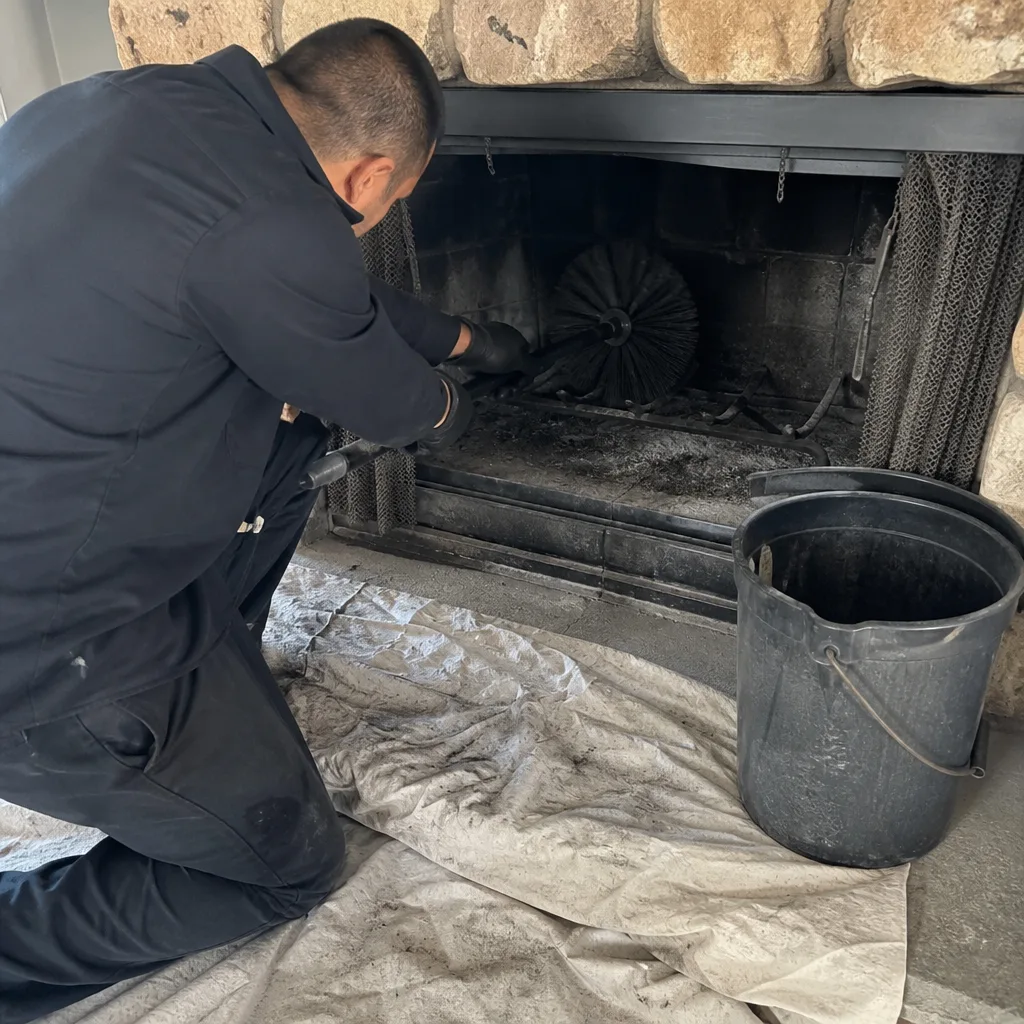
Last updated November 2, 2026
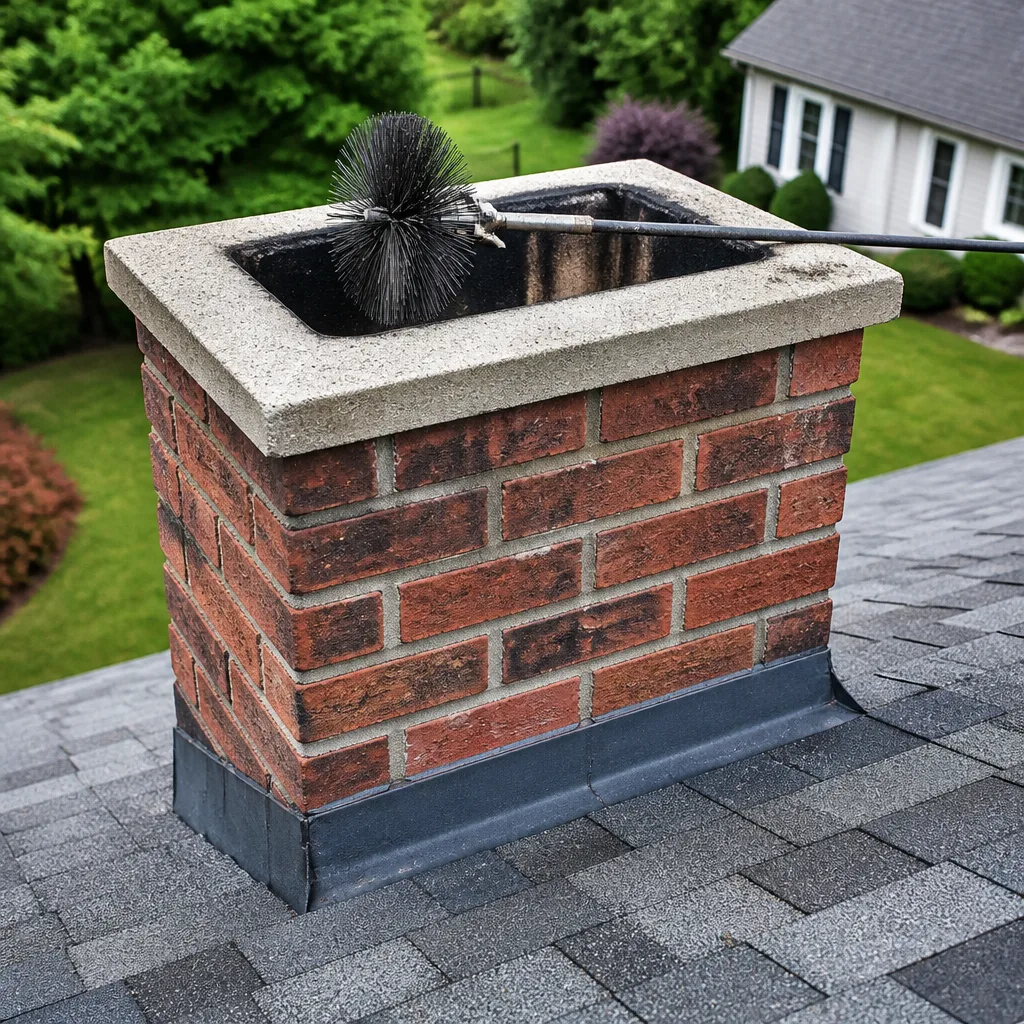 Sweep & inspection
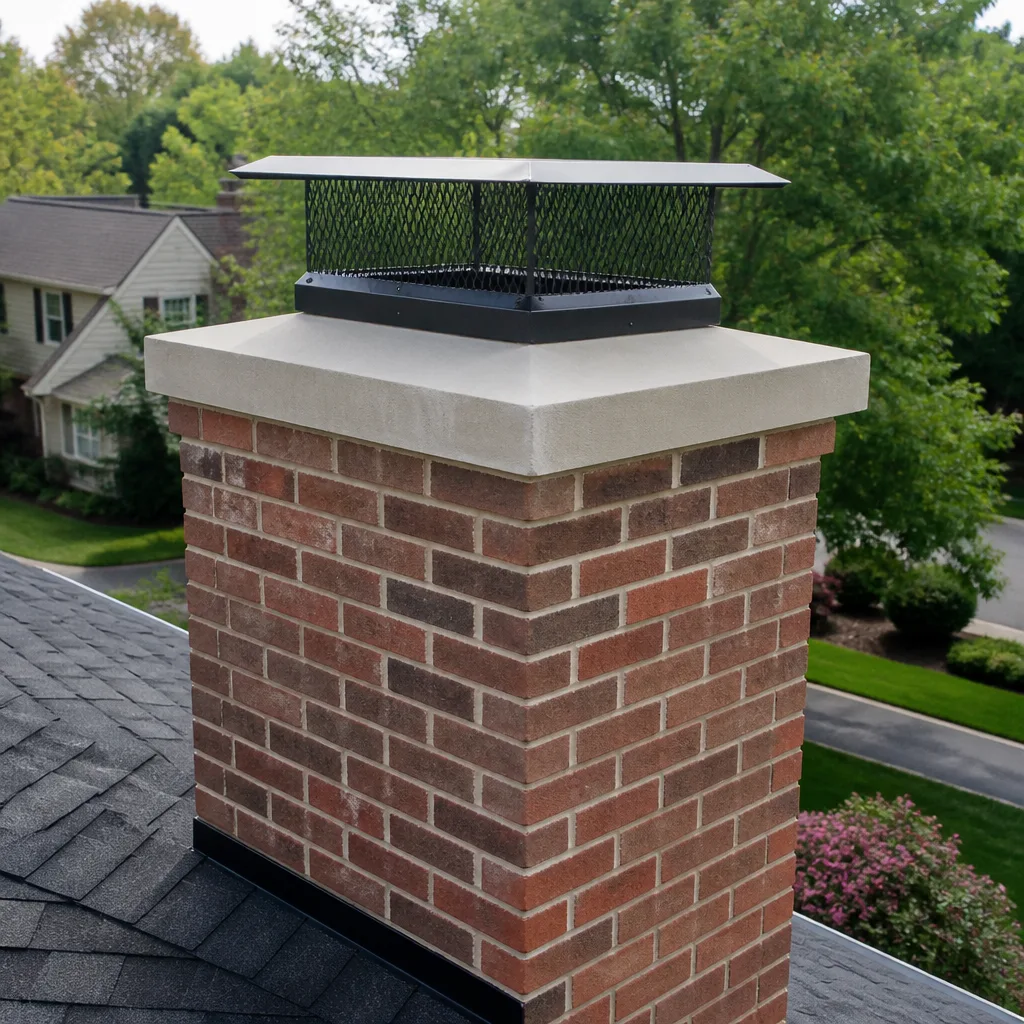 Caps & crowns
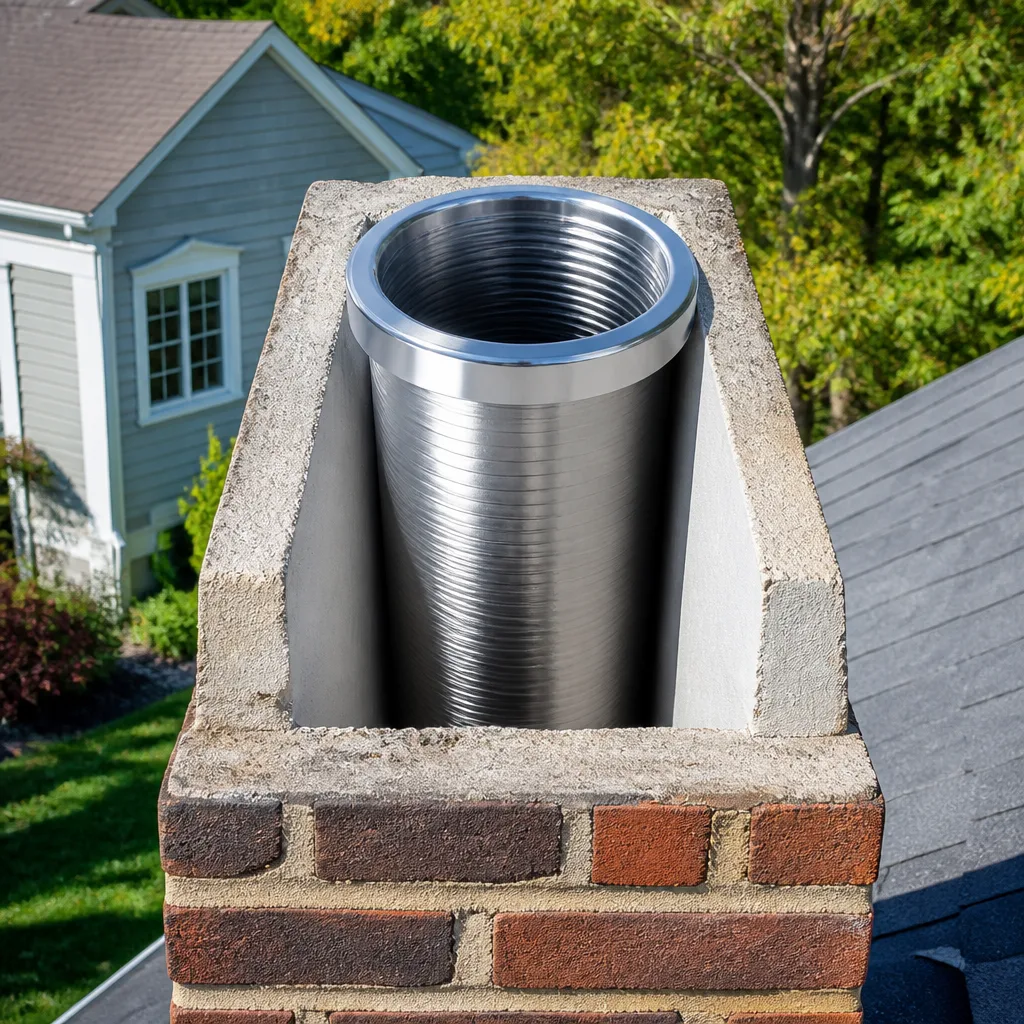 Flue relining
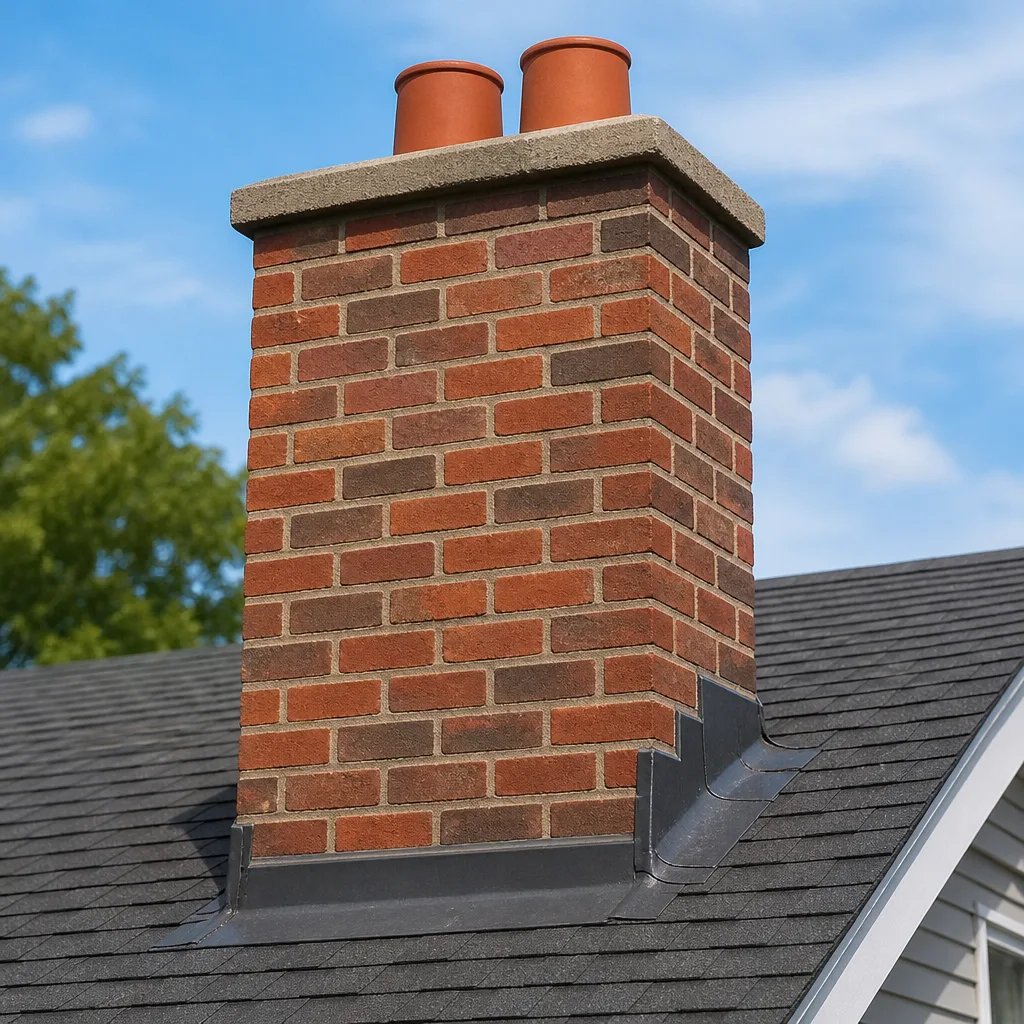 Masonry repair
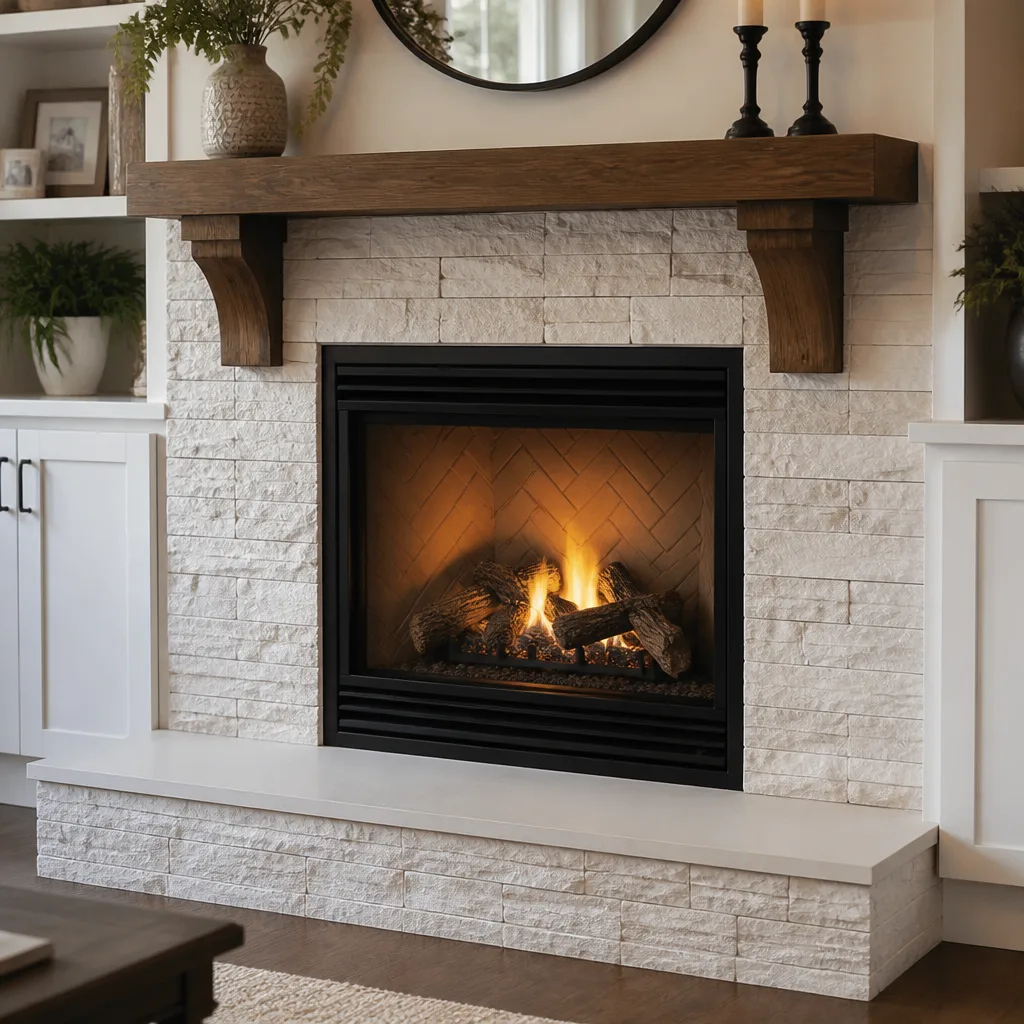 Gas fireplace service
Level 1 sweep and inspection to the NFPA 211 annual standard - flue, crown, cap, and flashing checked and photographed
Chimney sweep logs do not sweep chimneys. They loosen some creosote - which then falls where a brush and vacuum still have to collect it.
Chimney Sweep Troubleshooting: Common Problems and How to Fix Them
Here’s a counterintuitive truth most Sylmar homeowners discover the hard way: a chimney that “acts up” is almost never being temperamental. It’s sending a specific diagnostic signal about a specific failed component. The smoke rolling into your living room on a cold January evening isn’t a personality flaw in your fireplace. It’s a pressure problem, a geometry problem, or a mechanical failure. Misread that signal and you’ll either panic and pay for work you don’t need, or shrug it off and let a $300 repair turn into a $4,000 rebuild. This guide maps symptoms to mechanical causes so you stop guessing and start asking the right questions. We’ll cover what’s actually happening inside your flue when things go wrong, what you can safely monitor yourself, and which two problems demand same-week professional evaluation no matter what month it is.
Quick Answer
Chimney problems fall into four mechanical categories: airflow and draft issues, moisture intrusion, structural wear, and combustion byproduct buildup. Each produces distinct symptoms you can identify yourself. Most problems are repairable when caught early, but two specific conditions, a cracked flue liner or a persistent backdraft, require professional evaluation within a week because they present active fire and carbon monoxide risks.
Styles & brands we work with
- Sweep & inspection
- Caps & crowns
- Flue relining
- Masonry repair
- Gas fireplace service
Table of Contents
- Smoke Backdraft vs. Smoke Spillage: Two Different Problems, Two Different Fixes
- That Sulfur Smell After a Sweep: What It Means and What It Doesn’t
- Draws Fine in Fall, Terrible in Winter: The Damper Throat Sealing Problem
- Reading the Stains: What Your Firebox Is Telling You
- What to Monitor Between Services (and What to Call About Immediately)
- Creosote Buildup: The Three Stages and What Each One Requires
- Flue Liner Problems: The Repair Path Most Homeowners Never Hear About
Smoke Backdraft vs. Smoke Spillage: Two Different Problems, Two Different Fixes
When smoke enters your living room instead of going up the chimney, you’re seeing one of two distinct failure modes. Knowing which one you have determines whether you need a chimney cap adjustment or a full draft correction, and the repair costs differ by hundreds of dollars.
Smoke spillage happens when smoke enters the room at the fireplace opening, typically in thin wisps, right after you light a fire or when the fire dies down. The chimney is trying to draw, but it can’t overcome the room’s air pressure. Backdraft is more aggressive: smoke pushes into the room with force, often accompanied by a sudden shift in flame direction, and it happens even when the fire is burning hot and strong.
Here’s the simple test we teach Sylmar homeowners. Light a single page of newspaper and hold it near the fireplace opening.
- If the smoke curls gently into the room, you have spillage. The flue isn’t getting enough air, or the room is under negative pressure from exhaust fans, a competing HVAC return, or a tightly sealed house. Sylmar homes built after 1990 with dual-pane windows and weatherstripping are especially prone to this, because the house is tight enough that the fire competes with the water heater and furnace for combustion air.
- If the smoke pulls into the flue, the chimney is drawing, but something changes when you add a full fire. That points to a height-to-opening ratio problem, a partially obstructed flue, or a damper that isn’t opening fully.
- If the smoke pushes hard into the room, the pressure outside the house is driving air down the flue. This is classic backdraft, and brushing the chimney won’t fix it.
Backdraft fixes range from installing a draft-inducing chimney cap (we use Gelco and Famco caps, which are built for the wind patterns we get in the San Fernando Valley) to correcting the fireplace opening ratio if the firebox is oversized for the flue. Spillage fixes are usually less expensive: a top-sealing damper, a combustion air intake, or simply cracking a window near the fireplace to equalize pressure. The wrong guess sends you down an expensive path. The newspaper test costs nothing and tells you which road you’re on.
That Sulfur Smell After a Sweep: What It Means and What It Doesn’t
A sulfur or rotten egg odor after a chimney sweep is almost never gas. Most Sylmar homes with fireplaces use natural gas log lighters or gas starters, and the smell of mercaptan, the odorant added to natural gas, is unmistakable. But when the smell only appears after a sweep, it’s usually something else entirely: the sweep stirred up creosote residue that had been sitting inert inside the flue, and the chemical reaction between moisture and creosote deposits is releasing sulfur compounds. It’s unpleasant, but it’s not dangerous, and it typically dissipates within a week as the flue dries out.
What worries us more is the persistent musty odor that doesn’t go away and gets stronger on humid days or after rain. That smell indicates water is entering the flue and saturating the masonry or the liner insulation. In Sylmar’s climate, with our wet winters and dry, hot summers, cyclic moisture trapped in masonry accelerates deterioration in a way that homeowners in drier climates never experience. The moisture soaks in during rain season, expands the masonry as temperatures swing, and the flue develops hairline cracks that get worse every year.
These two smells point to completely different failure points. The sulfur smell is combustion residue reacting with moisture. The musty smell is a water intrusion problem. One needs time and ventilation. The other needs a chimney cap inspection, a crown seal evaluation, and possibly a moisture barrier application. If you smell sulfur, open a window and give it a week. If you smell must and it returns after every rain, call for a moisture intrusion assessment. The two problems have nothing in common beyond both being noticeable around a fireplace.
Draws Fine in Fall, Terrible in Winter: The Damper Throat Sealing Problem
A fireplace that draws well in September and October but struggles in December and January is one of the most misunderstood symptoms in chimney troubleshooting. Most homeowners assume it’s a flue sizing issue or a blockage. In our experience, it’s usually the damper throat, the metal frame the damper plate seats into, that has warped or corroded just enough to let cold air slip past when the damper is open. And the physics are surprisingly simple.
In fall, the temperature difference between the inside of the house and the outside air is moderate. The flue warms up quickly, the air inside rises, and the draft establishes itself. But in winter, the air outside a Sylmar home at 7 a.m. on a January morning can be 35 degrees. The flue is stone cold, the damper throat is leaking cold air around the edges, and the column of cold air inside the flue is heavy enough that warm air from the fire can’t push it out. The result: smoke spills into the room for the first 20 minutes of a fire, then suddenly draws fine once the flue finally warms up.
The fix is straightforward if you know where to look. A chimney professional checks three things:
- Damper plate alignment: Is the plate seating flat across the throat, or is there visible light around the edges when closed?
- Throat warping: Metal dampers warp from repeated heat cycling. A warped throat channel acts like a built-in air leak.
- Build-up on the seating surface: Creosote and soot accumulate on the damper seat, preventing a clean seal even when the mechanical function is fine.
If the damper throat is the culprit, a top-sealing damper is often the right answer. It seals at the top of the flue rather than at the firebox, which eliminates the cold air sink entirely. If the flue itself is genuinely undersized for a large firebox, that’s a different conversation about liner sizing. But nine times out of ten, when a chimney draws fine in fall and fights you in winter, the problem is the throat, not the flue.
Reading the Stains: What Your Firebox Is Telling You
Your firebox is a diagnostic canvas. Every stain pattern on its back wall and side walls is a record of something that happened inside the combustion chamber, and each pattern points to a different underlying issue. Learning to read these patterns can tell you whether you need a chimney sweep or a structural evaluation, and our Complete Chimney Sweep Guide for Sylmar Homeowners explains what to expect.
Black, puffy, tar-like stains on the firebox walls, especially near the top where the firebox meets the damper, indicate incomplete combustion. The fire is burning too cool or too small for the chamber, and the result is creosote condensing inside the firebox rather than being carried up the flue. This is a chimney usage issue. It usually means burning unseasoned wood, closing the damper too early, or building fires too small for the firebox. The fix is behavioral: burn hotter, drier wood and leave the damper open until the fire is fully out.
White, chalky stains that form vertical streaks down the firebox walls indicate moisture intrusion. Water is getting into the masonry above the firebox, running down the back wall, and leaving mineral deposits as it evaporates. These stains are common in Sylmar homes with cracked chimney crowns or missing rain caps. The fix is a crown repair or cap installation, not a cleaning.
Brown, rust-colored stains concentrated near the bottom of the firebox, often paired with flaking brick or deteriorating mortar joints, point to a cracked or failed flue liner. Combustion gases are leaking through the liner, condensing inside the chimney structure, and running back down into the firebox. This is the stain pattern that should concern you most, because it means the flue system has lost its integrity. A chimney sweep can remove the surface evidence, but the leak path remains, and no amount of brushing will restore a failed liner.
What to Monitor Between Services (and What to Call About Immediately)
You don’t need to be a chimney professional to keep an eye on your system between annual services. But knowing which observations matter and which ones mean “call this week” will save you money and keep your family safe. Here’s our honest breakdown.
Three Things to Monitor Between Sweeps
- The 20-minute draft test: Once a month during burning season, light a single piece of newspaper and hold it near the opening. If it draws within seconds, you’re good. If it takes 10 to 20 minutes to establish a draft, note the weather and the temperature, and mention it at your next routine service. This data helps professionals spot emerging damper problems before they strand you with a smoking fireplace in January.
- Firebox stain changes: Take a photo of your firebox once a season with your phone. Compare them over time. New white streaks that appear during the rainy months signal a moisture pathway that’s getting worse. New brown stains near the bottom signal liner deterioration. Neither needs an emergency visit if the fire is still drawing properly, but both should be reported.
- Damper handle resistance: If the handle gets progressively harder to move or develops a grinding feel, the metal is warping or the seating channel is corroding. You can keep using the fireplace, but flag it for repair at the next opportunity. Replacing a worn damper at your convenience costs far less than replacing one that fails mid-winter.
Two Issues That Require Same-Week Professional Evaluation
- Any evidence of a cracked or failed flue liner: Brown stains near the base of the firebox, crumbling flue tile material in the firebox, or a strong smoke smell in rooms far from the fireplace are all red flags. A cracked liner is a combustion gas leak waiting to happen. Carbon monoxide from a wood fire is odorless, and the symptom you’ll notice first is a dull headache or nausea, which most people chalk up to winter colds. This is not a monitor-and-wait situation.
- Consistent backdraft that does not respond to opening a window: If smoke pushes hard into the room on calm days with no wind, no competing exhaust fans, and a window cracked open, the problem is structural. It could be a partial blockage, an undersized flue, or a collapsed liner section. Every scenario requires inspection with a camera to confirm the cause. This is not a cleaning problem, and sending a brush up the flue will not fix it.
Sylmar homeowners who follow these monitoring habits catch most chimneys problems before they become expensive repairs. The chimney itself does the communicating. Your job is just to pay attention.
Creosote Buildup: The Three Stages and What Each One Requires
Creosote is the universal byproduct of wood combustion, but it doesn’t all behave the same way. The industry recognizes three stages of creosote, and the distinction matters, because each stage requires a different cleaning approach, and treating the wrong stage with the wrong method wastes your money and leaves dangerous deposits behind.
Stage 1 creosote is what most homeowners picture: a fine, flaky, gray or black dust that brushes off the flue walls with standard sweeping equipment. It forms from hot, efficient fires burning dry wood. A routine chimney sweep removes Stage 1 creosote easily, and this is the normal state of a well-maintained flue between annual cleanings.
Stage 2 creosote is a harder, tar-like glaze that forms when fires burn cooler or the wood contains more moisture. It appears as shiny black deposits that resist standard brushing and require rotary cleaning tools with wire or chain heads to break free. Stage 2 is common in Sylmar fireplaces used occasionally rather than daily, because the shorter burn cycles produce cooler, smokier fires that deposit thicker creosote layers.
Stage 3 creosote is the dangerous stage: a dense, hardened glaze that can resemble black glass and can only be removed with specialized chemical treatments or mechanical grinding. Stage 3 ignites at lower temperatures than Stage 1 or 2, making chimney fires more likely, and it typically requires multiple treatment visits to fully remove. Homeowners who burn unseasoned wood every winter, or who use the fireplace heavily without annual cleaning, are the ones who develop Stage 3 deposits.
Here’s the critical distinction: a standard chimney brush sweep removes Stage 1 and most Stage 2. Stage 3 requires a different protocol entirely, often pairing chemical creosote removers like those used in professional-grade products with rotary equipment. The chimney professional who shows up with only a brush does not have the right tools for Stage 3. If a technician quotes a sweep without first confirming what stage of creosote you’re dealing with, ask for clarification. The Chimney Sweep in Sylmar service starts every job with a camera inspection to identify the creosote stage and confirm the right cleaning method before any work begins.
Flue Liner Problems: The Repair Path Most Homeowners Never Hear About
When a flue liner cracks, deteriorates, or fails entirely, most homeowners assume the only option is a full chimney rebuild. That’s not true, and it’s one of the most expensive misconceptions in chimney repair. There are actually multiple repair paths, and the right one depends on the extent of the damage and the type of liner you have.
Minor spalling or surface deterioration on a clay tile liner can sometimes be addressed with a heat-resistant sealant application. The goal here is to smooth the flue surface and prevent further erosion, not to restore structural strength. This is a maintenance repair, not a structural solution, and it works only when the liner is otherwise sound.
Moderate deterioration with multiple cracked tiles but an intact chimney structure is a strong candidate for a resurfacing system like HeatShield. HeatShield is applied as a thin, structural coating that adheres to the existing liner, restoring a smooth, insulated flue surface without demolishing the chimney. The material is applied through an inflatable form from the bottom or the top of the chimney, curing to a level of structural integrity comparable to a new liner. For Sylmar homeowners with chimneys that are otherwise sound but showing liner wear, HeatShield application is often the difference between a $2,500 repair and a $12,000 rebuild. See our guide on Choosing the Right Chimney Cleaning Brand: A Buyer’s Guide for Sylmar for context on how we evaluate repair options.
Severe liner failure or a liner that has collapsed typically requires a new stainless steel liner. We install DuraFlex flexible liner systems, which are professional-grade products from Olympia Chimney, the same manufacturer that supplies the majority of U.S. chimney relining projects. A DuraFlex liner is not a hardware-store substitute. It’s a UL-listed stainless steel system designed for continuous wood and gas service, and it carries structural warranties that cheap liners can’t match.
The key insight is that liner failure exists on a spectrum. You don’t have to live with a dangerous chimney because you’re afraid of the rebuild cost, and you don’t have to spring for a rebuild when a less invasive repair would do. The right call starts with a camera inspection that shows you exactly what the liner looks like, not a verbal description from someone who couldn’t see it. Our Chimney Repair in Sylmar service always includes photographic documentation, because you should never approve a liner repair without seeing the evidence for yourself.
Common Mistakes to Avoid
- Assuming smoke means dirty flue. Smoke spillage is usually a pressure or damper problem, and a chimney sweep that cleans the flue without diagnosing the draft issue leaves you with the same smoking fireplace and a lighter wallet.
- Burning unseasoned wood to save money. Green wood produces cooler fires, heavier creosote deposits, and more Stage 2 and Stage 3 buildup, which means you’ll need more aggressive cleanings more often. The “savings” disappear by the second service visit.
- Closing the damper too early. Many Sylmar homeowners close the damper as soon as the flames die down, which traps warm, moist combustion gases in the flue and accelerates creosote formation. Leave the damper open until the coals are fully dead.
- Ignoring white stains because they’re “just cosmetic.” Mineral streaks on the firebox wall are moisture intrusion evidence, and the water that creates them is damaging the chimney from the inside. Cosmetic today, structural in five years.
- Using a standard sweep service that only brushes. A brush removes surface creosote, but it does not inspect for the mechanical and structural issues that actually cause most chimney problems. If the service doesn’t include a camera inspection, you’re paying for half a job.
- DIY chemical creosote removers as a substitute for sweeping. Chemical logs and powders are supplemental treatments for Stage 1 and mild Stage 2 creosote. They do not replace mechanical cleaning, and they cannot remove Stage 3 deposits. Using them instead of a professional sweep is a false economy that leaves a fire hazard in place.
See the difference
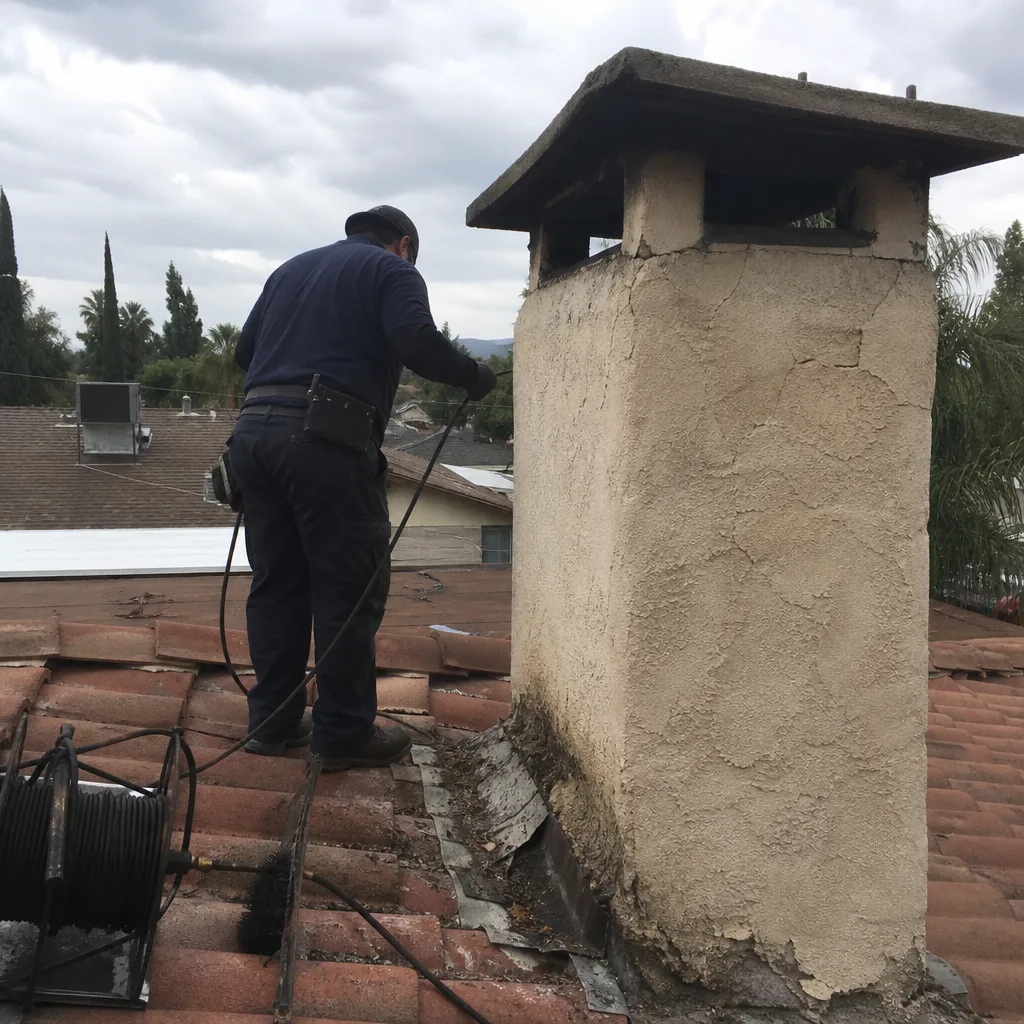 Before
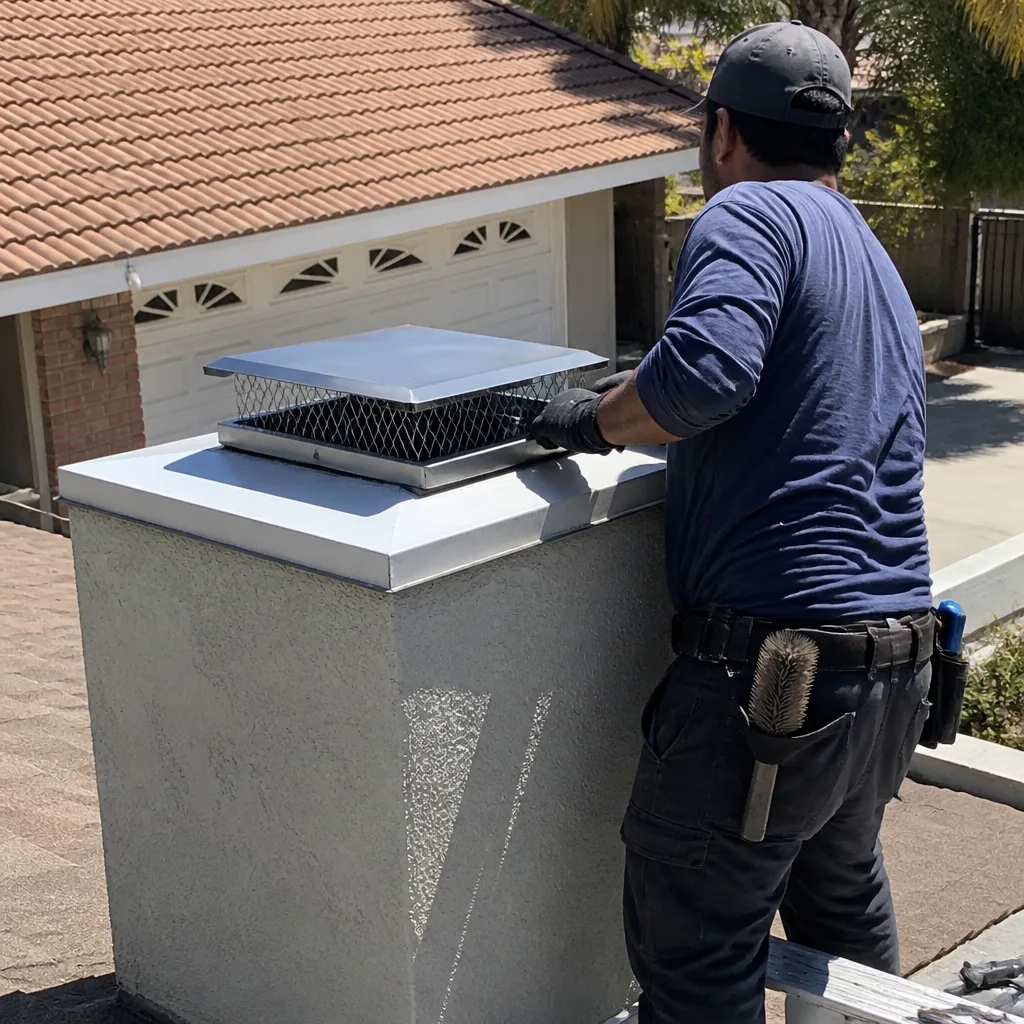 After
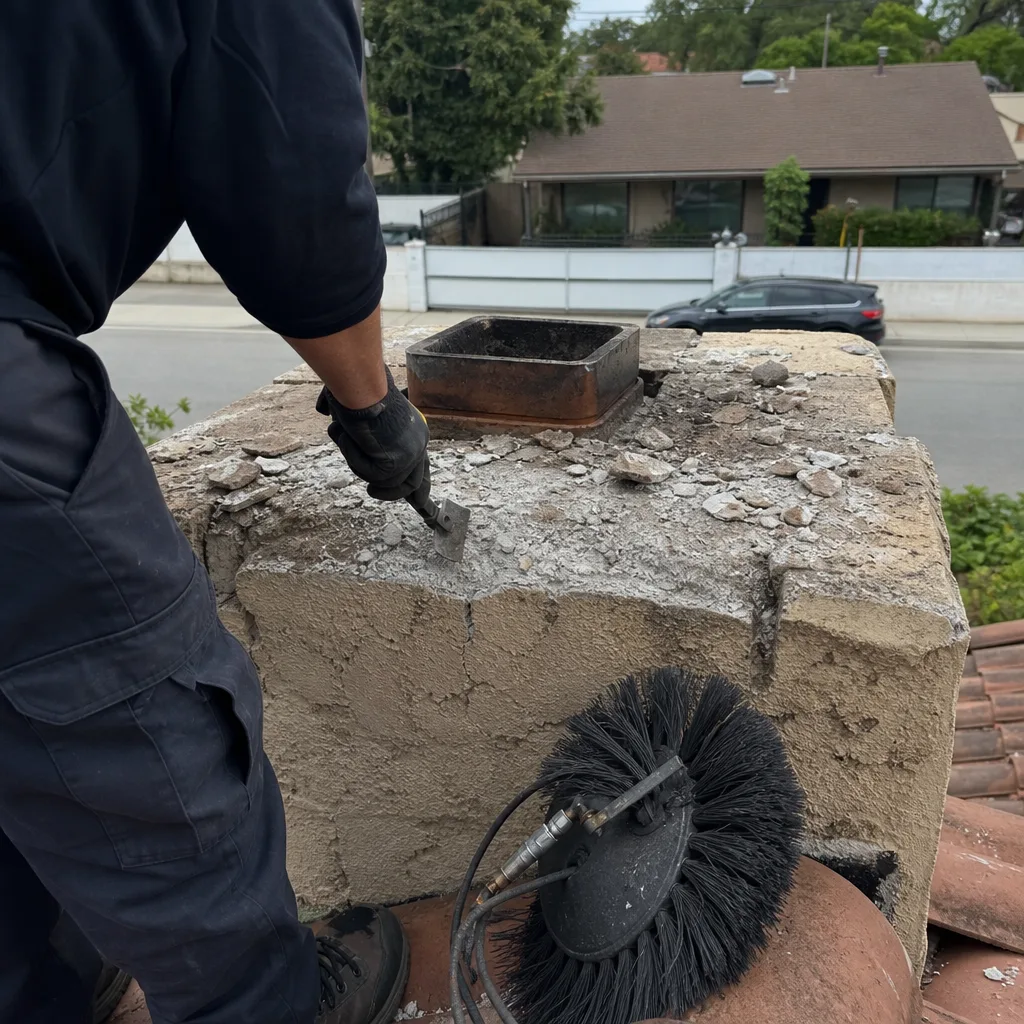 Before
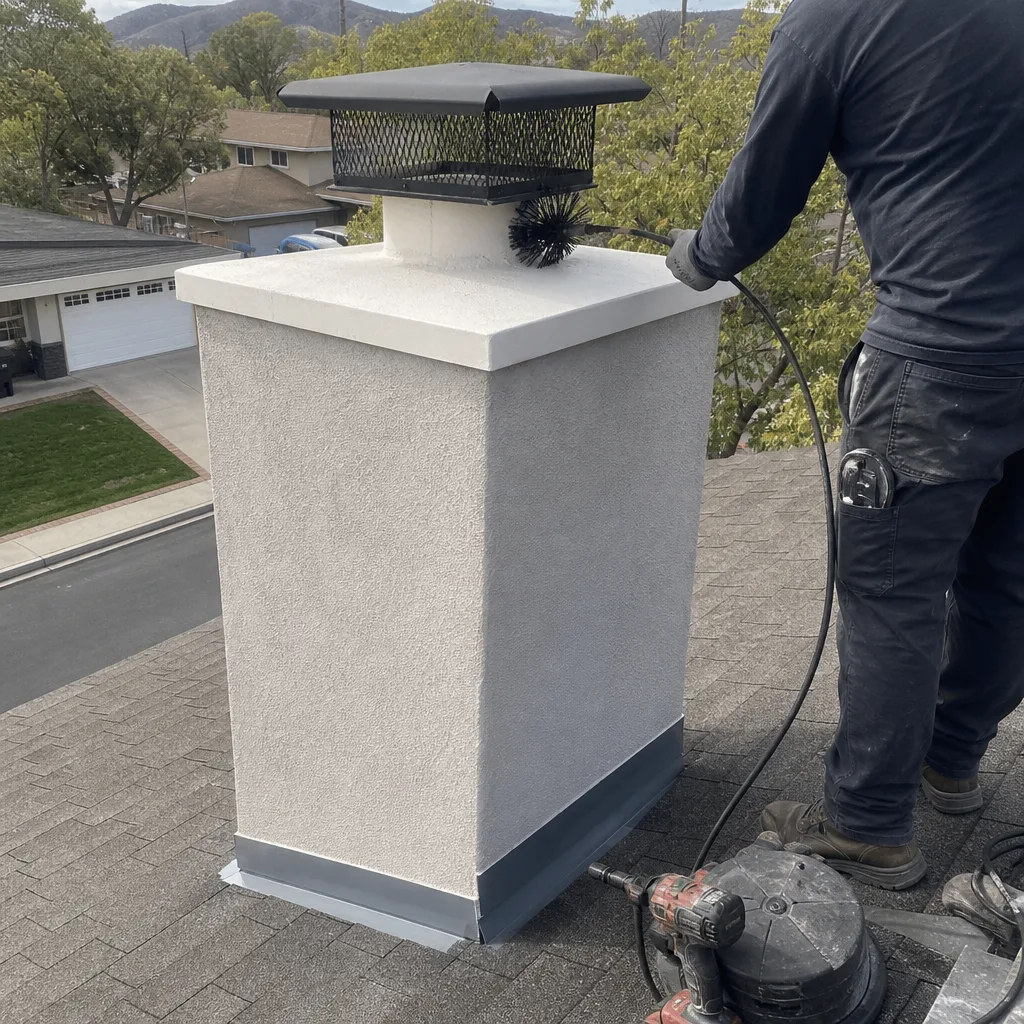 After
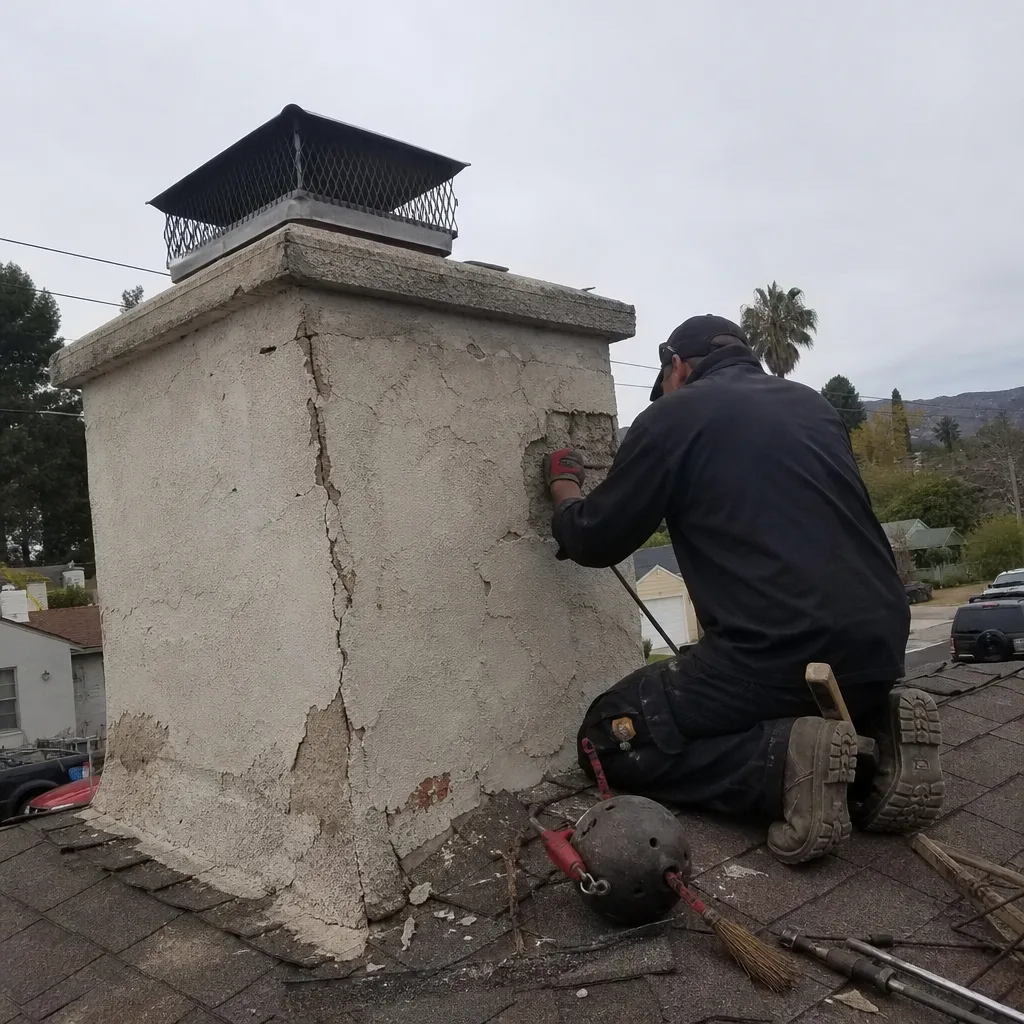 Before
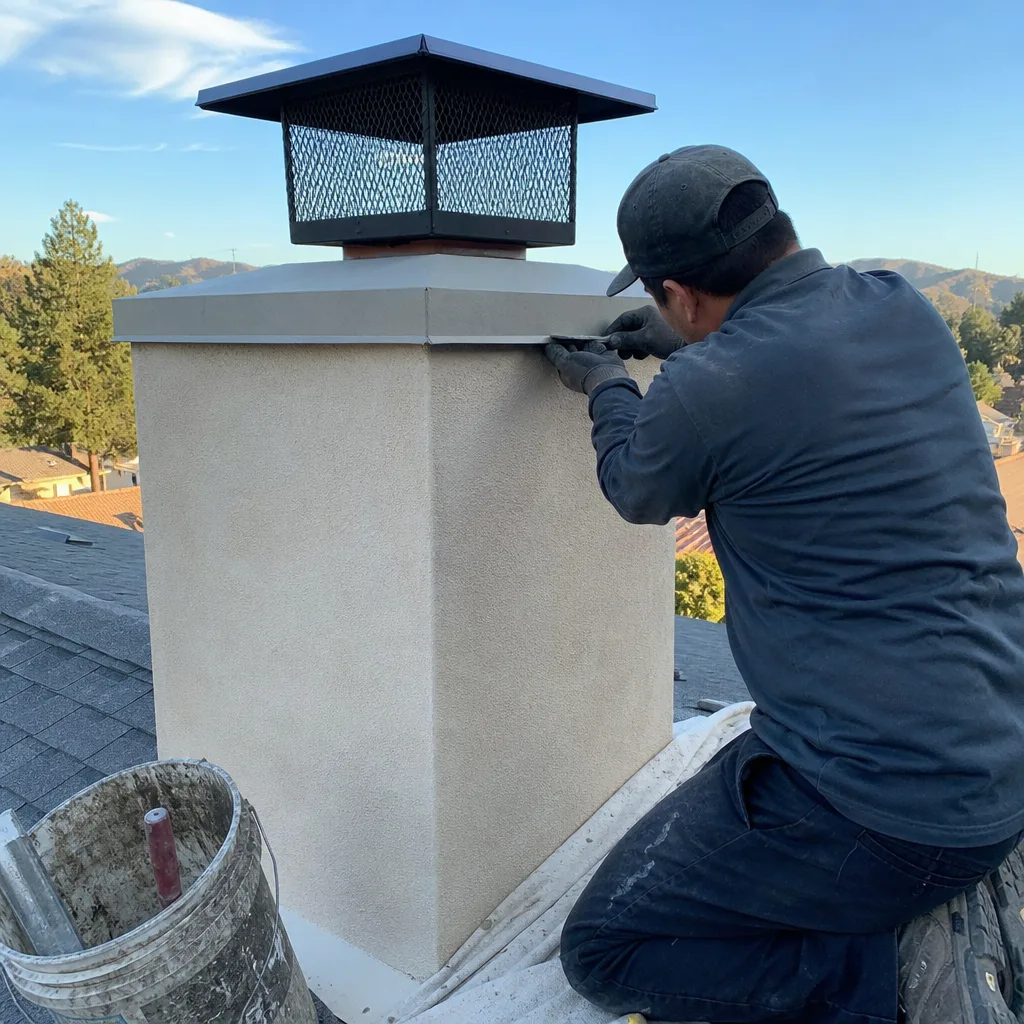 After
When to Call a Professional
You need a professional when the problem involves structural integrity, combustion gas containment, or draft physics that can’t be fixed with a damper adjustment. That means any evidence of a failed liner, any backdraft that persists after ruling out pressure causes, any moisture intrusion pattern that suggests water is entering the masonry, or any Stage 3 creosote deposit. You also need a professional when the only way to diagnose the problem is a camera inspection you can’t do yourself. Chimney systems are not forgiving of guesswork. Chimney Sweep Sylmar home offers free estimates in Sylmar, and our diagnostic process is camera-first. If you’re seeing something that doesn’t make sense, call (833) 620-0634. The evaluation is free.
Frequently Asked Questions
A standard chimney sweep in Sylmar typically costs between $150 and $300, depending on the creosote stage, flue type, and whether any additional services are needed. If a camera inspection reveals Stage 3 creosote or structural issues, the scope and price adjust accordingly. Call (833) 620-0634 for a free estimate.
The National Fire Protection Association recommends a chimney inspection and sweep whenever creosote buildup reaches 1/8 inch, which for most households translates to once per year if you burn regularly. If you burn less than a cord of wood per season, every two years may be sufficient, but an annual inspection is still wise because moisture and structural issues develop even without heavy use.
Cold-start smoke spillage is almost always a draft establishment problem: the flue is too cold, the damper throat is leaking cold air, or the room is under negative pressure. The flue needs to warm up before the draft can overcome the cold air column inside the chimney. If opening a window and opening the damper fully doesn’t fix it within 10 minutes, the damper throat or flue sizing should be evaluated.
A responsible chimney professional will never recommend a liner replacement or resurfacing without showing you camera evidence of the damage. If you’re being told you need a new liner and you weren’t shown footage of cracked, spalled, or deteriorated liner tiles, ask to see the video. Legitimate liner failure is visible, documentable, and explainable. We don’t recommend HeatShield or DuraFlex work unless the camera shows clear justification, and you’ll see the images yourself before any proposal is made.
Creosote accumulates in stages, and each stage increases the probability of a chimney fire. Stage 1 buildup is easily managed. Stage 2 is denser and harder to remove. Stage 3 becomes a hardened glaze that ignites at lower temperatures and requires specialized treatment. A chimney fire inside your flue can reach temperatures over 2,000 degrees Fahrenheit, which is enough to crack tiles, compromise mortar joints, and create combustion gas leaks into the home. Skipping sweeps doesn’t just make the cleaning more expensive later. It actively increases fire risk.
Yes, gas fireplaces and gas log sets produce combustion byproducts that build up inside the flue over time, even though the volume is lower than a wood fire. Gas flues also develop blockages from debris, bird nests, and deteriorated components. A gas chimney should be inspected and serviced regularly, though less frequently than a wood-burning flue. Our Dryer Vent Cleaning in Sylmar service covers the other major combustion exhaust system in most homes, and we routinely handle both in a single visit.
The Bottom Line
Your chimney sends clear diagnostic signals about what’s failing and why. Smoke that curls into the room means pressure. Smoke that pushes hard means backdraft. White stains mean water. Brown stains mean liner. Sulfur smells mean creosote chemistry. Musty smells mean moisture intrusion. Each symptom maps to a mechanical cause, and each cause has a specific repair path that may not be what you assume. The difference between a $300 fix and a $12,000 rebuild is often just the quality of the diagnosis you get before anyone starts working. If you’re seeing something you can’t explain, get a camera-first inspection in Sylmar, or browse our more guides & resources to learn more. You’ll know exactly what you’re dealing with, and you’ll know whether it can wait or needs action this week.
Written by the team at Chimney Sweep Sylmar, serving Sylmar since 2013.