
Last updated November 3, 2026
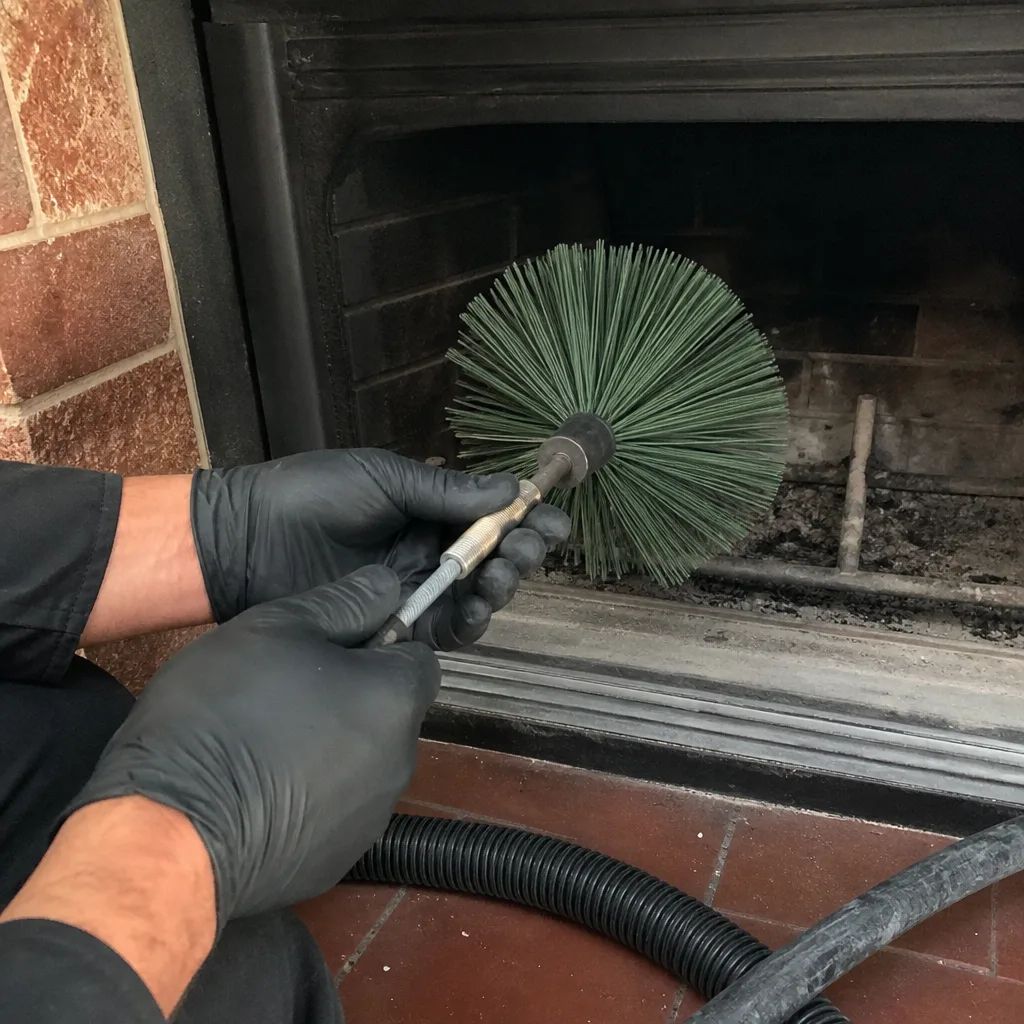
 Sweep & inspection
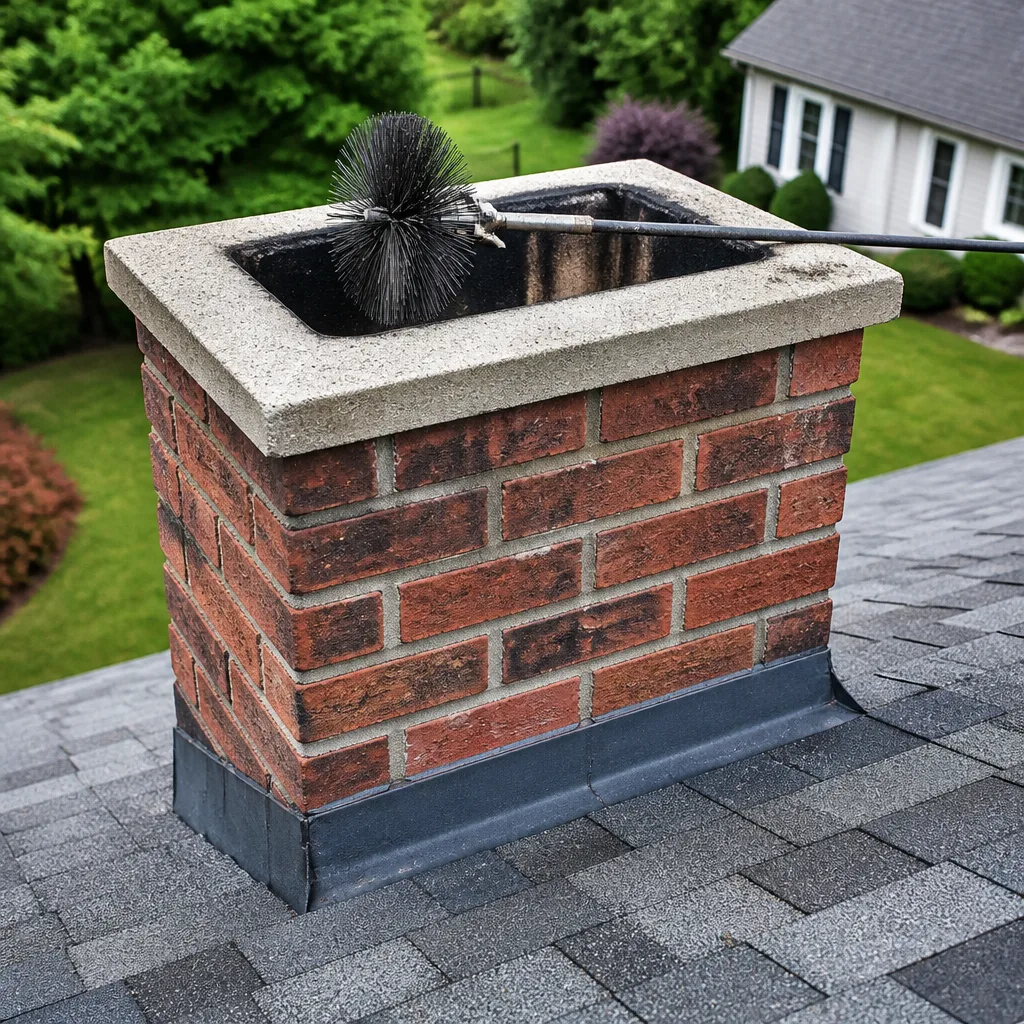
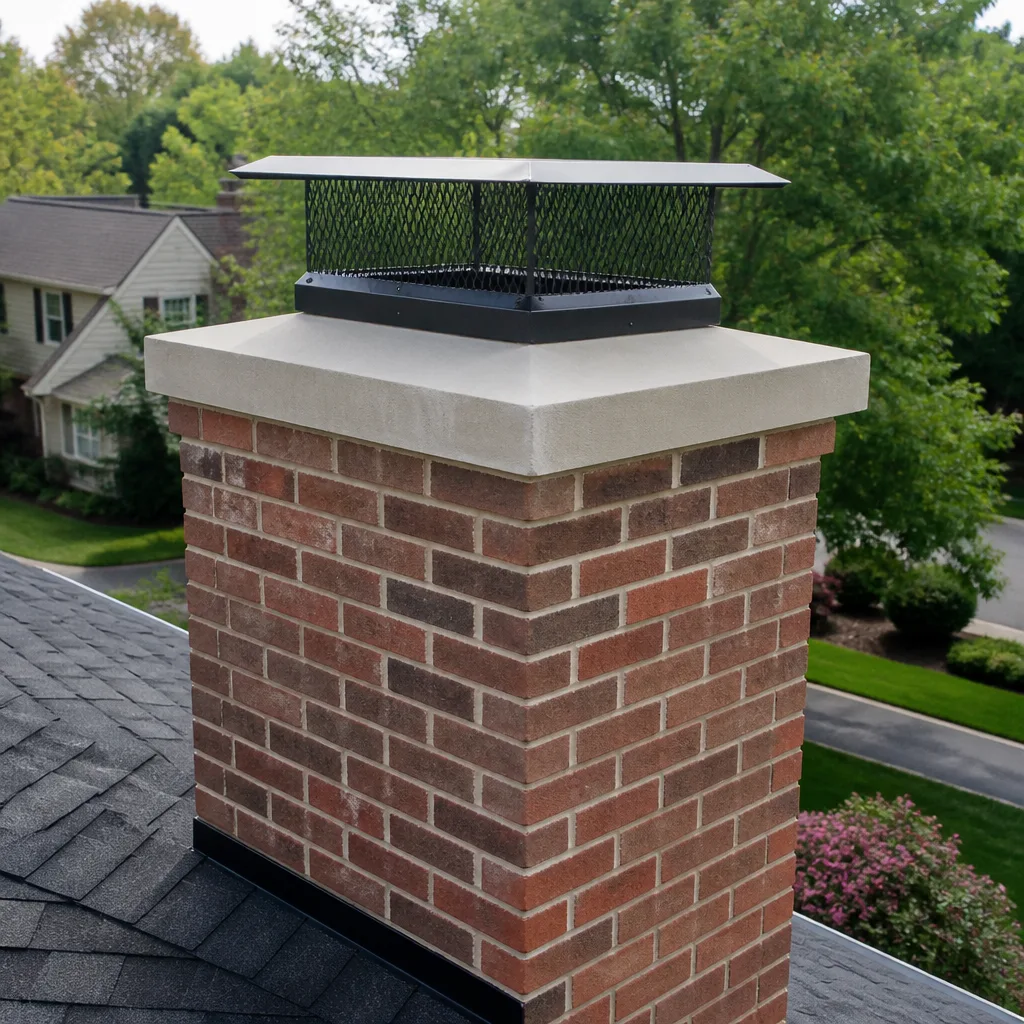 Caps & crowns
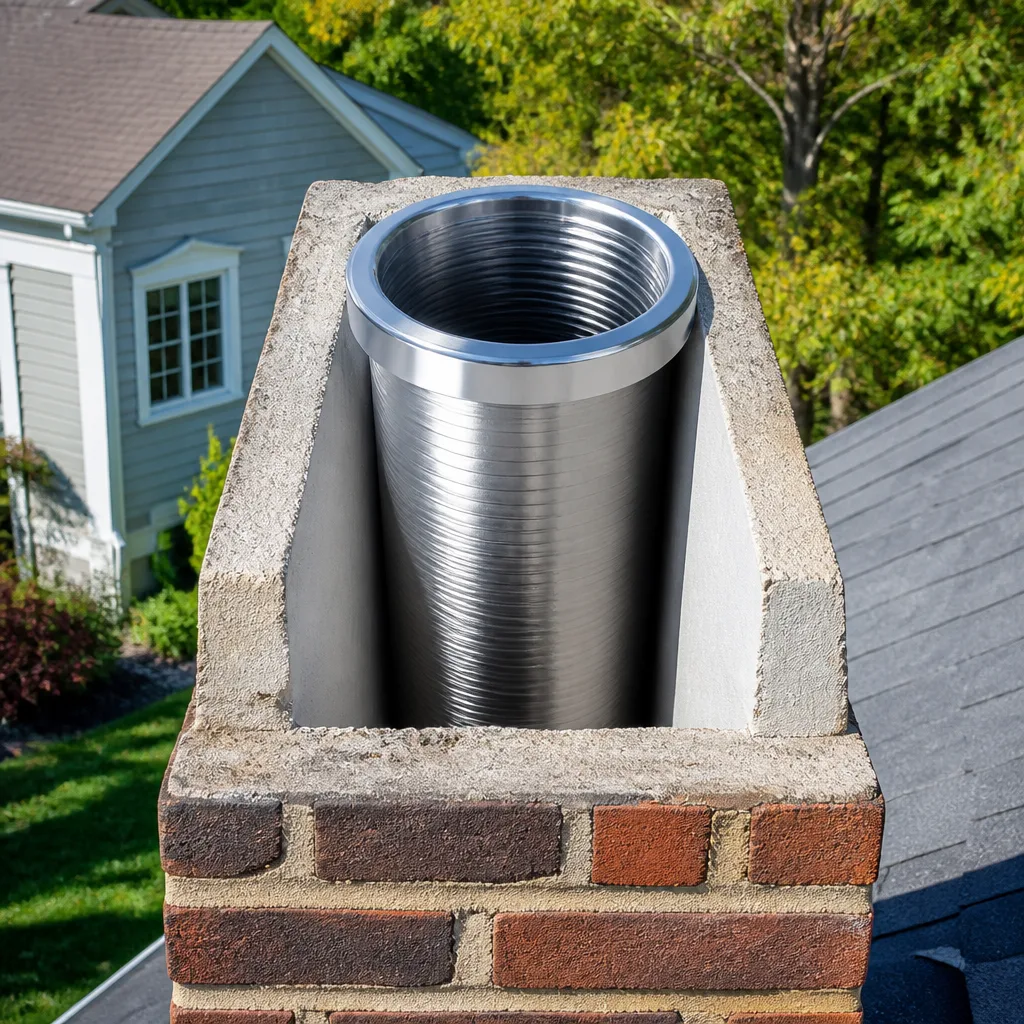 Flue relining
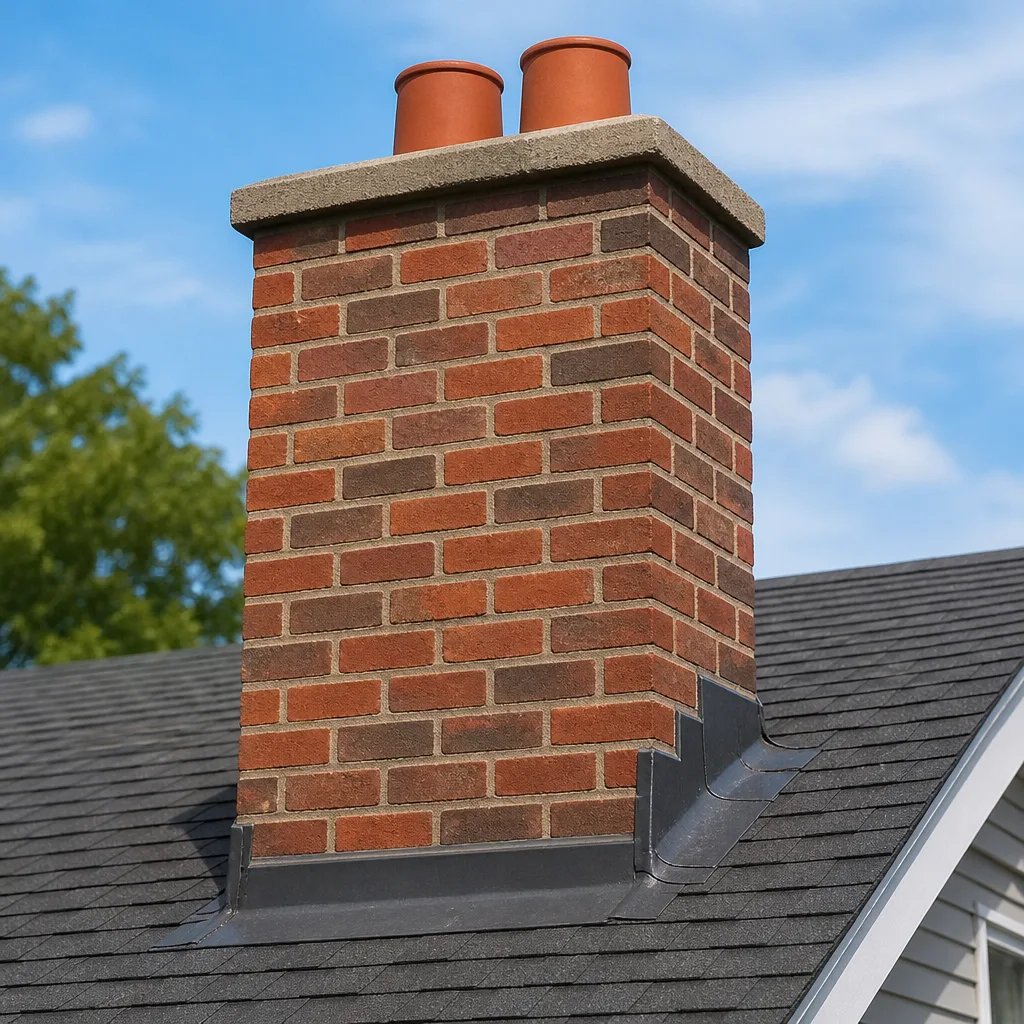 Masonry repair
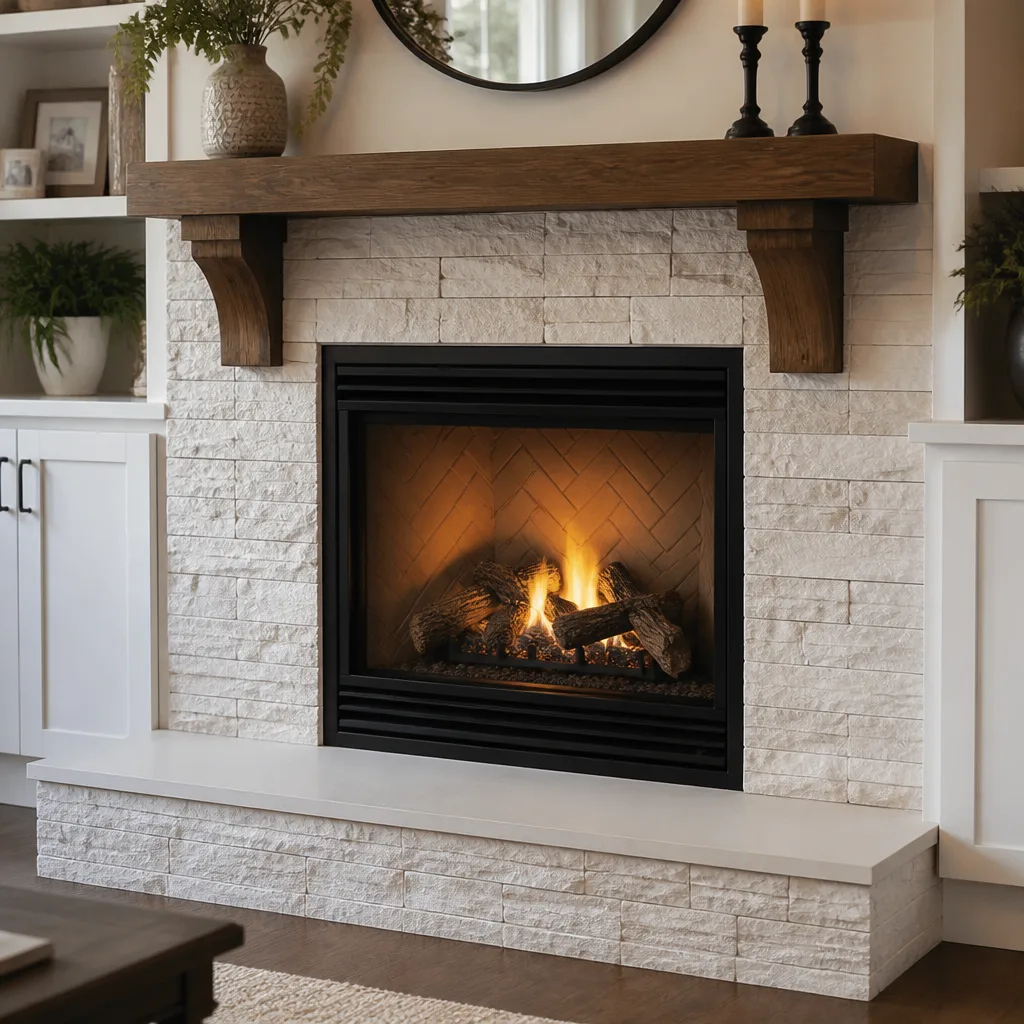 Gas fireplace service
Level 1 sweep and inspection to the NFPA 211 annual standard - flue, crown, cap, and flashing checked and photographed
Chimney sweep logs do not sweep chimneys. They loosen some creosote - which then falls where a brush and vacuum still have to collect it.
Choosing the Right Chimney Cleaning Brand: A Buyer’s Guide for Sylmar
Here’s something most Sylmar homeowners don’t realize until it’s too late: the single biggest variable in a chimney repair isn’t the contractor’s labor. It’s the materials that contractor chooses to install. When a chimney sweep replaces your liner, the difference between a product from a manufacturer like DuraFlex or Copperfield and a generic alternative isn’t just quality. It’s whether the component carries a UL listing your insurance company will recognize if something goes wrong. Our Complete Chimney Sweep Guide for Sylmar Homeowners builds on this to help you evaluate chimney product brands the way a trained technician does, so you can tell the difference between a professional-grade repair and an expensive shortcut.
Styles & brands we work with
- Sweep & inspection
- Caps & crowns
- Flue relining
- Masonry repair
- Gas fireplace service
Quick Answer
The right chimney cleaning brand isn’t a single name. It’s a portfolio of professional-grade manufacturers, each with a specific job: DuraFlex and Copperfield for liners and structural components, HeatShield and Gelco for flue resurfacing and sealing, and Olympia Chimney and Famco for caps, dampers, and venting. In Sylmar, choose a contractor who names their brands specifically, installs UL-listed materials, and backs repair work with manufacturer documentation. Anything vague about “professional grade” is a red flag.
Table of Contents
- Why Brand Names Matter More Than You Think
- Professional-Grade vs. Consumer-Grade: The Spec Differences
- UL Listings and Your Insurance: What Sylmar Homeowners Need to Know
- The Leading Brands by Category: Liners, Sealants, Caps, and Dampers
- Prevention Products vs. Structural Repair Systems: Why the Difference Matters
- How to Verify What Your Contractor Actually Installs
- Manufacturer-Backed vs. Contractor-Backed Warranties
- Common Mistakes to Avoid
- When to Call a Professional
- Frequently Asked Questions
- The Bottom Line
Why Brand Names Matter More Than You Think
When a chimney sweep in Sylmar quotes you $3,500 for a liner replacement, most of that money goes into the product itself. A stainless steel liner from an established manufacturer costs hundreds of dollars more than an unlisted import. Contractors know this. And the ones who cut corners know that most homeowners can’t tell the difference between a $600 liner and a $200 one once it’s hidden inside the flue.
That’s exactly why brand names matter. They’re one of the few verifiable signals a homeowner has. You can’t easily inspect the weld quality on a liner after installation. You can’t test the adhesion of a flue sealant a year later without a camera. But you can ask your contractor which manufacturers they source from, and the answer tells you a lot about their supply chain and their standards.
In our experience working on chimneys across Sylmar, the contractors who specify brands like Copperfield or Famco are the same ones who pull permits, carry proper insurance, and document their work with photos. The contractors who say “we use whatever’s available” are the ones we end up fixing things for later.
There’s a practical reason for this. Professional chimney supply houses carry a limited roster of manufacturers. These brands have technical support lines, published installation specs, and warranties that are actually enforced. Big-box retail and general hardware suppliers stock a different tier of product, often built to a price point rather than a performance standard. A contractor’s answer to the brand question reveals which supply channel they’re buying from.
Professional-Grade vs. Consumer-Grade: The Spec Differences
To ask good questions, you need to know what separates a professional chimney product from a consumer one. It’s not always visible, and it’s rarely explained on the packaging you’d see at a hardware store. Our Complete Guide to Chimney Cleaning in Sylmar covers the specifications technicians actually check.
- UL listing and testing: Professional liners, caps, and dampers carry UL (Underwriters Laboratories) listings tied to specific test standards, like UL 1777 for chimney liners. Consumer products often say “UL approved” without a listing number, which is meaningless. A real listing is verifiable in the UL database.
- Material grade and thickness: Professional-grade stainless steel liners use 316L alloy, which resists the acidic condensation produced by gas appliances. Consumer-grade alternatives often use 304 or unspecified alloys that corrode faster in Sylmar’s temperature swings.
- Temperature rating: Professional components are rated for continuous exposure to specific flue gas temperatures, usually 1,000°F or higher for wood-burning applications. Consumer substitutes may not publish temperature tolerances at all.
- Fitment tolerances: A professionally manufactured damper or cap is machined to fit standard flue dimensions with little slop. Cheap alternatives rely on caulk and adapters, which fail at the seams within a few seasons.
- Documentation: Professional brands publish installation manuals, spec sheets, and warranty registration forms. Consumer products often ship with a one-page instruction sheet and no manufacturer contact information.
The practical upshot: a liner that costs 30% less at purchase often costs three times more over its lifespan once you factor in early failure, the labor to replace it, and the uninsured risk of running an unlisted component. For Sylmar homes, where wood-burning fireplaces are a primary heat source for many families during the colder San Fernando Valley nights, that’s not a theoretical difference.
UL Listings and Your Insurance: What Sylmar Homeowners Need to Know
Here’s the part most contractors won’t explain, because it’s uncomfortable to talk about. If your chimney causes a house fire, your insurance company will investigate the installation. If the liner or component that failed was not UL-listed, the insurer may deny the claim based on non-compliant materials. It doesn’t matter that you hired a licensed contractor. It doesn’t matter that you didn’t know. The absence of a recognized listing is grounds for denial in many policies.
This happens more often than you’d think in Southern California. Sylmar sits in a high-fire-risk zone. Insurance carriers here are already cautious. When they find an unlisted liner in the fire investigation report, they have a documented reason to reduce or reject the claim. A UL listing isn’t a guarantee against defects, but it shifts the liability to a tested product and a manufacturer with deep pockets, rather than leaving you holding a homeowner’s policy with an exclusion.
So how do you verify a contractor is installing listed materials? It’s straightforward, and here are the steps:
- Ask for the exact manufacturer and product name of the liner, damper, or cap they plan to install.
- Ask for the UL listing number. Professional contractors can provide this from the spec sheet.
- Go to UL’s Product iQ database online and enter the listing number. Confirm the product matches what’s on the quote.
- Ask for documentation after installation: a spec sheet, a photo of the product label before it went into the flue, and the manufacturer’s warranty registration.
A contractor who hesitates at step 2 is telling you something. In our experience, the contractors who install unlisted substitutes are counting on the fact that you’ll never look. Don’t let your chimney be the place where that gamble plays out.
The Leading Brands by Category: Liners, Sealants, Caps, and Dampers
Chimney product brands aren’t interchangeable. Each category of component has a few manufacturers that dominate professional supply chains. Knowing these names lets you evaluate a contractor’s quote the way a technician would.
Liners: DuraFlex and Copperfield
DuraFlex is a flexible stainless steel liner system used widely in relining applications. It’s specified for wood-burning and gas applications, comes in both 316L and aluminum formulations, and is known for being straightforward to install correctly. The brand carries UL listings for multiple appliance classes, which matters for reasons we’ve already covered.
Copperfield makes a broad range of chimney components, from liners to caps, and is one of the brands you’ll see stocked at professional supply houses rather than big-box stores. When a contractor specifies Copperfield parts, you’re generally looking at someone who buys through a dedicated chimney supply channel.
Flue Resurfacing: HeatShield and Gelco
HeatShield is a ceramic-based flue resurfacing system used to repair deteriorating clay tile liners without full demolition. It’s applied as a cerfractory coating that restores a smooth, insulated surface inside the flue. For Sylmar homes with older masonry chimneys, this can be a cost-saving alternative to liner replacement. A contractor who offers HeatShield has invested in specialized training and equipment, which is a meaningful signal.
Gelco produces sealants and coatings used in chimney repair applications. In a full-system approach, Gelco products handle sealing and adhesion work that a sweep-only contractor never touches.
Caps, Dampers, and Venting: Olympia Chimney and Famco
Olympia Chimney is a professional brand for chimney caps, rain covers, and venting components. Famco makes dampers and venting products used in residential chimney work. Both are brands sourced primarily by licensed chimney professionals. If your quote specifies these, you’re working with someone who orders from a chimney supply house, not a general hardware catalog.
Prevention Products vs. Structural Repair Systems: Why the Difference Matters
There are two distinct categories of chimney products, and most homeowners don’t know the line exists. Understanding it changes how you evaluate a contractor.
Prevention and maintenance products include creosote treatments, chimney caps, rain covers, and basic dampers. These products slow deterioration, keep water out, and reduce creosote buildup. They’re important, but they don’t restore structural function to a chimney that has already deteriorated. Many sweep-only companies offer these.
Structural repair systems include liners, flue resurfacing materials, and masonry repair products. These restore the chimney’s ability to contain combustion gases and withstand heat. Installing them requires equipment, training, and product access that goes well beyond what a sweep-only operation carries, which is why we explored DIY vs Professional Chimney Cleaning: The Sylmar Homeowner’s Decision Guide in depth.
Why does this distinction matter for Sylmar homeowners? Because the San Fernando Valley’s hot, dry summers and cooler, damp winters create a freeze-thaw cycle that’s hard on masonry. Chimneys here develop flue deterioration earlier than you’d expect. A contractor who can clean your chimney but not repair what the camera inspection reveals is only doing half the job.
A full-system contractor can do both: apply a creosote treatment during the annual sweep, install a Copperfield cap to keep water out, and tell you whether the flue needs HeatShield resurfacing or a DuraFlex liner. That’s the difference between maintaining a chimney and managing its full service life.
How to Verify What Your Contractor Actually Installs
Asking the right questions up front prevents most problems. But verification shouldn’t end when the quote is signed. Here’s a practical process for Sylmar homeowners to confirm they’re getting what they paid for:
- Get brand names in writing on the quote. “Stainless steel liner” is not enough. Require the manufacturer and product line, like “DuraFlex 316L liner” or “Copperfield cap, model number.”
- Ask to see the product before installation. Professional products arrive in branded packaging with spec sheets and labels. If the tech shows up with an unmarked box, stop the job.
- Request a photo of the product label. Every listed liner and cap carries a manufacturer label with the UL listing number. A reputable contractor will photograph this for their records and share it with you.
- Run the UL listing number through Product iQ. Confirm the product matches the quote. This takes five minutes and closes the most common loophole.
- Get a post-installation camera scan. For liners specifically, a camera inspection after installation confirms the liner is seated correctly, properly terminated at the top, and connected to the appliance at the bottom. We include this as standard practice.
If a contractor resists any of these steps, find a different contractor. The cost of a failed or unlisted liner far outweighs the convenience of skipping verification.
Manufacturer-Backed vs. Contractor-Backed Warranties
Warranties are where product brands and contractor quality intersect. A manufacturer-backed warranty comes from the product company, covers the component itself, and remains valid even if the installing contractor goes out of business. A contractor-backed warranty is only as good as the contractor’s continued existence and willingness to honor it.
Professional chimney brands like DuraFlex and Copperfield offer warranty terms tied to the product line, often 10 years to lifetime depending on the application. The warranty is registered to the homeowner, not the contractor, and requires documentation of proper installation. Here’s how to make sure a warranty actually protects you:
- Ask for the manufacturer warranty registration form. The contractor should fill it out with your information and the product serial or lot number.
- Confirm the warranty period in writing. If the quote says “warranty included” without a term, ask for the number of years and the manufacturer’s name.
- Keep the installation photos and spec sheets. These are your proof of proper installation if you ever need to file a claim.
- Understand what’s covered. Most manufacturer warranties cover product defects, not labor. Ask whether the contractor stands behind their installation labor separately.
A contractor who installs professional brands and handles warranty paperwork properly is signaling a long-term business, not a truck and a brush. That’s the kind of operation you want working on the chimney that vents fire through the middle of your Sylmar home.
Common Mistakes to Avoid
- Accepting “professional grade” as an answer. That phrase means nothing without a manufacturer name. Require brand names and model numbers on every quote in Sylmar.
- Choosing a contractor on price alone. A liner quote that’s 40% lower than others is almost always an unlisted import or a contractor skipping verification steps. The savings never survives the first insurance review or early failure.
- Skipping the UL listing check. Five minutes in the UL Product iQ database can save you from an insurance claim denial after a fire. Most Sylmar homeowners never do this, and contractors know it.
- Assuming all stainless steel liners are the same. 304 and 316L alloys perform differently under gas condensation. The wrong alloy corrodes in half the time, especially with Sylmar’s seasonal temperature swings.
- Not asking for post-installation camera proof. A liner seated incorrectly or not terminated at the top is worse than no liner at all. Demand a camera scan and keep the images.
- Treating cleaning and repair as separate scopes. A sweep that doesn’t include a camera inspection misses structural issues. A repair that doesn’t include a sweep leaves creosote behind. They belong in the same visit.
- Overlooking dryer vents. A home’s combustion safety includes the dryer exhaust. We regularly clean dryer vents in Sylmar alongside chimney work, because lint fires are among the most common residential fires in the Valley.
When to Call a Professional
Call a professional whenever a chimney hasn’t been inspected in the past two years, even if you haven’t used the fireplace much. Birds, debris, and moisture cause deterioration whether or not you burn regularly. You should also call if you notice smoke backing into the room, a persistent odor from the fireplace even when it’s not in use, flaking or staining on the exterior masonry, or visible rust on the cap or damper. If you’ve just moved into a Sylmar home, get a chimney inspection before your first burn. You don’t know what the previous owner left in the flue.
Chimney Sweep Sylmar offers free estimates for chimney sweeping, repair, and dryer vent cleaning in Sylmar and the surrounding San Fernando Valley. Call (833) 620-0634 to schedule an inspection.
Frequently Asked Questions
A standard chimney sweep in Sylmar typically costs between $150 and $300 depending on chimney height and condition. A full inspection with camera scanning may cost $250 to $400. If the sweep reveals repair needs, those costs are quoted separately. Call (833) 620-0634 for a free estimate based on your chimney’s size and condition.
Yes, a cracked liner needs repair or replacement before you burn again, because cracks allow heat and combustion gases to reach combustible framing. The good news is that not every cracked liner requires full replacement. Options like chimney repair in Sylmar using HeatShield resurfacing can restore a deteriorating tile liner without demolition, and it’s significantly less expensive than a full reline.
The National Fire Protection Association recommends sweeping any chimney when creosote buildup reaches 1/8 inch, which for most active wood-burning fireplaces means annually. Gas appliance chimneys can go longer between sweeps but still need annual inspection. If you burn less than a cord of wood per year in Sylmar, every other year may be sufficient, but an inspection should still happen annually.
Creosote builds up in layers, and once it’s thick enough, a hot fire can ignite it. Chimney fires burn hot enough to crack flue tiles and warp metal components. After a chimney fire, the liner often needs replacement, and the fire risk to the home increases substantially. A $250 sweep prevents what becomes a $3,000 to $8,000 repair.
Look for contractors who name brands like DuraFlex, Copperfield, HeatShield, and Gelco in their quotes and service descriptions. These are professional supply chain brands. A contractor who says “we use whatever is available” or “professional grade materials” without naming a manufacturer is likely buying from a big-box retail channel, and you should treat that as a red flag.
Yes, some full-system companies offer dryer vent cleaning alongside chimney services. We clean dryer vents in Sylmar as part of our combustion safety scope, because lint buildup causes thousands of house fires nationally every year. A single visit can cover both your chimney and your dryer vent if you schedule ahead.
The Bottom Line
The brand of chimney products your contractor installs is the clearest signal of their professional standards. Professional brands like DuraFlex, Copperfield, HeatShield, and Gelco carry UL listings, published specifications, and manufacturer-backed warranties. Consumer substitutes don’t. In Sylmar, where chimneys vent fire through the center of homes in a high-fire-risk zone, the difference matters for your insurance and your family’s safety. Ask for brand names in writing, verify UL listings, demand camera proof, and choose a contractor who handles sweep, repair, and dryer vent work under one roof. For more guides & resources on protecting your home, that’s how you buy chimney services with the same rigor you’d apply to any major home system.
Written by the team at Chimney Sweep Sylmar, serving Sylmar since 2013.
See the difference
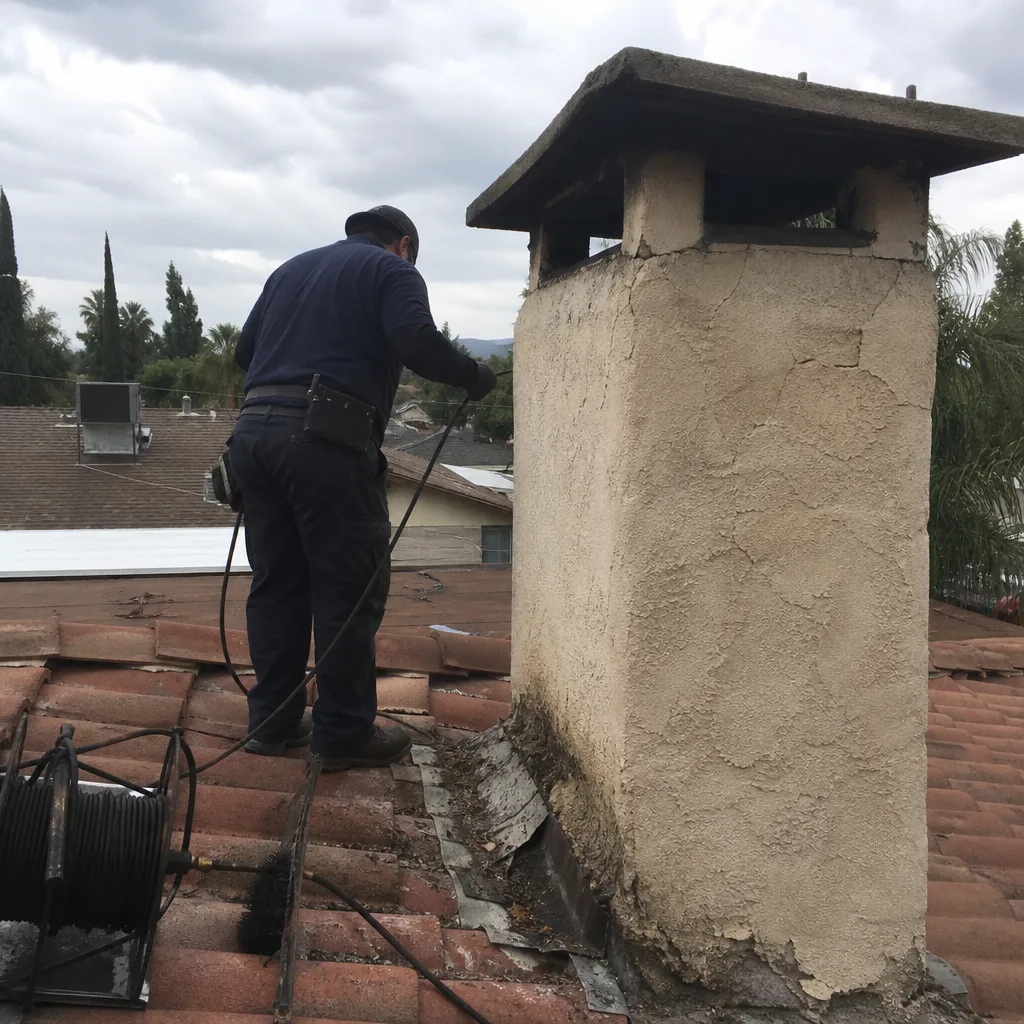 Before
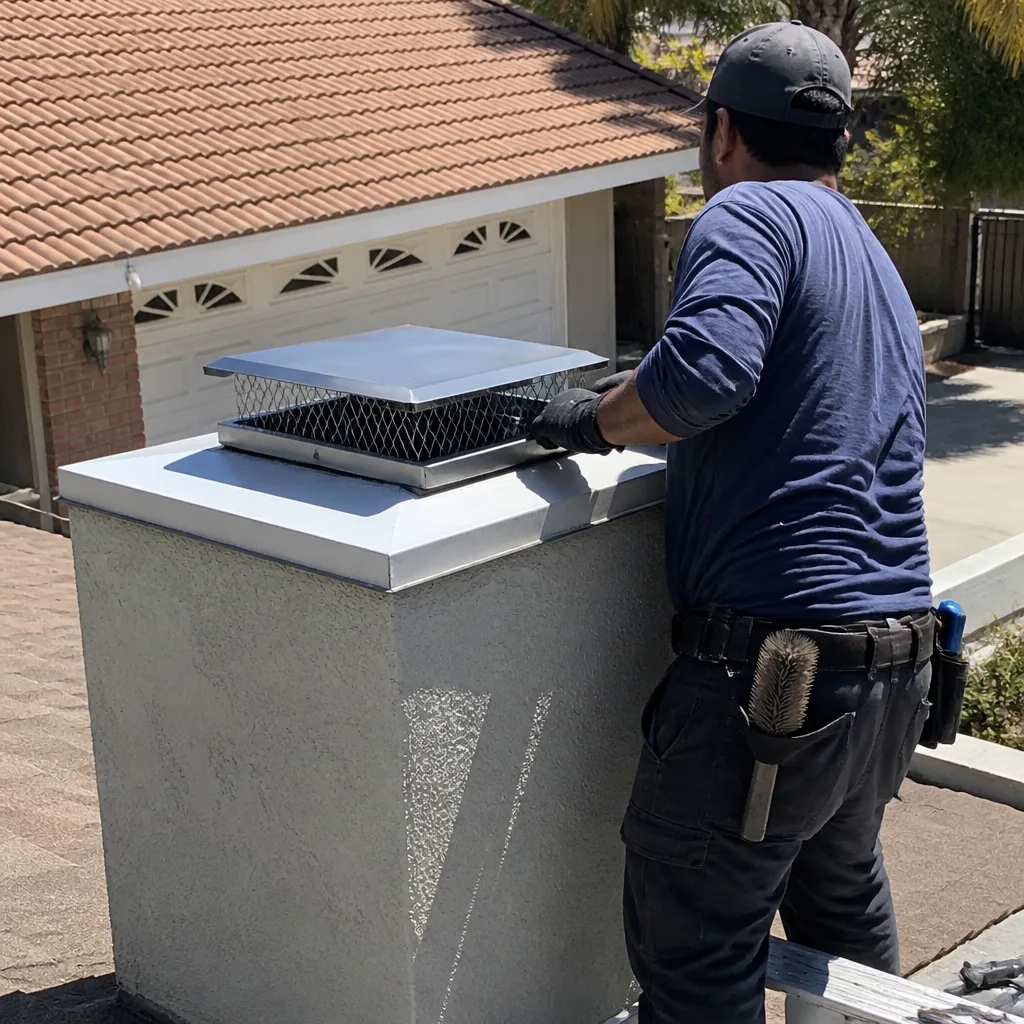 After
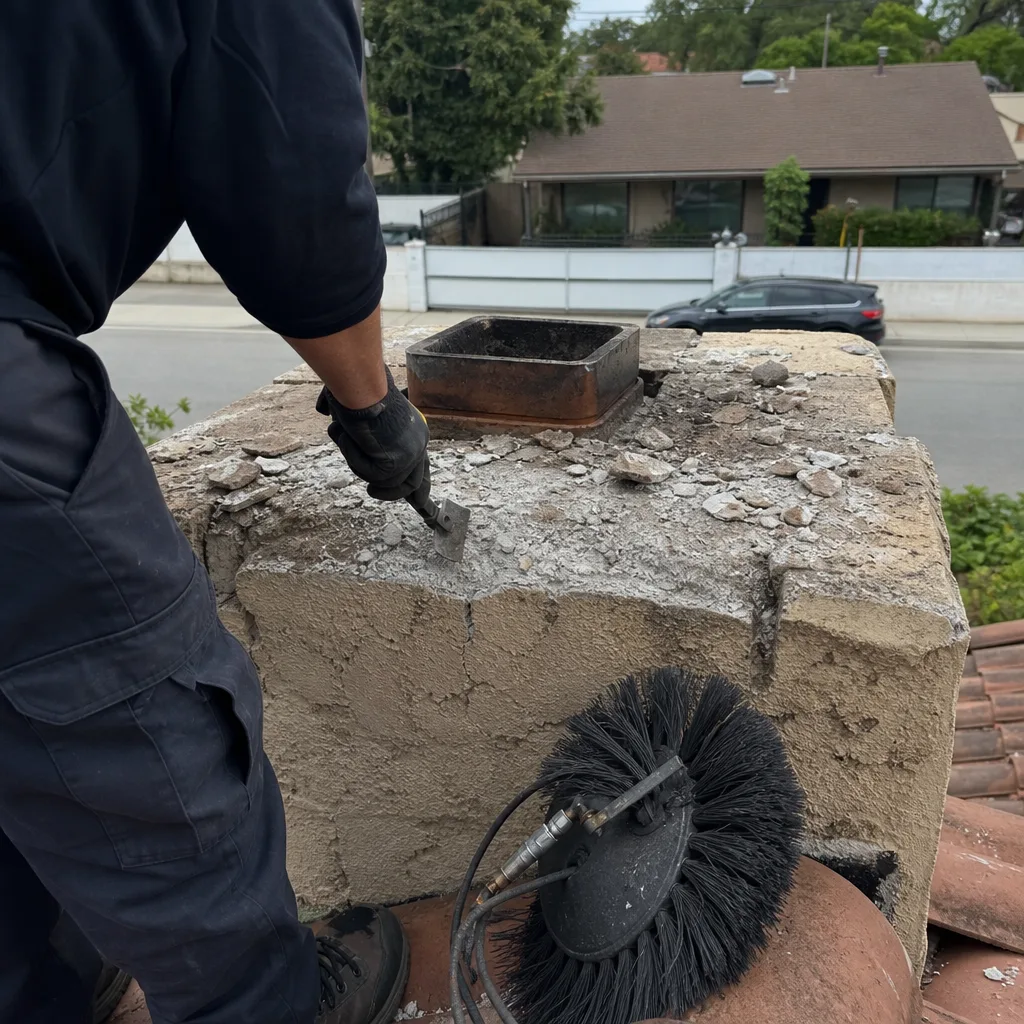 Before
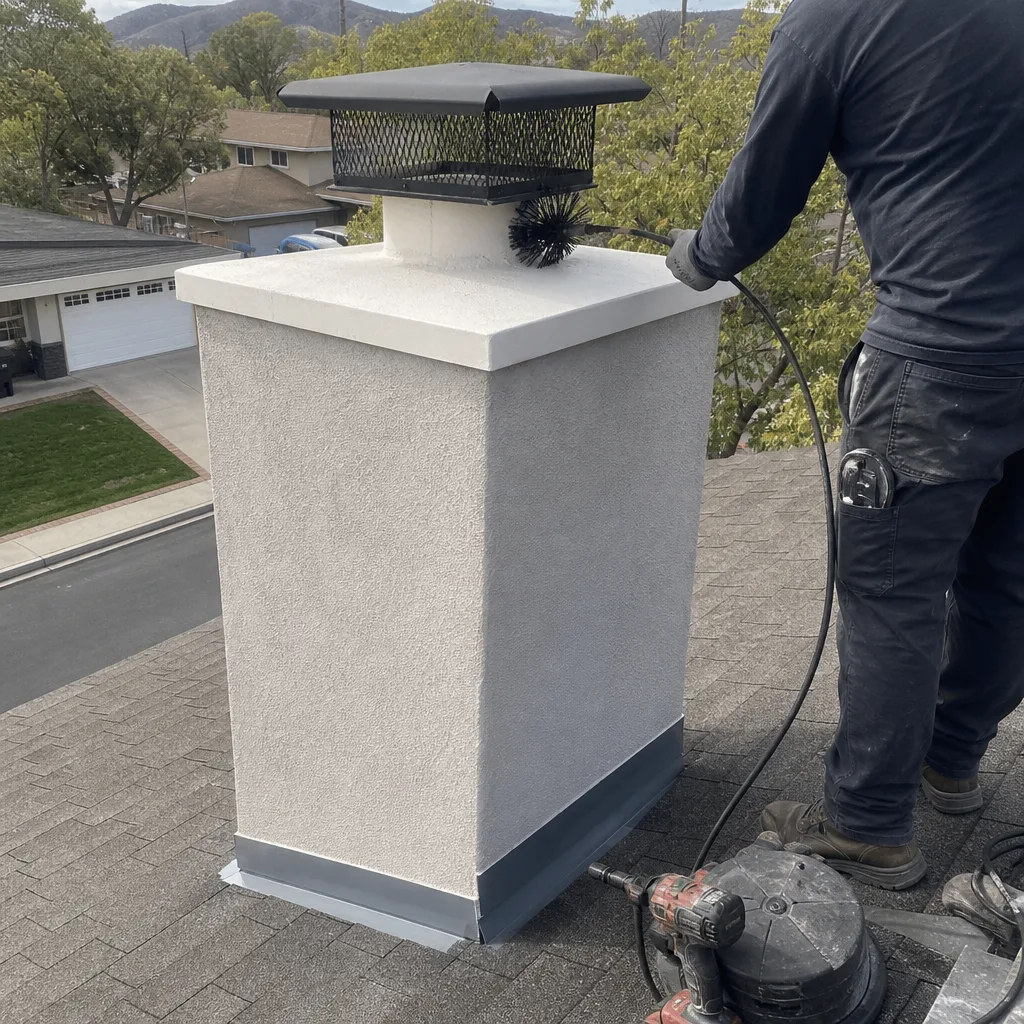 After
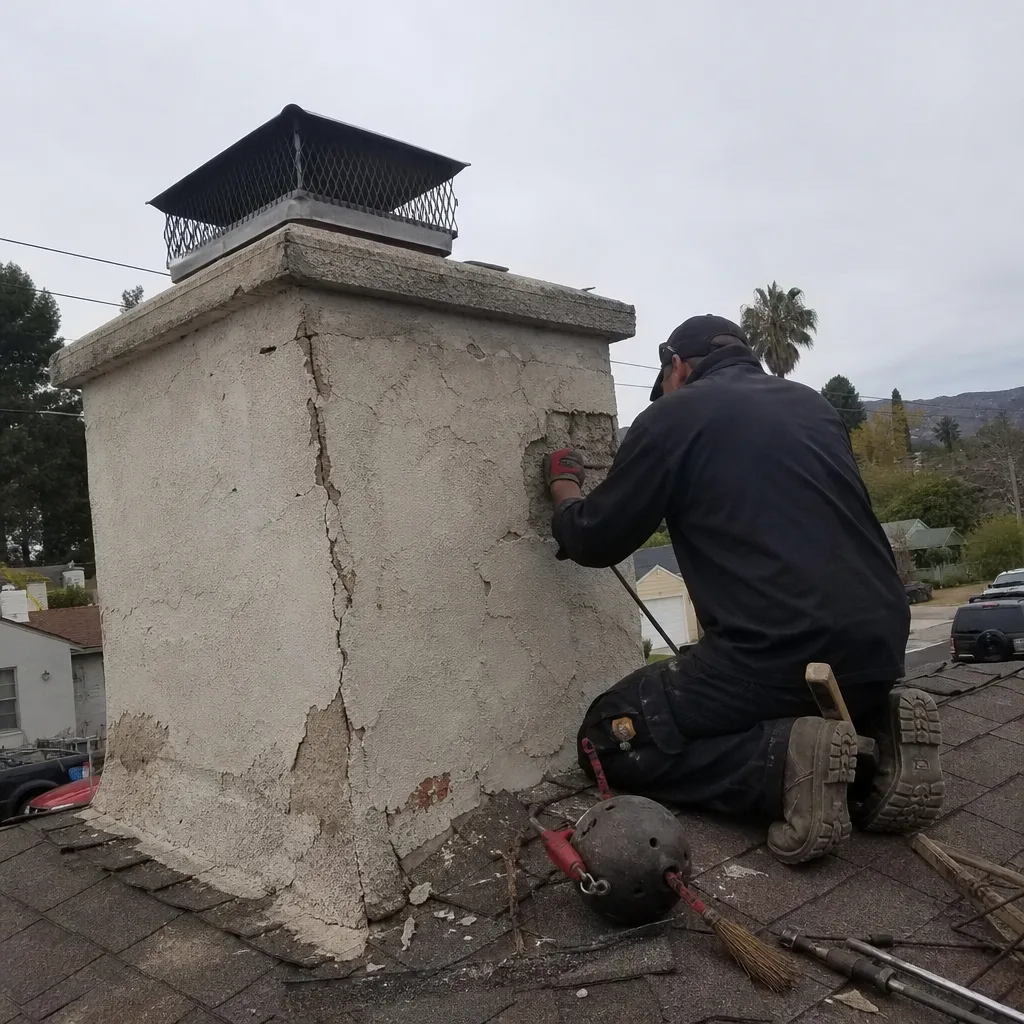 Before
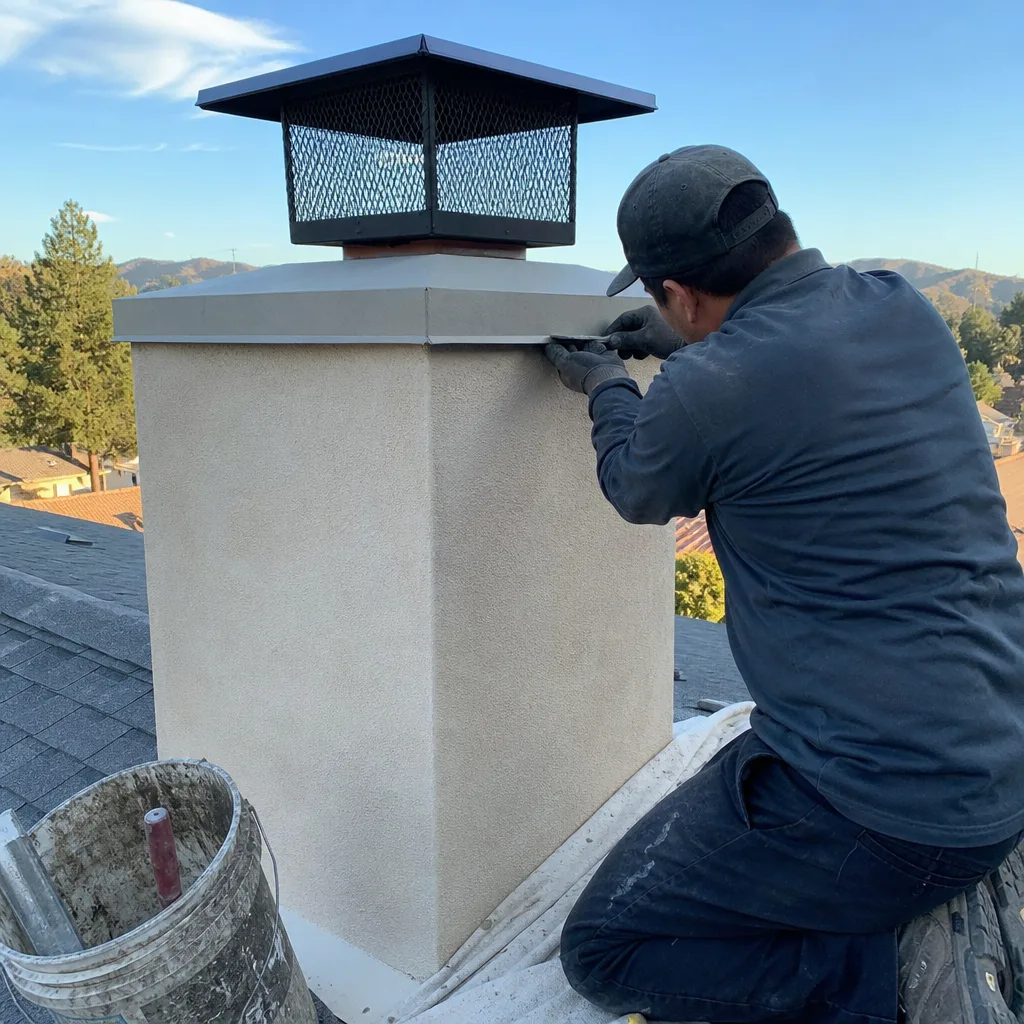 After