
Last updated November 2, 2026
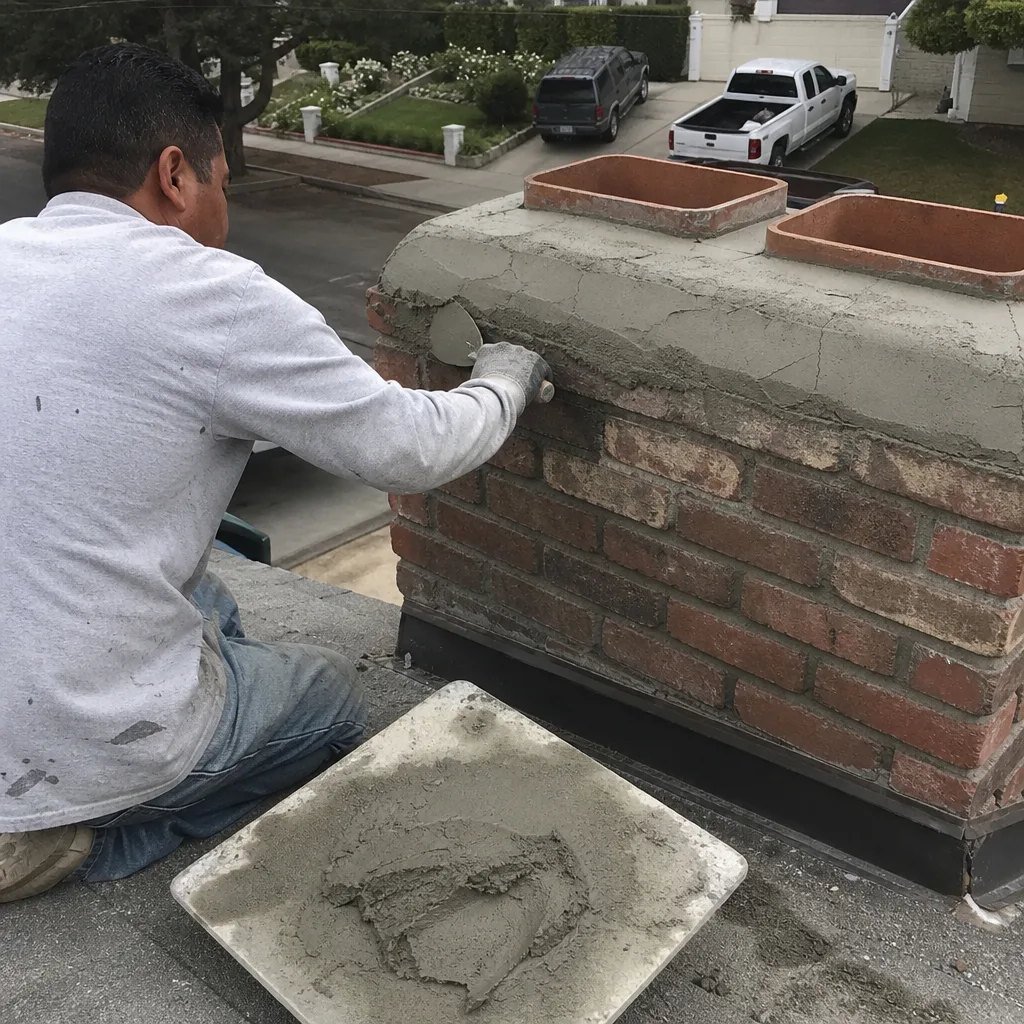
 Sweep & inspection
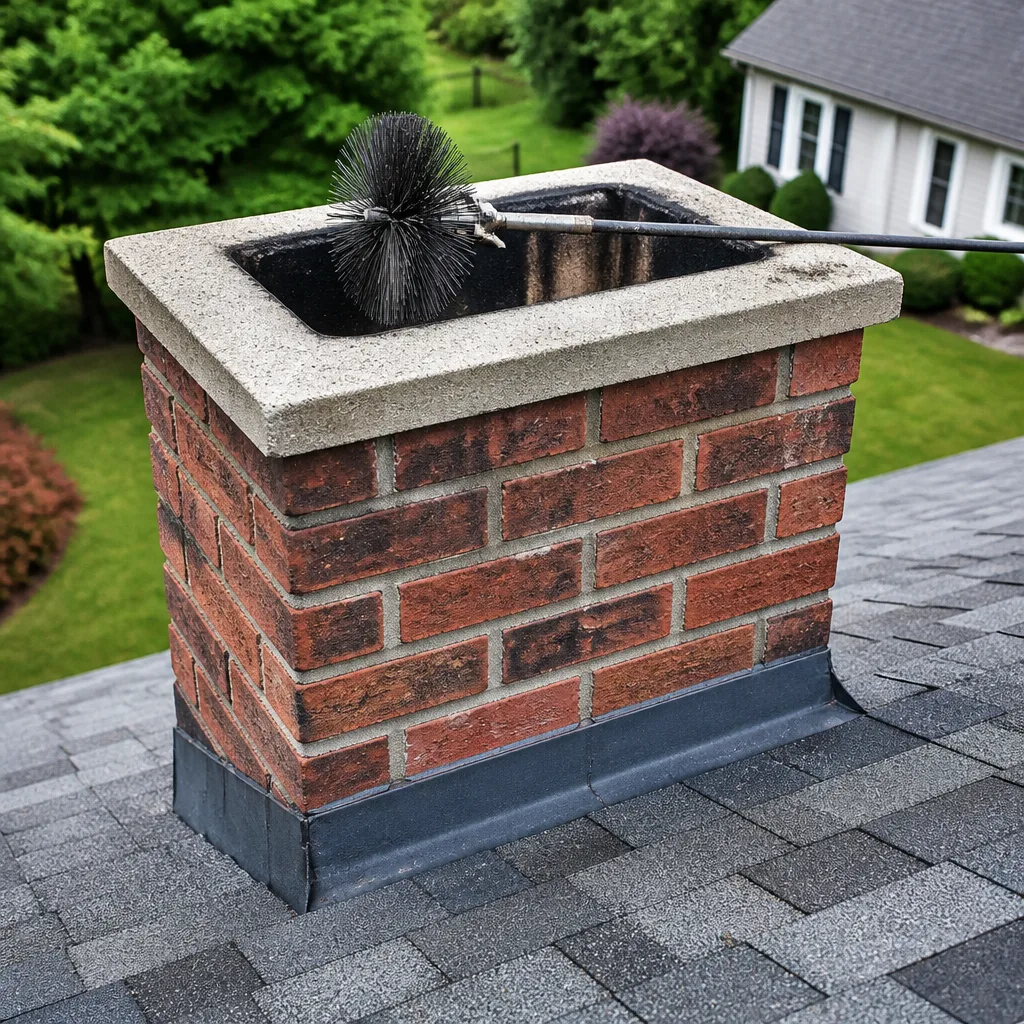
 Caps & crowns
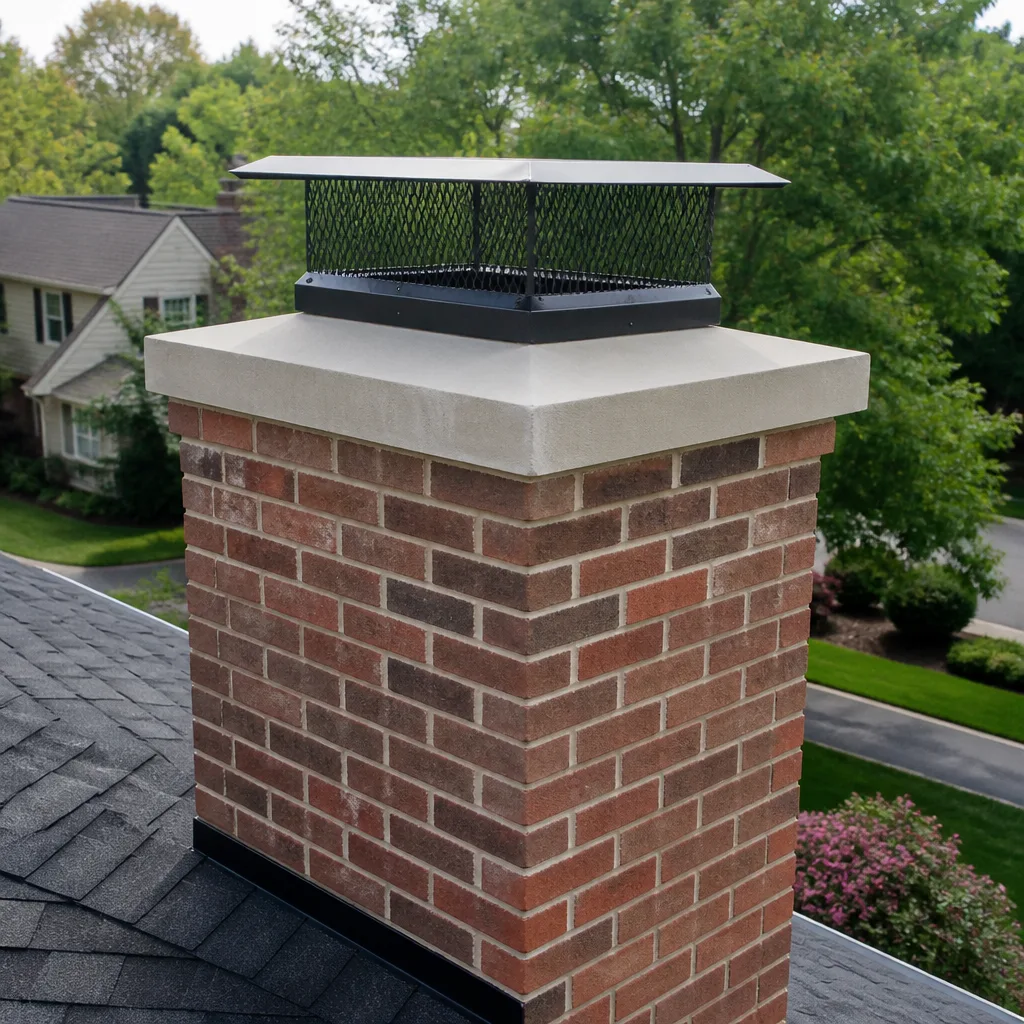
 Flue relining
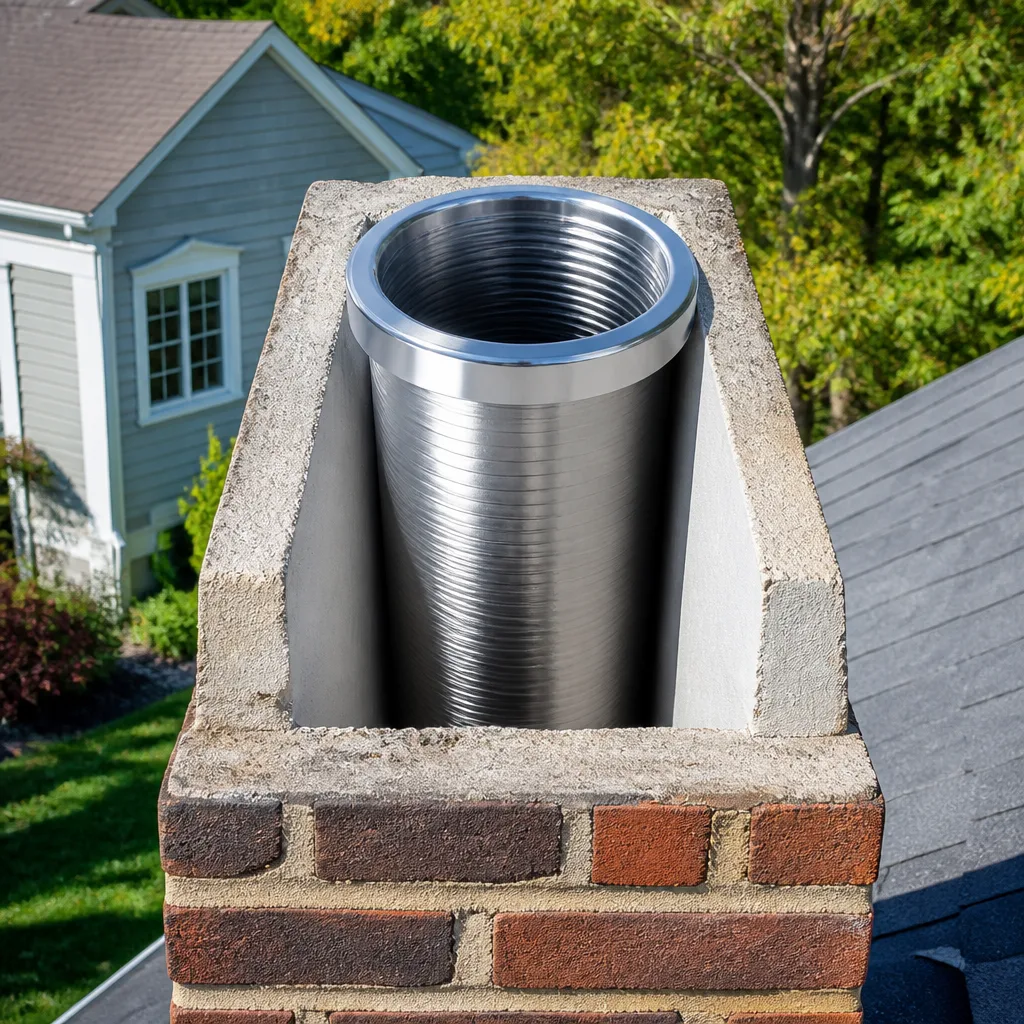
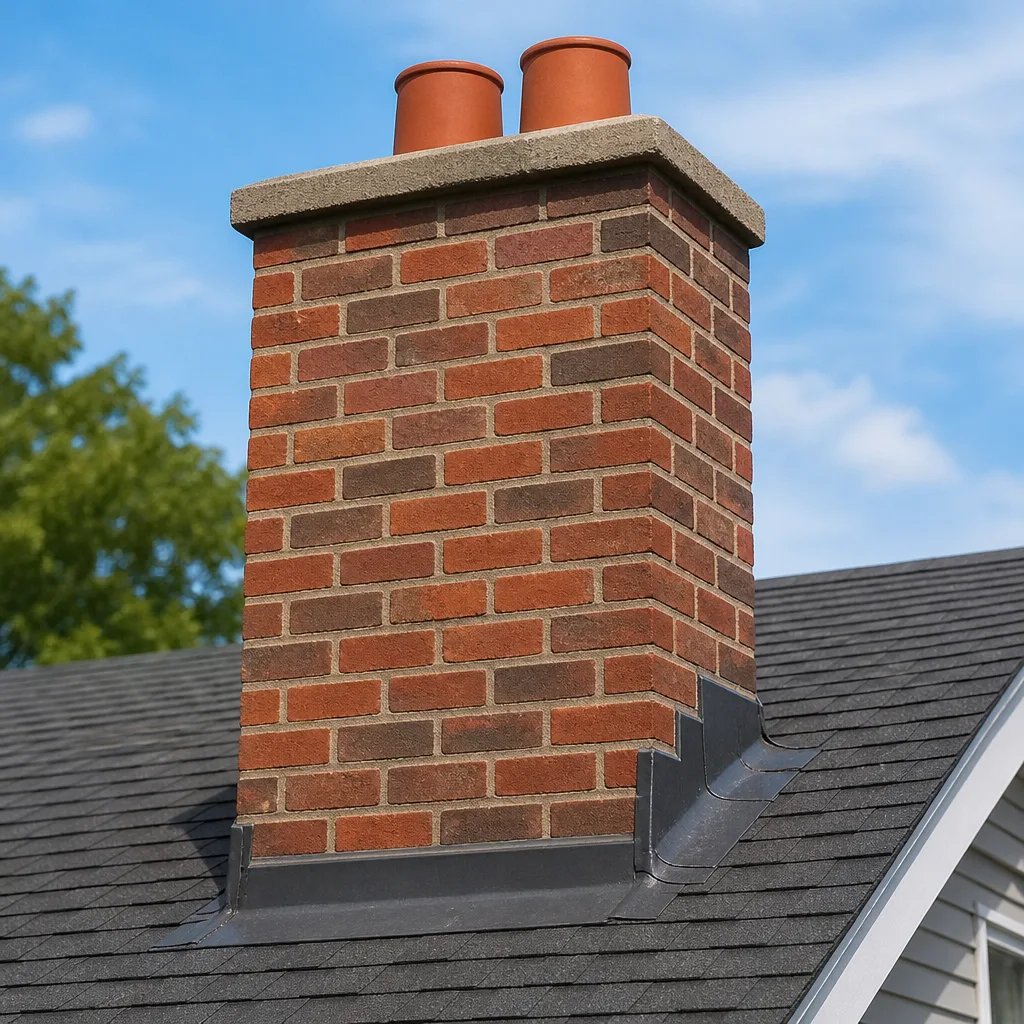 Masonry repair
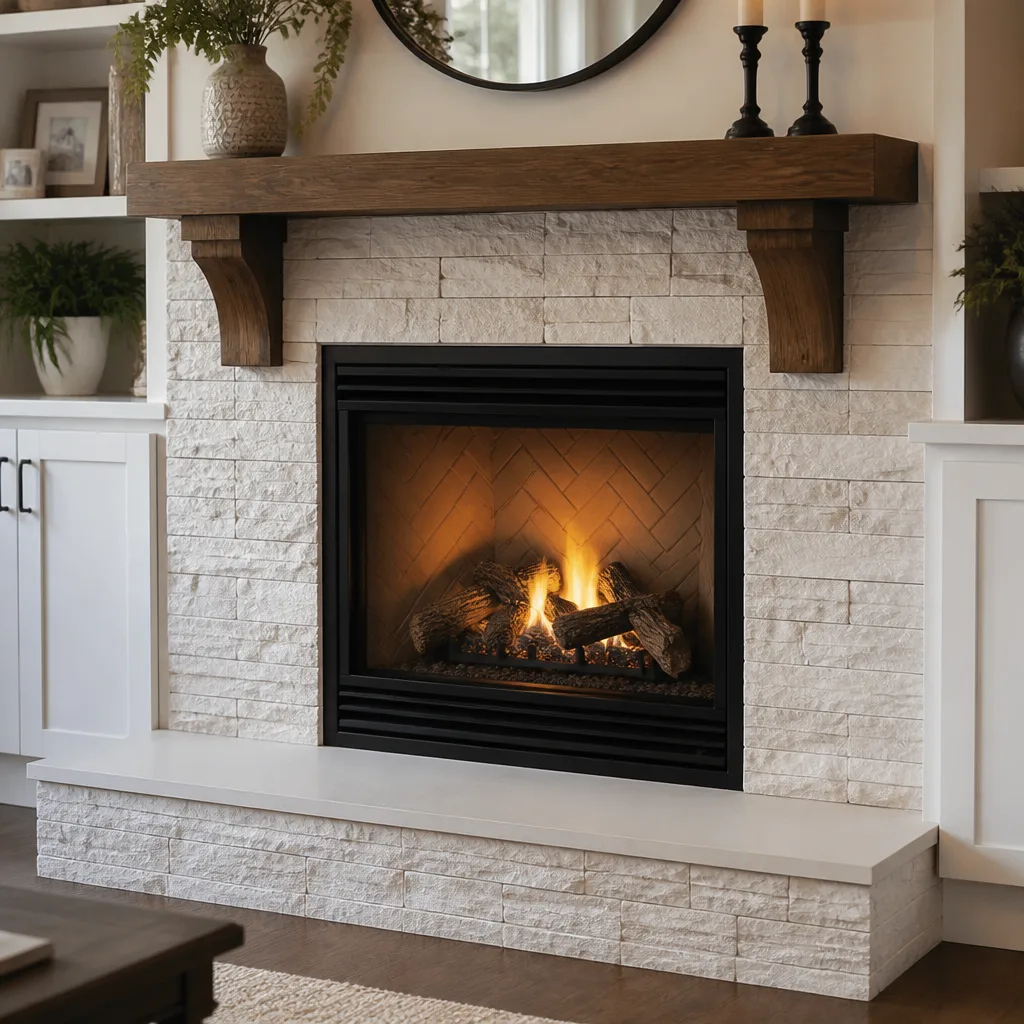 Gas fireplace service
Level 1 sweep and inspection to the NFPA 211 annual standard - flue, crown, cap, and flashing checked and photographed
Chimney sweep logs do not sweep chimneys. They loosen some creosote - which then falls where a brush and vacuum still have to collect it.
DIY vs Professional Chimney Cleaning: The Sylmar Homeowner’s Decision Guide
Consumer chimney brush kits are sold as a complete solution, but they were designed for surface-level maintenance between professional cleanings, not as a replacement for them. The components most likely to cause a chimney fire or carbon monoxide event are the ones a brush never reaches. If you live in Sylmar and you’re weighing the cost of a professional sweep against a Saturday afternoon with a hardware store kit, our Chimney Cleaning Cost Breakdown: The Sylmar Homeowner’s Reference for 2026 and this guide will show you exactly where DIY ends and professional scope begins. We’ll walk through what you can safely do yourself, what requires trained eyes and equipment, and what the real cost difference looks like when you factor in risk, time, and the things a brush simply cannot see.
Styles & brands we work with
- Sweep & inspection
- Caps & crowns
- Flue relining
- Masonry repair
- Gas fireplace service
Quick Answer
DIY chimney cleaning removes loose soot and light creosote from the flue walls, but it cannot assess liner integrity, classify creosote stage, or evaluate crown, flashing, or cap condition. A professional Chimney Sweep in Sylmar brings diagnostic equipment and repair capability that a consumer brush kit structurally cannot match. For most Sylmar homeowners who burn wood regularly, the safest and most cost-effective approach is a professional sweep and inspection at least once a year, with light DIY maintenance between visits if you understand your limits.
Table of Contents
- What DIY Chimney Cleaning Can Actually Accomplish
- What DIY Cannot Do: The Diagnostic Gap
- Identifying Creosote: Stage One vs. Stage Two vs. Stage Three
- The Equipment Gap: What Professionals Use That You Can’t Buy
- Sylmar-Specific DIY Risk Factors
- The Real Cost Comparison: DIY vs. Professional
- Tasks a Homeowner Can Safely Do
- Common Mistakes to Avoid
- When to Call a Professional
- Frequently Asked Questions
- The Bottom Line
What DIY Chimney Cleaning Can Actually Accomplish
A homeowner with a basic chimney brush kit can remove loose soot from the first few feet of flue. That’s the honest scope of it. If you have a masonry chimney with a straight run and you burn seasoned hardwood, a brush on a fiberglass rod can knock down the fluffy, matte-black deposits that accumulate near the smoke shelf. This is surface maintenance. It does not address what’s happening further up the flue, behind the damper, or inside the liner itself.
In Sylmar, where winter fires are common in the foothill neighborhoods and summer wildfire smoke settles across the valley, homeowners often mistake the appearance of light soot for the full picture, as our Seasonal Chimney Cleaning Care for Sylmar: Year-Round Homeowner’s Guide explains in more detail. A brush removes what you can see from the firebox looking up. It does not remove what you cannot see from that angle: the glaze forming mid-flue, the cracks opening in clay tile liners, the wasp nest built into the cap during spring. Those are the conditions that become problems, and they are invisible to a DIY approach.
There is a role for homeowner maintenance. Checking the chimney cap after a wind event, clearing ash from the firebox before it builds past the grate, and noting any changes in how the fireplace draws are all reasonable tasks. These are observational steps that help you catch problems early. What they are not is cleaning. The distinction matters because the chimney industry’s safety standards, including those published by the NFPA, are built around inspection and removal of creosote deposits, not just cosmetic soot removal.
What DIY Cannot Do: The Diagnostic Gap
The DIY chimney cleaning debate is usually framed as cost savings versus convenience, but the real issue is diagnostic capability. A homeowner with a brush can remove surface creosote, but they cannot assess liner integrity, identify stage-two creosote, or evaluate flashing and crown conditions. This is the line between maintenance and safety inspection, and it’s a hard line. You cannot inspect what you cannot reach, and you cannot repair what you cannot diagnose.
Consider what a professional sweep includes before any brush touches the flue. At Chimney Sweep Sylmar, the process starts with a visual inspection from the firebox, then from the roof. We look for spalling brick, cracked crown mortar, rusted dampers, and liner damage before cleaning begins. Then we clean, and then we inspect again. The second inspection matters because creosote removal often exposes damage that was hidden beneath the deposits. A homeowner with a brush never reaches the point where that second inspection happens.
The diagnostic gap extends to tools. A professional chimney camera system can be run through the flue after cleaning to show you, on a screen, the condition of your liner tile by tile. That capability changes the conversation from “the chimney looks okay from here” to “here is the crack at the 14-foot mark, and here is what it means.” We use the same camera evidence when recommending repairs, which means you never have to take a contractor’s word for it. You can see the problem yourself. That is the standard a DIY kit cannot approach.
Identifying Creosote: Stage One vs. Stage Two vs. Stage Three
Creosote is not one substance. It forms in three distinct stages, and each requires a different response. Knowing which stage you’re dealing with determines whether a brush is even relevant to your situation.
Stage one is a light, flaky, dark-brown or gray deposit. It brushes off relatively easily and is the type of creosote a homeowner might remove with a consumer kit. If you burn dry, seasoned wood and your fires burn hot, this may be the extent of your accumulation.
Stage two is the turning point. This deposit looks like shiny black flakes or small, curled chips adhered to the flue wall. It is denser than stage one and does not come off with a basic brush. Stage two requires mechanical removal with rotary cleaning equipment or, in some cases, chemical treatment to break down the deposit first. In our experience, Sylmar homes that burn oak or mixed hardwoods through the winter often develop stage two deposits by February or March, especially if the fires are banked overnight for heat.
Stage three is the dangerous one. This is a hardened, glass-like glaze that forms when creosote bakes under high heat repeatedly. It appears as a shiny, black, tar-like coating. Stage three creosote is a fuel source. It can ignite at temperatures that a normal chimney fire reaches quickly, and once it ignites, it burns at extremely high temperatures that can crack clay liners and spread to surrounding framing. Removal of stage three creosote is not a DIY task under any circumstances. It requires professional chemical treatment, often applied over multiple visits, followed by rotary cleaning.
The problem with DIY cleaning is that a brush can knock down stage one while leaving stage two and three untouched. Homeowners sometimes finish a DIY job thinking the chimney is clean, when in fact the most dangerous deposits are still baked onto the flue walls above where the brush stopped reaching.
The Equipment Gap: What Professionals Use That You Can’t Buy
Consumer chimney brush kits are built around one tool: a wire brush on a segmented rod. That tool has a place, but it is a small place. Professional chimney companies operate with a fundamentally different equipment set, and the gap is structural, not incremental.
Rotary cleaning systems are the clearest example. A professional rotary system uses a spinning head with flexible nylon or steel whips attached to a drive shaft. The spinning action scrubs the flue walls at high speed, dislodging stage two creosote that a static brush merely polishes. These systems are powered by heavy-duty drills, and the heads are sized to the specific flue dimensions. You cannot rent this equipment, and the consumer versions sold online lack the power and head configuration to do real work on a masonry flue.
Then there is the containment issue. A professional sweep in Sylmar runs a HEPA vacuum with a specialized chimney attachment throughout the cleaning. The vacuum creates negative air pressure inside the flue, pulling loosened debris into a sealed canister instead of allowing it to billow into your living room. The dust from chimney cleaning is not ordinary dust. It contains fine creosote particles and potentially asbestos from older liners or insulation. Breathing it is not recommended. Consumer kits typically include a flimsy drop cloth and a warning to cover furniture, which does not address air quality at all.
Finally, there is the inspection equipment. We use a chimney camera system to document liner condition, and we use tools like moisture meters to check for water intrusion at the crown and flashing. These tools transform a cleaning from “we brushed the inside of the pipe” to “we verified the entire system is safe, and here is the evidence.” That evidence is also your protection if you’re facing an insurance claim or pre-sale inspection. The equipment gap is not a matter of convenience. It is the difference between cleaning and verification.
Sylmar-Specific DIY Risk Factors
Sylmar’s geography and climate create specific risks for DIY chimney work that generic online guides rarely address. If you’re climbing onto a roof in this part of the San Fernando Valley, you need to know what you’re dealing with.
First, there’s the Santa Ana wind season. Sylmar sits near the base of the San Gabriel Mountains, and when the Santa Anas blow, they funnel through the passes with gusts that can exceed 50 mph. Climbing onto a roof with a chimney brush and fiberglass rods is dangerous in calm weather. In wind season, it’s reckless. A long rod assembly acts as a sail, and a gust can knock you off balance before you can react. We schedule roof work around wind forecasts for exactly this reason. A homeowner with a weekend window may not have that flexibility.
Second, wildlife is a real factor in Sylmar. The undeveloped hillsides and wash areas around the neighborhood support healthy populations of birds, squirrels, and raccoons. Uncapped chimneys become nesting sites. If you start running a brush up a flue that has an active nest or roosting birds, you may face aggressive wildlife, and you may also violate state and federal protections that cover certain bird species during nesting season. We’ve removed nests from Sylmar chimneys that contained active chicks. The correct response involves timing, protective measures, and often a new cap installation, not aggressive brushing.
Third, wildfire ash accumulation is different from normal creosote. After the fires that have touched the edges of Sylmar in recent years, ash from burnt vegetation and structures settles across the valley. This ash can enter uncapped chimneys and mix with normal creosote, creating an unusual deposit that does not respond to standard brushing. Misidentifying this ash as normal soot leads to incomplete cleaning. A professional inspection after a wildfire season will identify what is ash and what is creosote, and the cleaning approach will account for both.
The Real Cost Comparison: DIY vs. Professional
Let’s put numbers on the table. If you want a deeper look at pricing, see our How to Hire a Chimney Cleaning Contractor in Sylmar: A Step-by-Step Guide. This is where most DIY-versus-professional discussions go wrong, because they compare the cost of a brush kit to the cost of a single sweep and leave it there. The real comparison includes equipment, time, risk, and the cost of missed problems.
A consumer chimney brush kit costs between $40 and $120, depending on the rod length, brush type, and included accessories. Add a basic tarp and a dust mask, and you’re at roughly $75 to $150. A professional chimney sweep in Sylmar typically runs $180 to $340, with the higher end including camera inspection, cap checks, and more complex access situations.
Here’s what those numbers do not capture:
- Time: A homeowner’s first DIY chimney cleaning typically takes four to six hours, including setup, roof access, the cleaning itself, and cleanup. A professional completes the same job in 60 to 90 minutes.
- Equipment shelf life: Consumer kits are built for occasional use. The rods bend, the brush heads lose bristles, and after two or three uses, you’re buying another kit. A professional rotary system is maintained and replaced on a schedule, but the cost is spread across hundreds of jobs.
- Risk cost: A roof fall is a hospital visit. Even a minor slip on a Spanish tile roof in Sylmar can mean broken bones. The direct medical cost of a roof fall is not part of the DIY savings equation, and it should be.
- Missed problem cost: This is the big one. A DIY cleaning misses a cracked crown that lets water into the chimney chase. A year later, the framing around the chimney is rotted and the repair bill is $4,000 instead of $400. A DIY cleaning misses stage-three creosote, and a chimney fire cracks the liner. The relining job costs $3,500 to $7,000. The $150 savings on a sweep just became a $5,000 problem.
This is not to say every DIY cleaning leads to disaster. It is to say that the downside risk of a missed problem is an order of magnitude greater than the cost of a professional sweep. Homeowners who understand this math tend to see a professional sweep as the cheaper option.
Tasks a Homeowner Can Safely Do
There is a legitimate role for homeowner involvement in chimney maintenance. Here is the task list we give Sylmar homeowners who ask what they can do themselves.
- Monthly visual check from the firebox: Shine a flashlight up the flue from inside the firebox. Look for obvious obstructions, loose debris, or a sudden change in the appearance of the flue walls. This is an observation task, not a cleaning task, and it takes five minutes.
- Firebox ash removal: Once ash builds past the level of the grate, remove it with a metal shovel into a metal bucket. Dispose of the ash in a metal container away from the house. Never use a plastic bag or a plastic bucket, even if the ash feels cool. Embers can survive for days.
- Cap check from the ground: Walk around the house and look up at the chimney cap. If the cap is missing, dented, or visibly obstructed, that’s a call to a professional. You do not need to climb onto the roof to make this assessment.
- Smoke-and-draw observation: When you start a fire, note how the smoke behaves. If smoke rolls into the room instead of up the flue, if the fireplace drafts oddly, or if you notice a new smell during fires, write it down and mention it when you call a professional. These observations are valuable diagnostic information.
- Cap screen clearing from a ladder if safe: If you have a single-story home and a stable ladder, and if the cap screen is reachable from a ladder position that does not put you on the roof, you can remove leaves and visible debris from the screen. This is not a roof-climb task. If you’re not comfortable on a ladder, skip it and call us.
These tasks keep you connected to the condition of your chimney without putting you on a roof or into a flue. They are the homeowner’s version of preventive care, and they’re worth doing.
Common Mistakes to Avoid
- Assuming a clean flue means a safe chimney. A brush removes soot. It does not inspect the crown, flashing, damper, or liner. A chimney can look clean from the firebox and still have a cracked crown letting water into the chase.
- Using a chimney cleaning log as a replacement for sweeping. Chemical logs can loosen creosote, but they do not remove it. The loose material still needs to be brushed out. A log without a follow-up sweep leaves the fuel source in place.
- Climbing onto a Sylmar roof during Santa Ana season. Wind gusts in the passes can exceed 50 mph. A fiberglass rod assembly turns into a sail. We won’t put our own people on a roof in those conditions, and homeowners shouldn’t either.
- Ignoring a chimney cap that’s missing or damaged. Sylmar’s bird and squirrel population will find an open flue. Nests block drafting and become fuel. A missing cap is a wildlife invitation that costs far more to fix than a cap replacement.
- Burning unseasoned wood to save money on firewood. Wet wood produces more creosote, more smoke, and less heat. The money saved on firewood gets spent on more frequent cleanings, and the creosote levels climb faster. Season your wood for at least six months in Sylmar’s dry climate.
- Treating all flues the same. A wood stove flue and a masonry fireplace flue have different cleaning requirements, different creosote patterns, and different inspection priorities. What works for one does not automatically work for the other.
- Waiting until fall to think about the chimney. Sylmar’s summer is the best time to have a chimney inspected. The weather is calm, the chimney is dry, and any repairs can be scheduled before burning season. Waiting until November means competing with every other homeowner who just lit their first fire and discovered a problem.
When to Call a Professional
Call a professional chimney sweep when you see shiny black deposits on the flue walls, when you notice a strong chimney odor in the house even when there’s no fire, when your fireplace drafts poorly, when you find pieces of tile or brick in the firebox, or when water stains appear on the ceiling near the chimney. These are not conditions a brush can fix. They are signs that something in the system has changed, and that something needs to be found and addressed. If you’ve had a chimney fire, even a small one, the chimney must be inspected before you burn again. The heat from a chimney fire can crack liners and compromise mortar joints in ways that are not visible from the firebox. Chimney Sweep Sylmar offers free estimates in Sylmar, call (833) 620-0634. If you’re anywhere in the Sylmar area and you’ve seen, smelled, or heard something that concerns you, call us before you burn again.
We also recommend a professional inspection when you buy a home. A chimney is part of the fire safety system of the house, and like any other system, it should be checked before you rely on it. We can run a camera through the flue and show you exactly what condition the liner is in. If repairs are needed, we handle Chimney Repair in Sylmar as part of the same visit, including liner resurfacing with HeatShield and full relining with DuraFlex flexible liner systems. You get one point of contact for the whole chimney, from Chimney Sweep Sylmar home inspection to repair to ongoing maintenance.
Dryer vents are part of the same combustion-safety picture. Lint buildup is a leading cause of residential house fires, and a dryer vent cleaning every one to two years is the cheapest fire insurance you can buy. We offer Dryer Vent Cleaning in Sylmar as part of our service scope, which means a single visit can address both your chimney and your dryer vent. For homeowners who want to consolidate their home safety maintenance, that’s a meaningful convenience.
Frequently Asked Questions
A professional chimney sweep in Sylmar typically costs between $180 and $340, with the higher end including camera inspection and more complex access situations. The cost varies based on flue size, creosote stage, and whether repairs are needed. Call (833) 620-0634 for an exact quote. Estimates are free.
You can remove loose soot and light stage-one creosote from the reachable portion of the flue, but you cannot inspect the liner, crown, or flashing, and you cannot remove stage-two or stage-three creosote. A consumer kit is a maintenance tool, not a replacement for professional inspection. We recommend a professional sweep at least once a year if you burn wood regularly.
The NFPA recommends a chimney inspection at least once a year, and cleaning whenever creosote deposits reach 1/8 inch or more. If you burn wood regularly through Sylmar’s winter months, an annual cleaning is the baseline. If you burn unseasoned wood, use the fireplace daily, or live near the foothills where wildlife activity is high, you may need cleaning more frequently.
Creosote accumulates, and the risk of a chimney fire rises. Stage-one deposits become stage-two, and stage-two can become stage-three glaze under repeated heat. A chimney fire can crack your liner, and the resulting repair costs far more than several cleanings would have. Skipping cleanings also means small problems like a cracked crown go undetected, which leads to water damage and expensive masonry work.
Not always, and you should not take a liner recommendation without camera evidence. At Chimney Sweep Sylmar, we run a camera through the flue and show you the damage before we recommend anything. In some cases, a HeatShield resurfacing can restore a deteriorating liner without full replacement. In other cases, a DuraFlex flexible liner is the right fix. The point is that you should see the problem yourself before approving any repair. Call (833) 620-0634 if you want a camera inspection with visual evidence.
A professional chimney sweep should not be messy. We use HEPA vacuums and containment systems that keep dust and debris out of your living space. The old image of soot billowing out of a fireplace is a product of outdated methods. Modern professional equipment creates negative air pressure in the flue, drawing debris into sealed canisters instead of into your home.
The Bottom Line
DIY chimney cleaning has a place, but it is a small place. A homeowner with a brush can maintain the surface of a chimney between professional visits. They cannot inspect, diagnose, or repair. The problems that cause chimney fires and carbon monoxide incidents are the ones a brush never reaches: stage-two and stage-three creosote, cracked liners, failed crowns, and obstructed caps. In Sylmar, with its Santa Ana winds, active wildlife, and wildfire ash, those risks are not hypothetical. A professional sweep costs more than a brush kit and saves orders of magnitude more than it costs. For more guides & resources on keeping your chimney safe, explore our blog. If you burn wood in Sylmar, the smartest DIY decision is to schedule a professional inspection and cleaning, then do the light maintenance tasks between visits. That’s the division of labor that keeps a chimney safe year after year.
Written by the team at Chimney Sweep Sylmar, serving Sylmar since 2013.
See the difference
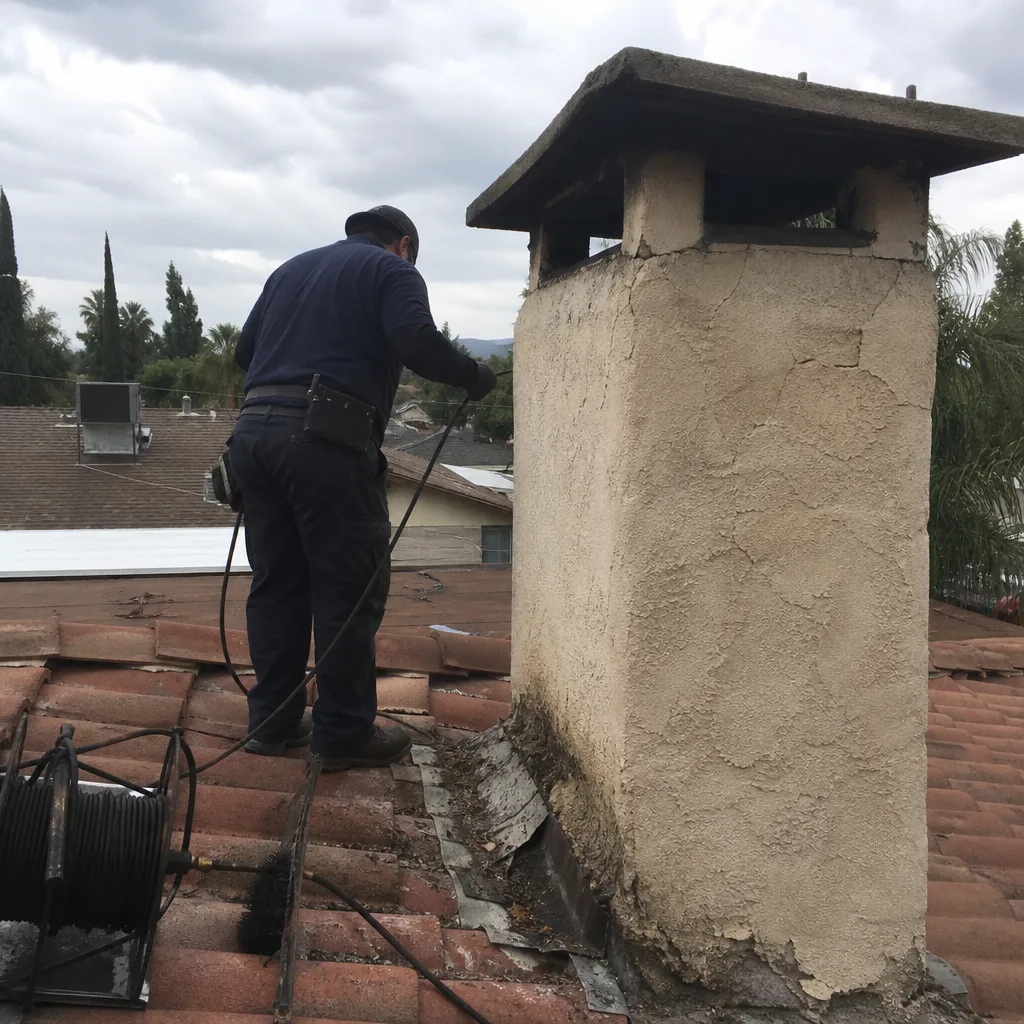 Before
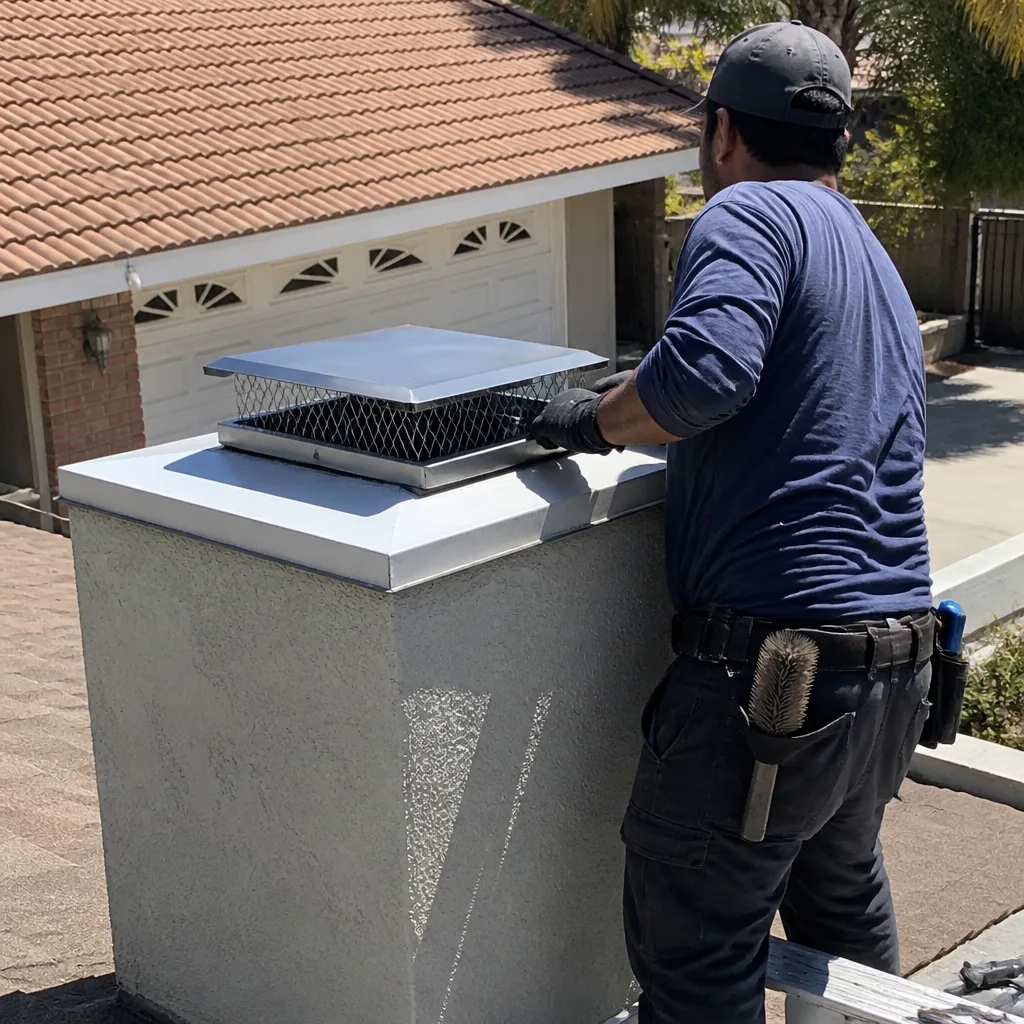 After
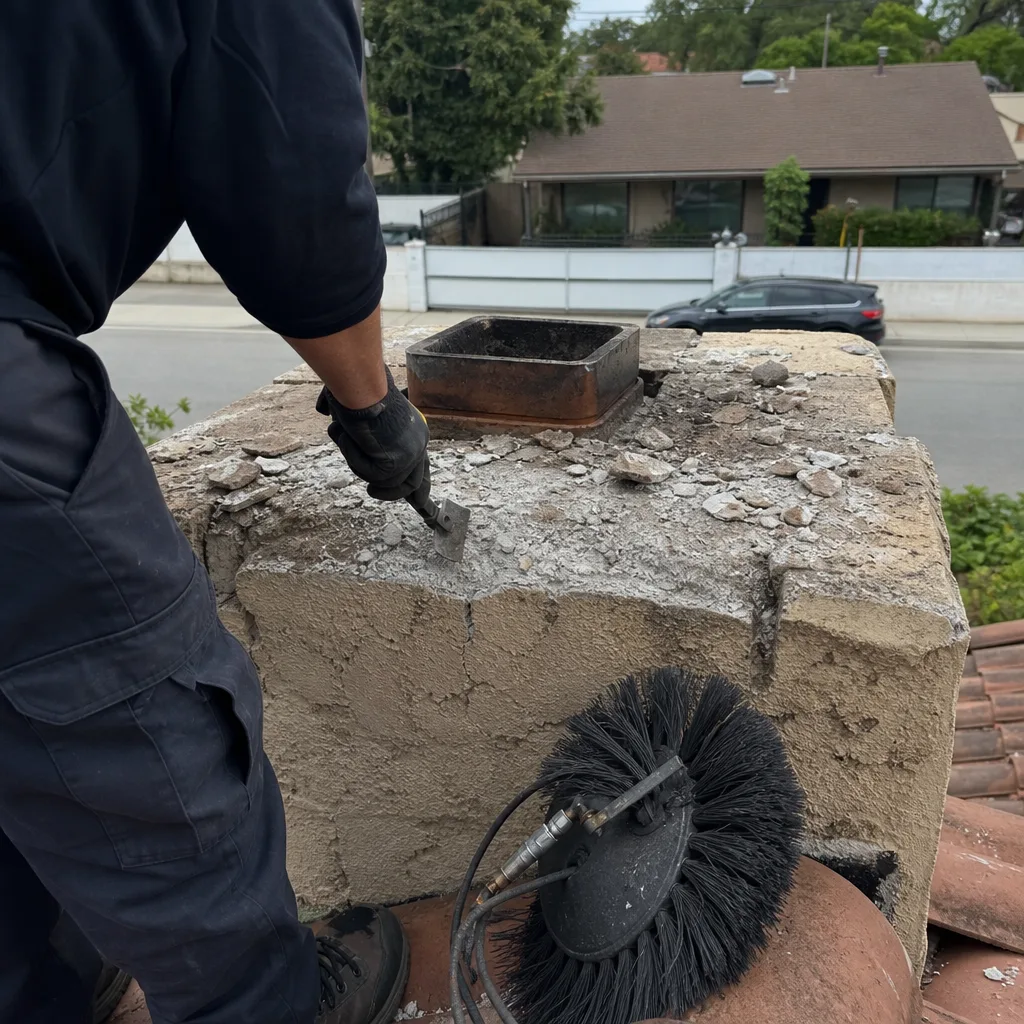 Before
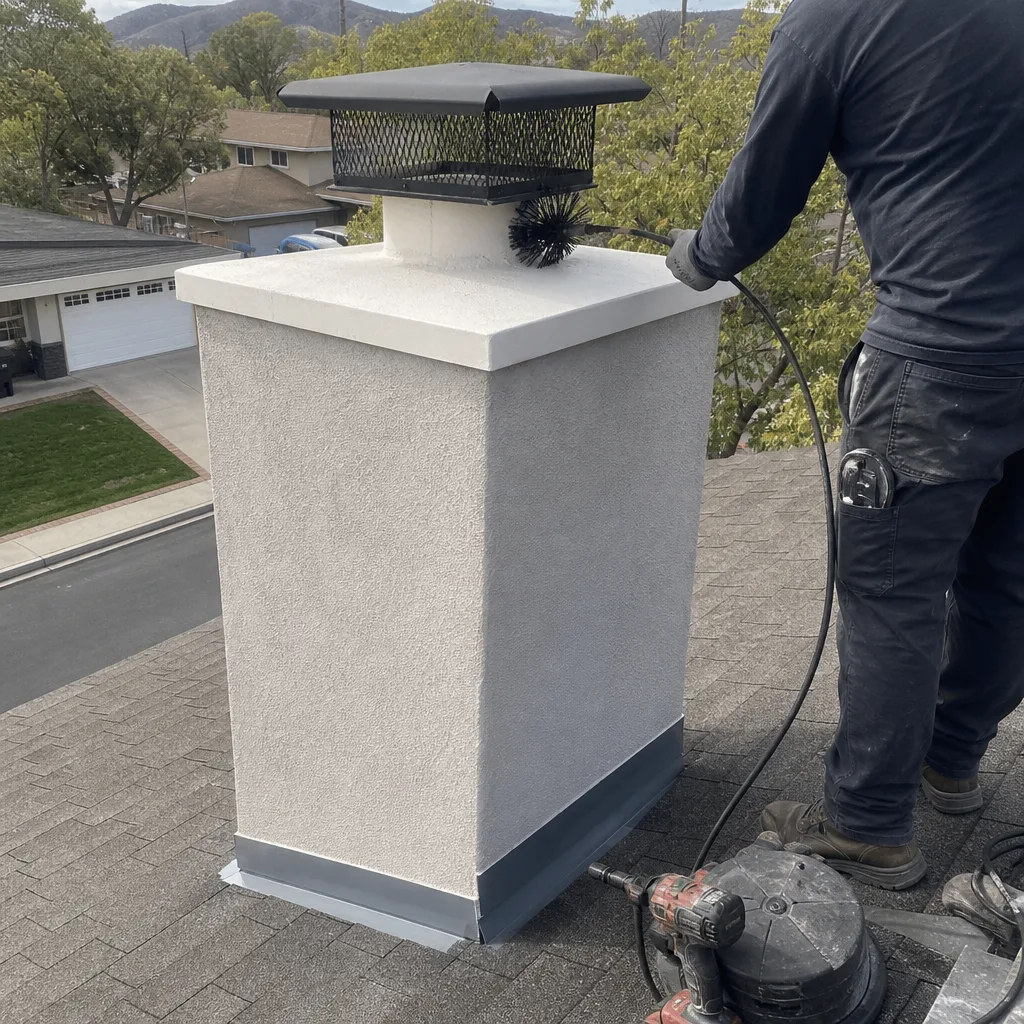 After
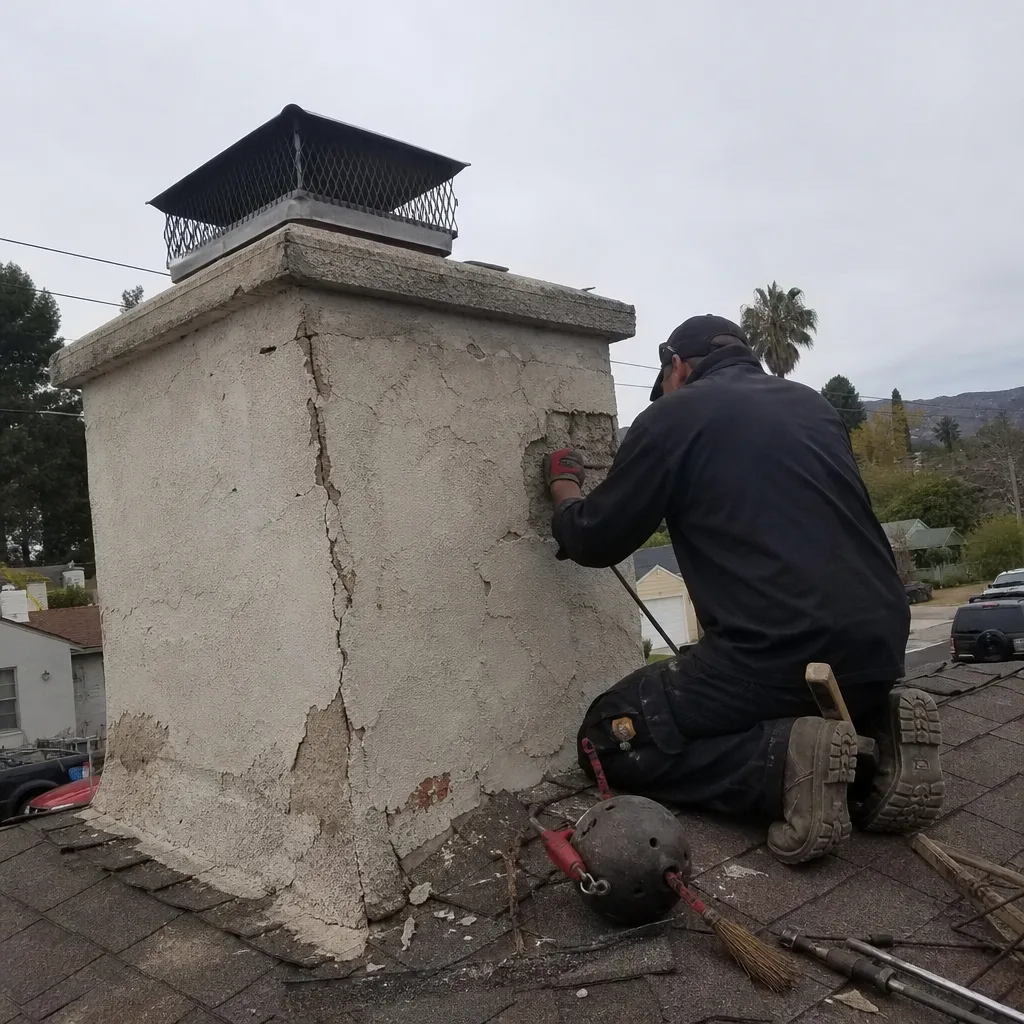 Before
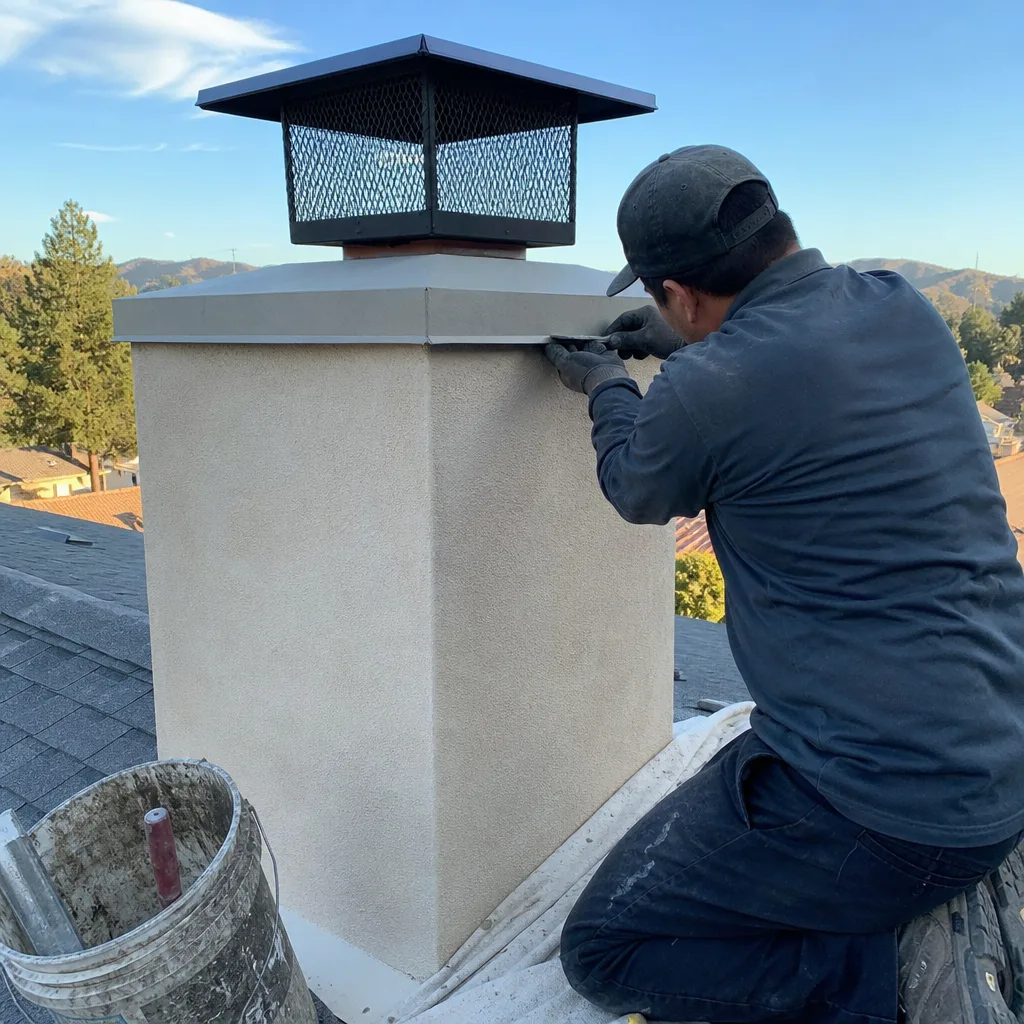 After