
Last updated November 2, 2026
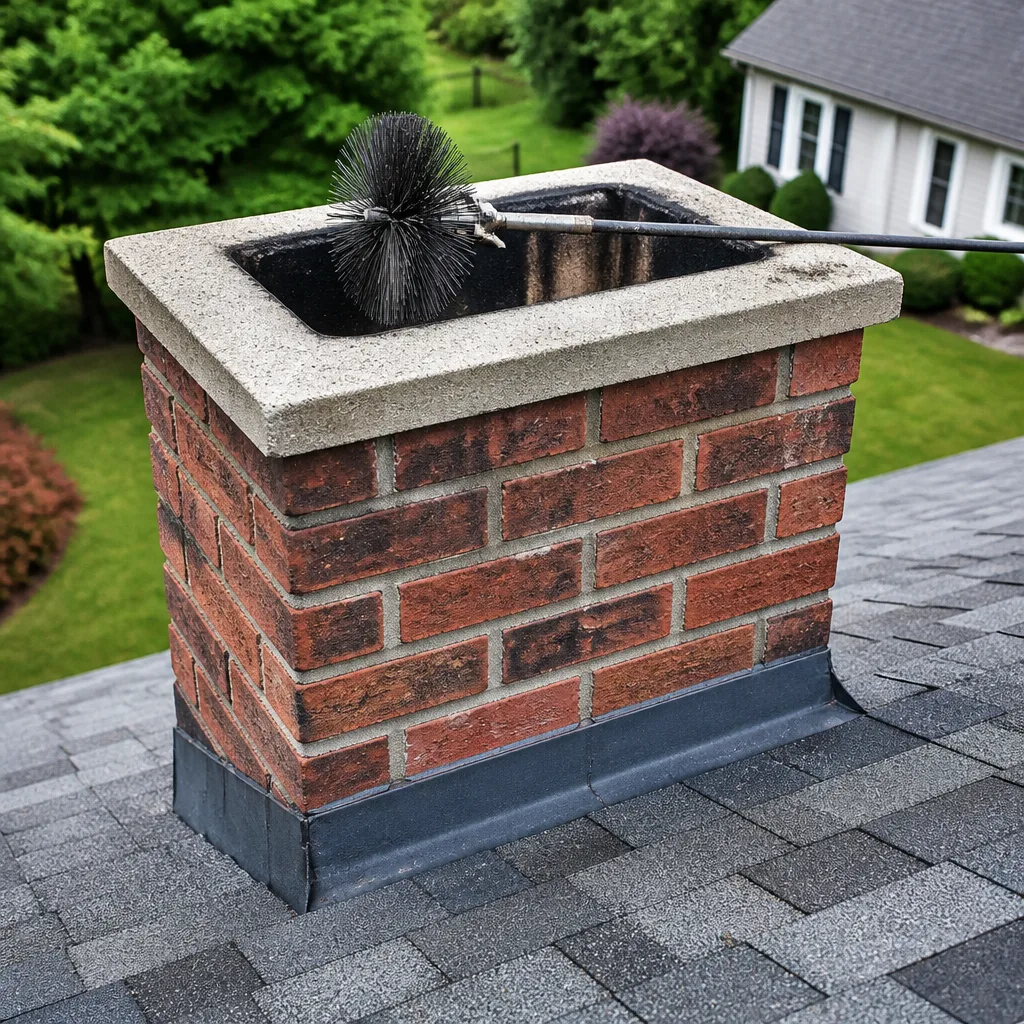 Sweep & inspection
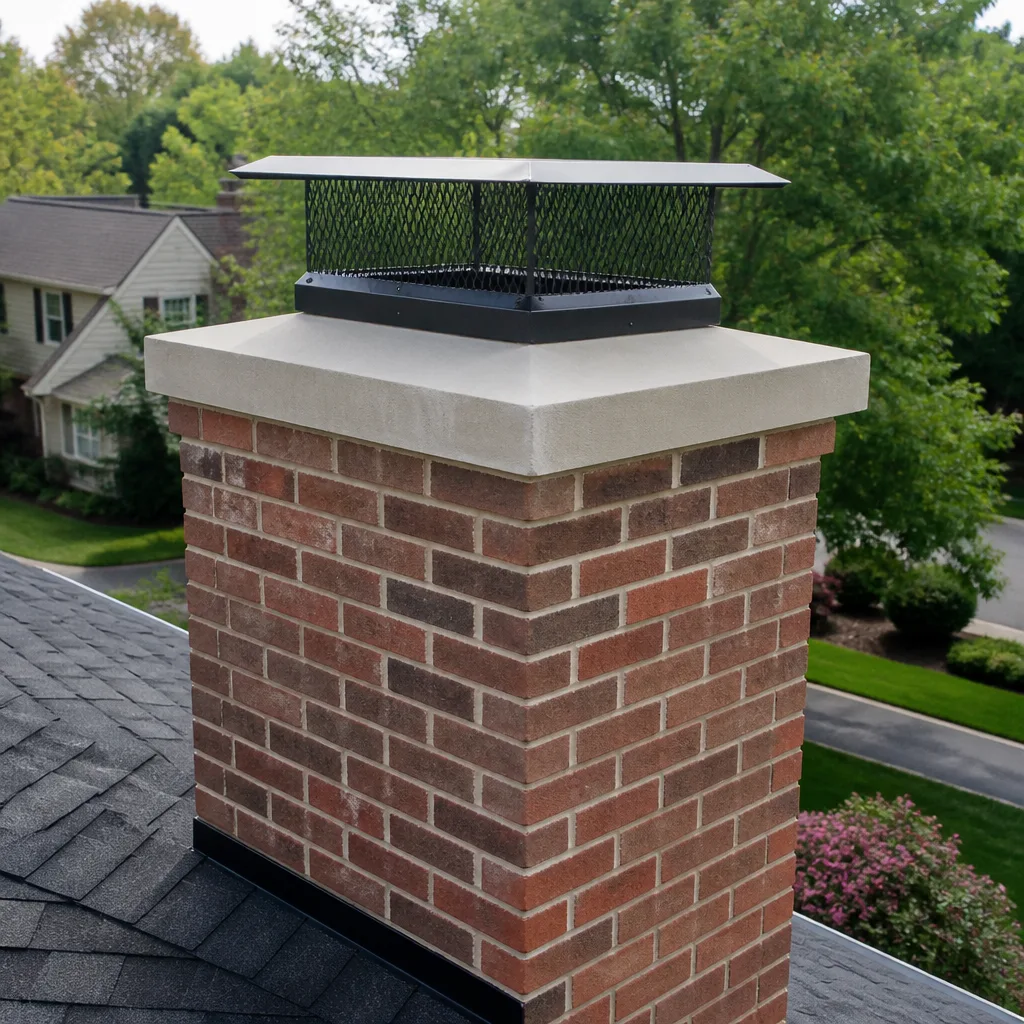 Caps & crowns
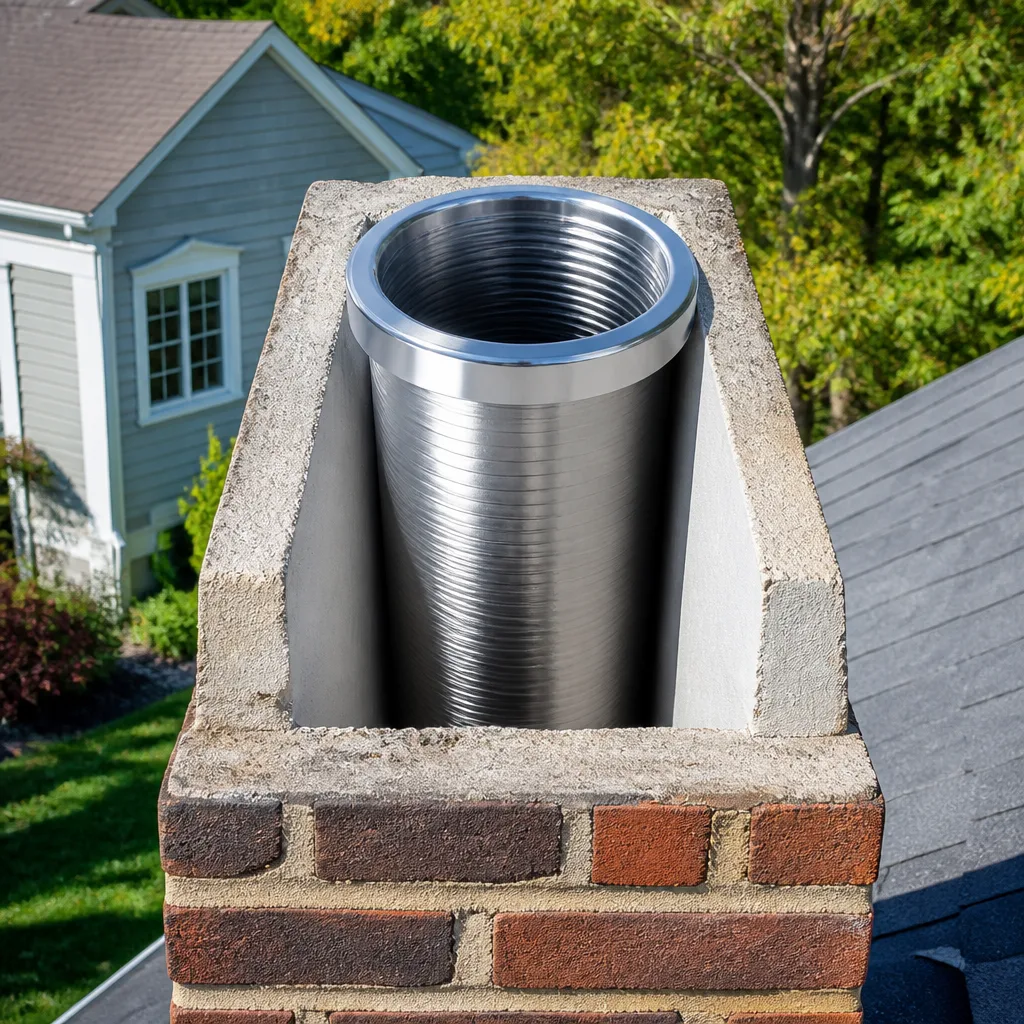 Flue relining
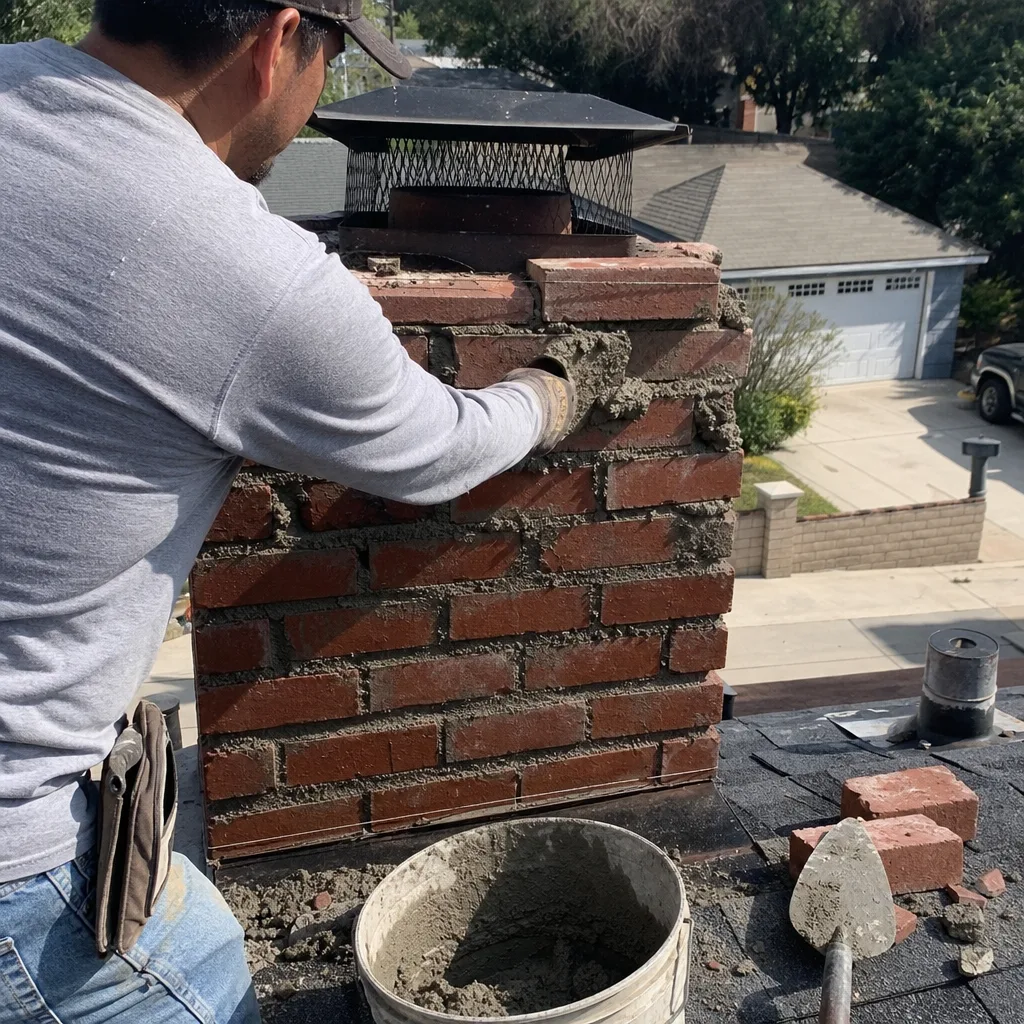
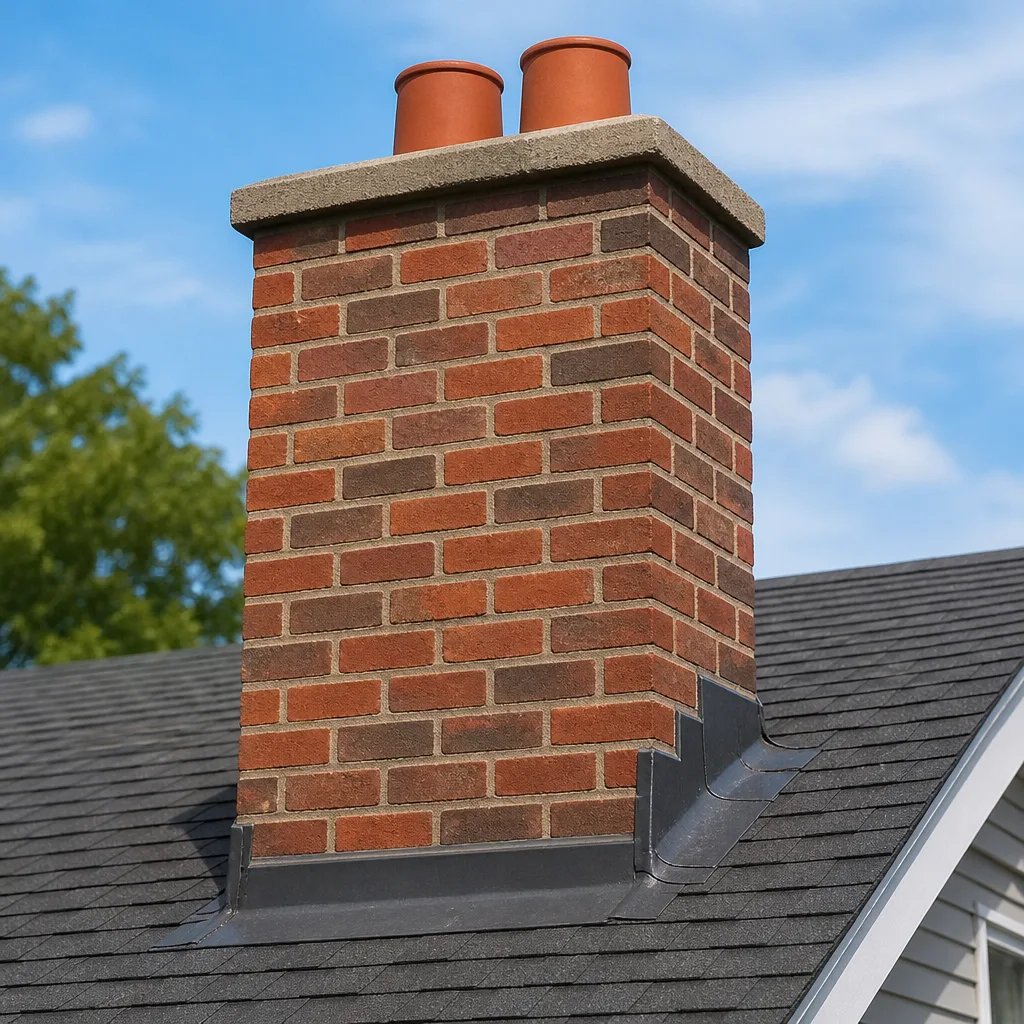 Masonry repair
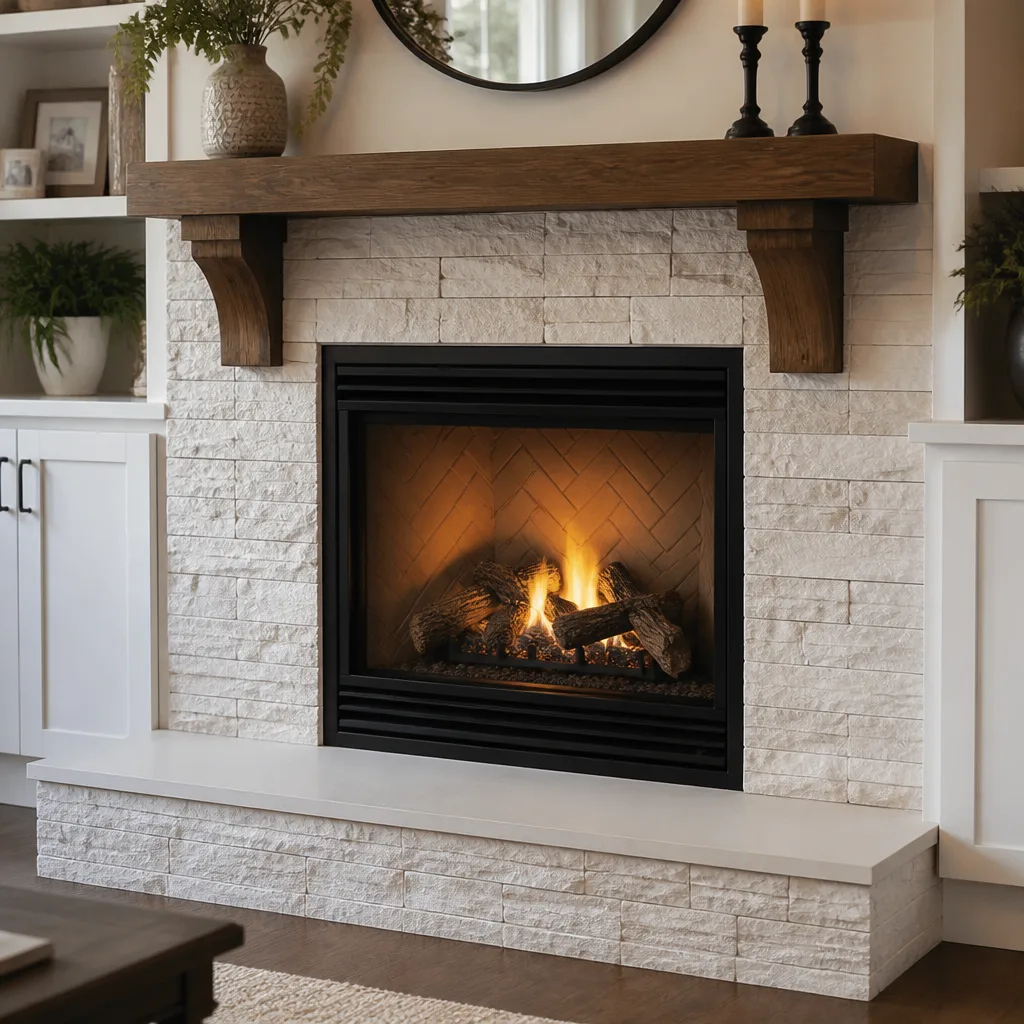 Gas fireplace service
Level 1 sweep and inspection to the NFPA 211 annual standard - flue, crown, cap, and flashing checked and photographed
Chimney sweep logs do not sweep chimneys. They loosen some creosote - which then falls where a brush and vacuum still have to collect it.
How to Hire a Chimney Cleaning Contractor in Sylmar: A Step-by-Step Guide
Here’s something most Sylmar homeowners don’t realize until it’s too late: California does not require a state license to clean chimneys. No exam, no apprenticeship, no credential check. The barrier to calling yourself a chimney sweep is owning a brush. That’s not an exaggeration, and it means the responsibility of vetting falls entirely on you. This guide walks through the exact questions to ask, the verification steps that separate full-system specialists from sweep-and-go operators, and the red flags that should send you calling someone else before you ever book an appointment.
Styles & brands we work with
- Sweep & inspection
- Caps & crowns
- Flue relining
- Masonry repair
- Gas fireplace service
Quick Answer
To hire a chimney cleaning contractor in Sylmar, verify CSIA certification through the public database rather than taking a website’s word for it, ask five diagnostic questions that reveal whether the company can repair what they find or only clean, and require a written inspection report with photos. The right hire is a full-system specialist who inspects before sweeping, documents findings, and can close the repair loop themselves. Chimney Sweep Sylmar home offers free estimates at (833) 620-0634.
Table of Contents
- Why Sylmar Homeowners Can’t Rely on Licenses Alone
- What CSIA Certification Actually Verifies (and How to Confirm It)
- The Five Questions to Ask Before Booking a Chimney Sweep
- How to Evaluate a Quote: Line Items, Red Flags, and Why the Lowest Bid Fails
- Why Hiring a Sweep Who Can Also Repair Matters
- What a Written Inspection Report Should Contain
- What Actually Happens During a Chimney Cleaning
- Common Mistakes to Avoid
- When to Call a Professional
- Frequently Asked Questions
- The Bottom Line
Why Sylmar Homeowners Can’t Rely on Licenses Alone
Most home service trades in California have a licensing structure. Electricians answer to the Contractors State License Board. Plumbers hold C-36 licenses. Roofers operate under C-39. Chimney sweeps? Nothing. The CSLB doesn’t issue a chimney sweep license because chimney cleaning isn’t classified as a construction trade requiring state oversight. A handyman with a truck, a ladder, and a wire brush from a Sylmar hardware store can legally advertise chimney cleaning services tomorrow morning. That’s not a hypothetical. We see the results of these jobs in Sylmar homes every season: creosote left in smoke chambers, flue liners scraped but never inspected, and homeowners handed verbal assurances instead of documentation.
The practical consequence is that hiring well requires you to substitute your own verification for the state’s absence. That means checking credentials independently, asking questions that reveal whether the company works to combustion-safety standards like those published by the NFPA (National Fire Protection Association), and demanding written evidence of what was found and what was done. If a contractor bristles at any of those requests, that’s information too. A professional who works to recognized standards has no reason to hide from verification. The rest of this guide gives you the exact steps.
What CSIA Certification Actually Verifies (and How to Confirm It)
CSIA stands for the Chimney Safety Institute of America. It’s the most widely recognized credential in the chimney industry, and unlike a trade license, it actually tests for the specific knowledge a chimney technician needs: fire codes, clearance requirements, draft dynamics, creosote chemistry, and inspection protocol. The certification is earned through a proctored exam, and maintaining it requires continuing education credits. In an unlicensed industry, CSIA is the closest thing to a legitimate paper trail of competence.
But here’s the part most homeowners skip: CSIA certification can be verified online in under two minutes. The institute maintains a public directory at csia.org where you can search for certified sweeps by name or company and confirm certification is current. In our experience, a meaningful percentage of contractors who claim CSIA credentials on their websites or trucks are not, in fact, listed in that directory. Sometimes they let a certification lapse. Sometimes the claim is borrowed from a former employee. Either way, it’s a five-minute check that tells you whether the company’s promises align with verifiable fact.
Certification matters in Sylmar specifically because of the housing stock. Much of this neighborhood was built between the 1950s and 1970s, and those original masonry chimneys have been through more than half a century of earthquakes, temperature swings, and Santa Ana wind seasons. A certified technician has been tested on the specific failure modes that affect older chimneys in exactly this climate. That’s not a formality. It’s the difference between someone who cleans what they can reach and someone who knows how to look for what’s failing inside the flue.
How to confirm CSIA certification:
- Ask the company directly: “Is your technician CSIA certified, and what is the certification number?”
- Go to the CSIA public directory and search by name or company.
- Check that the certification is current, not expired or suspended.
- Ask whether the person doing the actual work is certified, not just the company owner.
- If the answer is vague, wait, or the name isn’t in the directory, treat it as a red flag and keep looking.
The Five Questions to Ask Before Booking a Chimney Sweep
Good hires in Sylmar start with good questions. These five are designed to reveal whether you’re dealing with a company that can inspect, diagnose, and repair, or someone who can only push a brush. Each question matters, and each has a right answer. We’ve framed them with what to listen for.
Question 1: “Do you inspect before you sweep, and what does the inspection include?”
The correct answer is some version of yes, always, and here’s the scope. A professional sweep never starts by shoving a brush up the flue. We inspect first to understand what we’re dealing with: existing creosote levels, liner material and condition, any signs of water entry, the state of the crown and cap, and whether the appliance has clearance issues. The inspection tells us what cleaning method is safe for your specific chimney. If a company tells you they just start cleaning, that’s a sign they don’t know why inspection-first matters.
Question 2: “If you find a problem during cleaning, can you repair it, or do you refer out?”
This is the question that separates full-system specialists from sweep-and-go operators. A surprising percentage of Sylmar chimney companies clean only. They find a cracked flue tile or a deteriorating liner, hand you a note that says “needs repair,” and leave you to search for another contractor. That’s not malicious, but it’s incomplete. A company that can repair what it finds means the diagnostic loop closes in one appointment, not three. Chimney Repair in Sylmar covers relining with DuraFlex, flue resurfacing with HeatShield, and repairs using components from brands like Olympia Chimney. That’s a meaningfully different capabilities profile from a brush-and-bucket operator.
Question 3: “What does your written inspection report include?”
The right answer mentions photos, measurements, and a written list of findings with recommendations prioritized by urgency. We’ll cover this in detail later in the guide, but for now, know this: a company that offers only verbal findings is offering you no documented accountability. If something goes wrong later, you want a paper trail. A professional doesn’t hesitate to put findings in writing with photo evidence you can see with your own eyes.
Question 4: “What creosote level are you seeing, and what does that mean for my chimney?”
Creosote has three recognized grades. First-degree is a fine, sooty powder that brushes off easily. Second-degree is flaky, crusty, and slightly more adherent. Third-degree is tar-like, shiny, and hardened, often the result of low-temperature fires or unseasoned wood. Third-degree creosote is also a fuel source for chimney fires. A qualified sweep should be able to tell you what degree of creosote you have, why it formed (burning habits, wood condition, flue temperature), and what it means for your risk level. If the conversation never goes deeper than “we got it clean,” you’re not getting an inspection-grade assessment.
Question 5: “What’s your process for keeping my home clean during the sweep?”
This question tests whether the contractor has professional equipment or just a brush. The right answer describes a HEPA-filtered vacuum, drop cloths or floor protection, and an established cleaning protocol that keeps soot and ash out of your living space. A company that shows up without a proper vacuum or tells you “it might get a little dusty” is under-equipped in a way that matters. Chimney cleaning in Sylmar means working inside homes where dust containment is non-negotiable. Professional-grade equipment is a sign of professional-grade process.
How to Evaluate a Quote: Line Items, Red Flags, and Why the Lowest Bid Fails
Quotes in the chimney industry are inconsistently structured, which is precisely why a homeowner needs to know what a legitimate one should contain. A thorough sweep-and-inspection quote in Sylmar should include at minimum: the scope of cleaning, the level of inspection being performed, any appliance-specific considerations, and what’s included in the service (materials, protective equipment, clean-up). Here’s what separates a credible quote from a vague one.
What should appear on a chimney cleaning quote:
- Inspection scope: Either a Level 1 inspection (the standard for chimneys under routine maintenance with no changes to the system) or an explanation of why a Level 2 is needed (typically after a property transfer, an appliance change, or an event like an earthquake or chimney fire).
- Cleaning method and expected creosote handling: The quote should specify whether the flue will be cleaned by brush, rotary whip, or chemical treatment depending on creosote grade.
- Containment and clean-up provisions: Drop cloths, HEPA vacuum use, and a clean-workspace guarantee should be stated, not implied.
- Report deliverables: A written inspection report with photos should be a line item, not an afterthought.
- Repair findings and next steps: The quote should explain what happens if cleaning reveals liner damage, water intrusion, or other issues. If the company can’t repair, that’s disclosed here.
Red flags that should make you pause:
- A quote that’s just a number with no scope description. If everything is bundled under “chimney cleaning,” you have no idea what’s actually included.
- A price dramatically below the Sylmar market norm for the stated scope. In this market, a sweep-and-inspection typically runs between $200 and $450 depending on flue type, accessibility, and creosote condition. A $79 special almost always means a brush-through with no inspection, no report, and no diagnostic value.
- Pressure to book immediately with a “today only” discount. Professional chimney companies schedule work; they don’t run high-pressure sales scripts.
- A quote that doesn’t mention the inspection. Cleaning without inspection is a service that misses the entire point: you’re paying for safety verification, not just ash removal.
The lowest bid fails in chimney work more consistently than in almost any other trade. Why? Because the cost of a proper sweep includes real equipment, training, insurance, and time spent on inspection and documentation. A company cutting the price to attract volume is cutting something else: the inspection, the report, the equipment, or the training. In Sylmar, where many homes still have original masonry chimneys from mid-century construction, the diagnostic value of a properly conducted sweep is the entire point. You’re not paying for a cleaner flue only. You’re paying for verified knowledge that your chimney is safe to use until the next inspection.
Why Hiring a Sweep Who Can Also Repair Matters
Here’s the scenario that plays out thousands of times each year in homes across the San Fernando Valley: a homeowner dutifully schedules a chimney cleaning, the sweep finds a cracked flue tile or deteriorating mortar joint, and the homeowner is handed a verbal warning and sent back to Google to find a repair contractor. Our Chimney Cleaning Emergency Preparedness Guide for Sylmar Homes covers how to avoid this situation. That second search means another round of calls, another round of quotes, another contractor walking through your home, and often weeks of delay before the repair is actually scheduled. In the meantime, the chimney either goes unused or, worse, gets used with a known defect.
The alternative is hiring a company that can close the loop. Chimney Sweep in Sylmar works this way: inspect, sweep, and if the findings reveal liner damage or structural issues, handle the repair directly. That repair capability is built on access to professional-grade products from manufacturers like DuraFlex (flexible liner systems) and HeatShield (a resurfacing compound that can restore a deteriorating flue without full demolition). Most handyman-level operators cannot source these products, let alone install them correctly. That’s a meaningful distinction: it separates surface cleaning from full-system service.
There’s also a practical advantage when the same company handles cleaning and repair: continuity of knowledge. The person who swept your chimney knows exactly what the creosote levels looked like, where the tight spots were, and what the liner condition was at every point along the flue. That context informs the repair. When you hire a second company to fix what the first company found, the repair contractor starts from scratch, often requiring another inspection and another paid visit. One call for sweep, repair, and dryer vent work is not just convenient, it’s structurally more efficient for you as the homeowner.
For Sylmar homeowners, this matters because of the local climate. Our hot, dry summers and Santa Ana-driven temperature swings stress masonry and liner joints year after year. The homes here are aging, and their chimneys are aging with them. A sweep who can also repair means the annual cleaning visit doubles as an early-warning system for structural issues that, left unaddressed, become expensive. Creosote removal is the start of the job, not the entirety of it. We inspect before we sweep, and we repair what we find.
What a Written Inspection Report Should Contain
If you hire a chimney company and receive only a verbal summary, you have received one thing: a statement you can’t verify, cite, or revisit. That’s a professional accountability gap. A written inspection report is the minimum standard for any legitimate sweep, and it should include enough specificity that you could hand the document to a different contractor and they could act on it. Here’s what a proper report from a Sylmar chimney company should contain.
A written inspection report should include:
- Photos of the flue, liner, smoke chamber, and firebox. These are now standard practice using professional-grade camera systems. If a company doesn’t offer photos, ask why.
- Creosote level assessment. First, second, or third degree, with notes on what it means for safe operation and when the next cleaning should occur.
- Liner condition assessment. Material type (clay tile, stainless, cast-in-place), observed condition, and any cracks, spalling, or deterioration noted with locations.
- Structural observations. Crown condition, mortar joint integrity, flashing condition at the roofline, and any signs of water entry or spalling brick.
- Appliance-specific findings. Damper function, smoke chamber condition, and any clearance-to-combustibles issues visible during inspection.
- Prioritized recommendations. What requires immediate attention, what should be scheduled soon, and what can wait until the next inspection. Nothing is recommended without camera evidence the homeowner can see.
Verbal-only findings create a specific risk: without documentation, there’s no way to compare condition year over year. A photo from 2024 and a photo from 2025 tell you whether a crack is growing or stable. That’s the kind of longitudinal information that prevents unnecessary repairs and catches real ones early. In our work across Sylmar, we’ve seen homeowners incorrectly told by sweep-and-go operators that they “need” a new liner when the actual issue was a deteriorating mortar joint repairable at a fraction of the cost. A written report with photos is your protection against both false alarms and missed problems.
What Actually Happens During a Chimney Cleaning
Understanding what a proper chimney cleaning involves helps you evaluate whether the service you receive matches what you paid for. A professional sweep in Sylmar follows a defined process, and it looks different from what most people imagine. It’s not a guy with a brush. It’s a systematic procedure designed around inspection, efficiency, and clean working conditions.
The standard process for a full sweep and inspection:
- Pre-service inspection. The technician examines the accessible portions of the chimney, the appliance, and the roof. This determines what cleaning method is appropriate and whether any conditions (animal nesting, water damage, structural issues) require special handling.
- Workspace preparation. Drop cloths are laid, the HEPA vacuum is set up, and the home is protected from soot and ash. Professional equipment matters here: the vacuum, not a tarp, is what keeps your living room clean.
- Flue cleaning. The technician cleans the flue from the roof or from inside the firebox, depending on chimney configuration. Rotary whip systems are common for second- and third-degree creosote. Brush cleaning handles standard first-degree accumulation.
- Smoke chamber and firebox cleaning. The full chimney system, not just the flue, gets attention. Creosote accumulates in the smoke chamber and firebox, and leaving it there is a half-finished job.
- Post-clean inspection and camera documentation. This is where the diagnostic value lives. The technician re-inspects the flue, runs camera footage, and documents liner condition. Findings are recorded for the written report.
- Report delivery and recommendations. The homeowner receives a written report with photos and prioritized recommendations. If repairs are warranted, they’re discussed with evidence, not asserted without proof.
That’s the process. It typically takes one to two hours depending on flue condition and accessibility. A “chimney cleaning” that takes 30 minutes and produces no documentation skipped some of these steps. In Sylmar, with the age of our housing stock and the accumulation rates we see from regular winter fireplace use, a thorough service is the only kind that delivers what a homeowner should expect.
Common Mistakes to Avoid
- Hiring based on price alone. A $79 cleaning special sounds appealing until you realize it covers only a surface brush-through with no inspection, no report, and no diagnostic value. In Sylmar, a legitimate sweep with inspection runs two to four times that price for a reason.
- Not checking CSIA certification independently. Websites can claim anything. The public database takes two minutes to search, and it reveals whether the claim is current or lapsed. Skipping this step means hiring blind.
- Accepting verbal findings without documentation. If a technician tells you your liner is cracked and you need a $4,000 repair, ask to see the camera footage. No photos means no verification, and no verification means you’re trusting an unverified claim about a significant expense.
- Hiring a company that cannot repair what it finds. This creates a two-contractor process where the second company has to re-inspect what the first already looked at, adding cost and delay. A full-system specialist closes the loop in one relationship.
- Ignoring dryer vent maintenance in the same call. Sylmar homes with attached garages and utility rooms accumulate lint faster than homeowners expect, and dryer vent fires are a leading residential fire cause. Dryer Vent Cleaning in Sylmar is a natural add-on to a chimney visit.
- Waiting until the chimney has visible problems. Creosote accumulation and liner deterioration develop silently. By the time a homeowner notices smoke backing up or a burning smell, the issue is often past routine maintenance and into repair territory. Annual inspection is the prevention.
- Skipping the pre-hire questions. The five questions in this guide take ten minutes to ask over the phone. Skipping them means finding out a company can’t inspect, can’t document, or can’t repair after they’re already in your home.
When to Call a Professional
Annual inspection is the baseline recommendation from the NFPA and the Chimney Safety Institute of America, and that holds for every Sylmar home with a working fireplace, wood stove, or gas appliance vented through a chimney. For seasonal chimney cleaning care for Sylmar: year-round homeowner’s guide details on timing your service. Check twice annually if you burn more than two cords of wood per season or use the fireplace as a primary heat source. Call sooner if you notice smoke backing into the room, a strong creosote odor during humid weather, visible soot falling into the firebox, or signs of water staining on the ceiling near the chimney. If you’ve moved into a new home in Sylmar and have no record of the last chimney service, schedule a Level 2 inspection before your first fire. Chimney Sweep Sylmar offers free estimates in Sylmar, call (833) 620-0634 to schedule.
Frequently Asked Questions
A professional chimney sweep with inspection in Sylmar typically runs between $200 and $450 depending on flue type, creosote level, roof accessibility, and whether the chimney has been maintained regularly. See our Chimney Cleaning Cost Breakdown: The Sylmar Homeowner’s Reference for 2026 for detailed pricing factors. A full-system sweep that includes camera inspection and a written report sits at the higher end of that range because of the diagnostic value. Anyone quoting significantly less is likely performing a brush-through without the inspection that makes the service worthwhile. Call (833) 620-0634 for an exact quote, estimates are free.
At minimum annually if you use your fireplace or wood stove at all during the winter months. Homes that burn two or more cords of wood per season or burn unseasoned wood should consider twice-yearly service. Gas appliance venting should be inspected annually even though creosote accumulation is less of a factor. Sylmar’s winter burn season, roughly November through March, means scheduling in late summer or early fall before the demand surge is the practical window.
Cleaning removes accumulated creosote and soot from the flue, smoke chamber, and firebox. Inspection is the diagnostic process of evaluating the structural condition of the chimney system, including liner integrity, mortar joints, crown condition, flashing, and clearances. A professional service does both in the same visit, inspection before and after cleaning. A cleaning without an inspection leaves you with a flue that’s clean but unverified for safe operation.
You can physically purchase a chimney brush at a hardware store and attempt the job yourself, but doing so means working on a roof in Sylmar, often on a steep pitch, with no inspection capability and no way to assess liner condition or structural issues. Creosote removal is only the surface layer of what professional service provides. More importantly, chimney work involves genuine hazards: roof work, creosote inhalation, and the risk of damaging a liner you didn’t know was already compromised. This is a job for a trained professional, and the cost of a proper sweep is modest compared to the risk of doing it wrong.
The only reliable way is a camera inspection that shows the liner’s interior condition. Cracked clay tiles, spalling, gaps between tile sections, or visible deterioration in a stainless liner all indicate the need for repair. Some liner damage can be resurfaced with HeatShield, a compound applied inside the flue that restores integrity without full replacement. More extensive damage requires a flexible liner system like DuraFlex. Every recommendation should come with camera evidence you can see, and no repair should be proposed without it. Call (833) 620-0634 to schedule an inspection with documentation.
Yes, when the company uses professional containment equipment. A HEPA-filtered vacuum, drop cloths, and an established clean-work protocol keep soot and ash out of your living space. Companies that clean without proper vacuum systems create a dust problem that homeowners remember for weeks. Ask about containment before booking, and if the answer is vague, that’s a signal about the overall professionalism of the operation.
The Bottom Line
Hiring a chimney cleaning contractor in Sylmar well comes down to three things: verify credentials independently, ask the diagnostic questions that reveal capability, and demand written documentation of findings. For more guides & resources on protecting your home, explore our blog. California’s lack of a state licensing requirement puts the burden of vetting on you, but the process isn’t complicated once you know what to look for. A full-system specialist who inspects before sweeping, works to CSIA and NFPA standards, offers camera-documented inspection reports, and can repair what they find is the hire that protects your home in the long run. Anything less is a partial service dressed up as a complete one. Chimney health from top to bottom starts with a good hire, call (833) 620-0634 for a free estimate and a conversation about what your chimney actually needs.
Written by the team at Chimney Sweep Sylmar, serving Sylmar since 2013.
See the difference
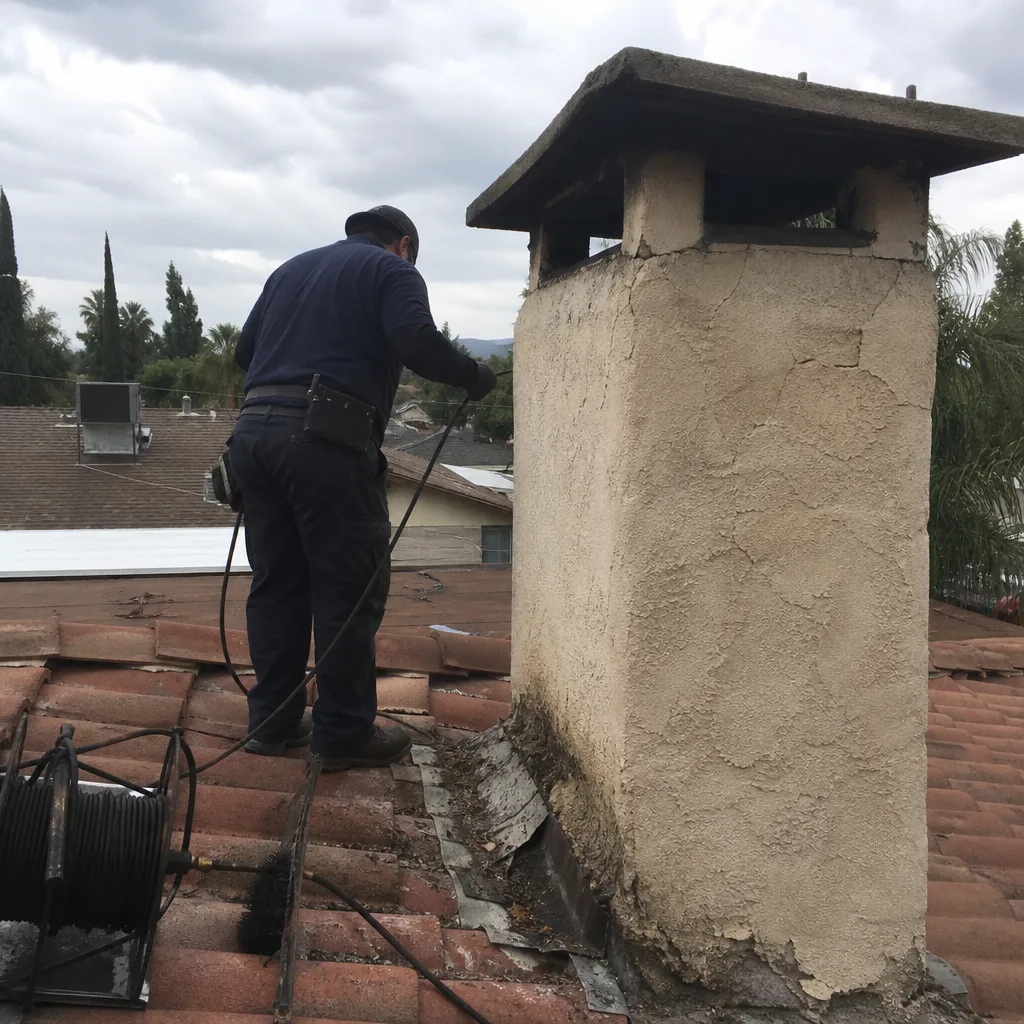 Before
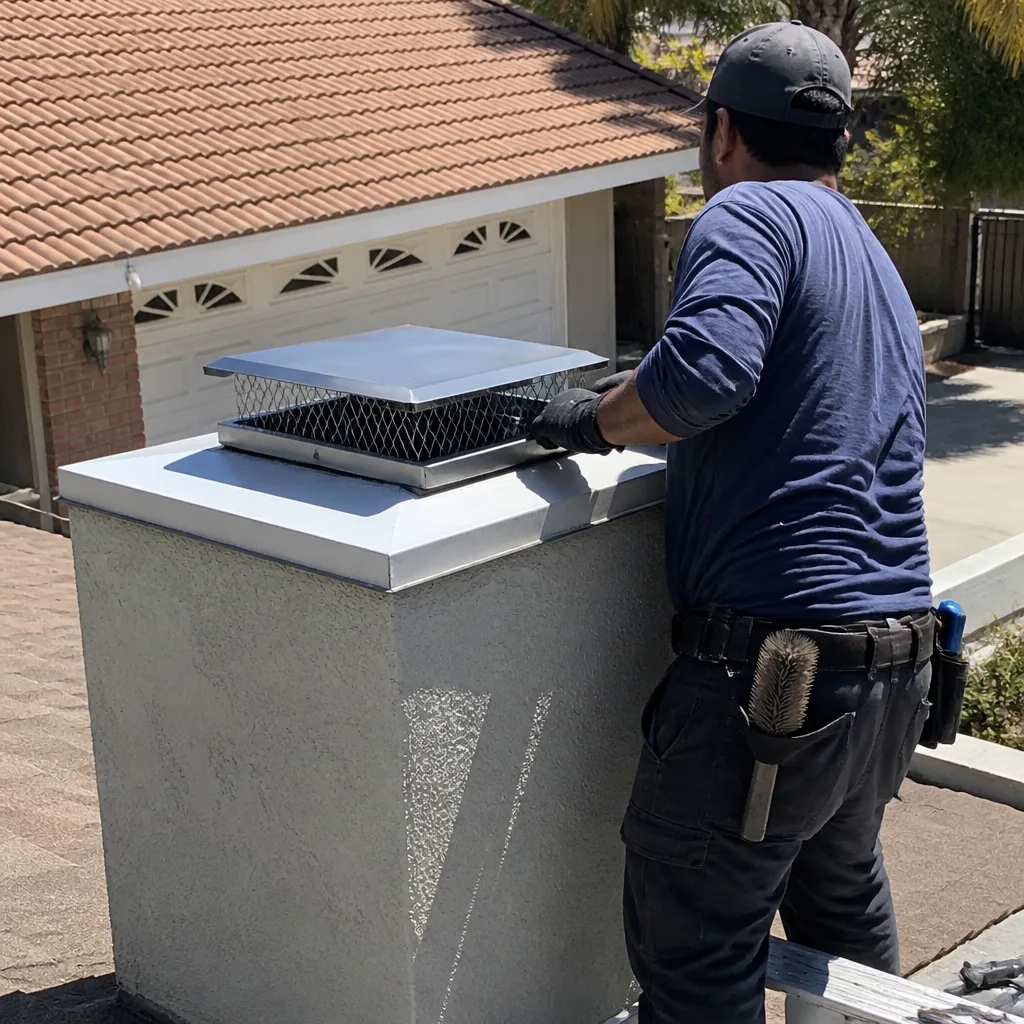 After
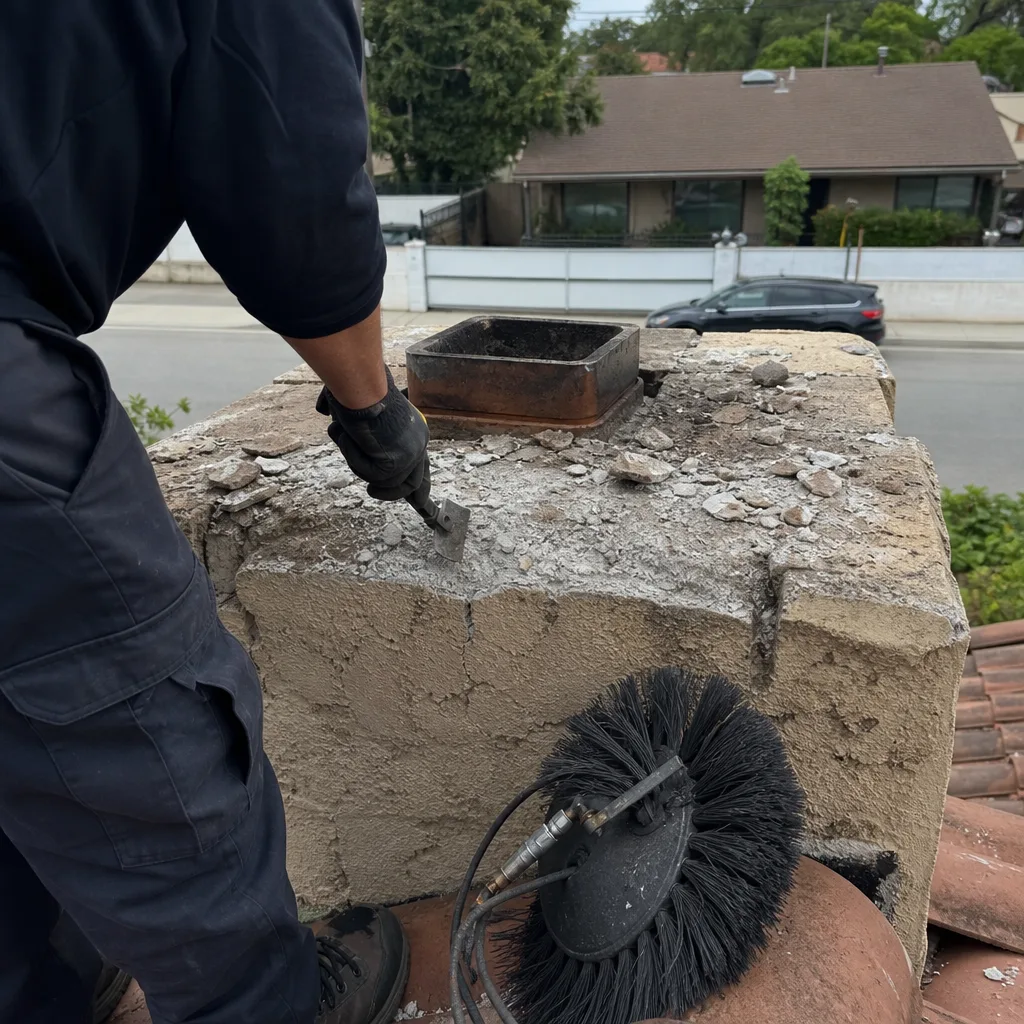 Before
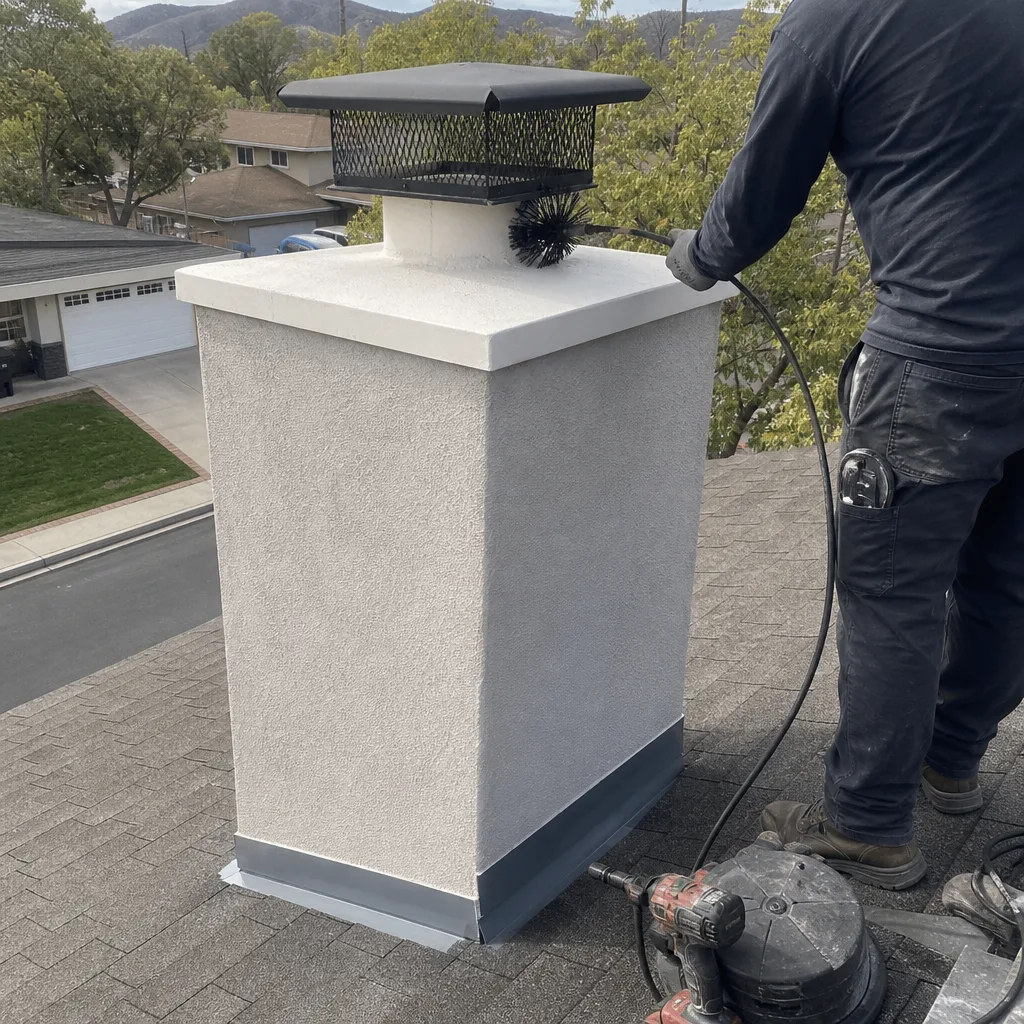 After
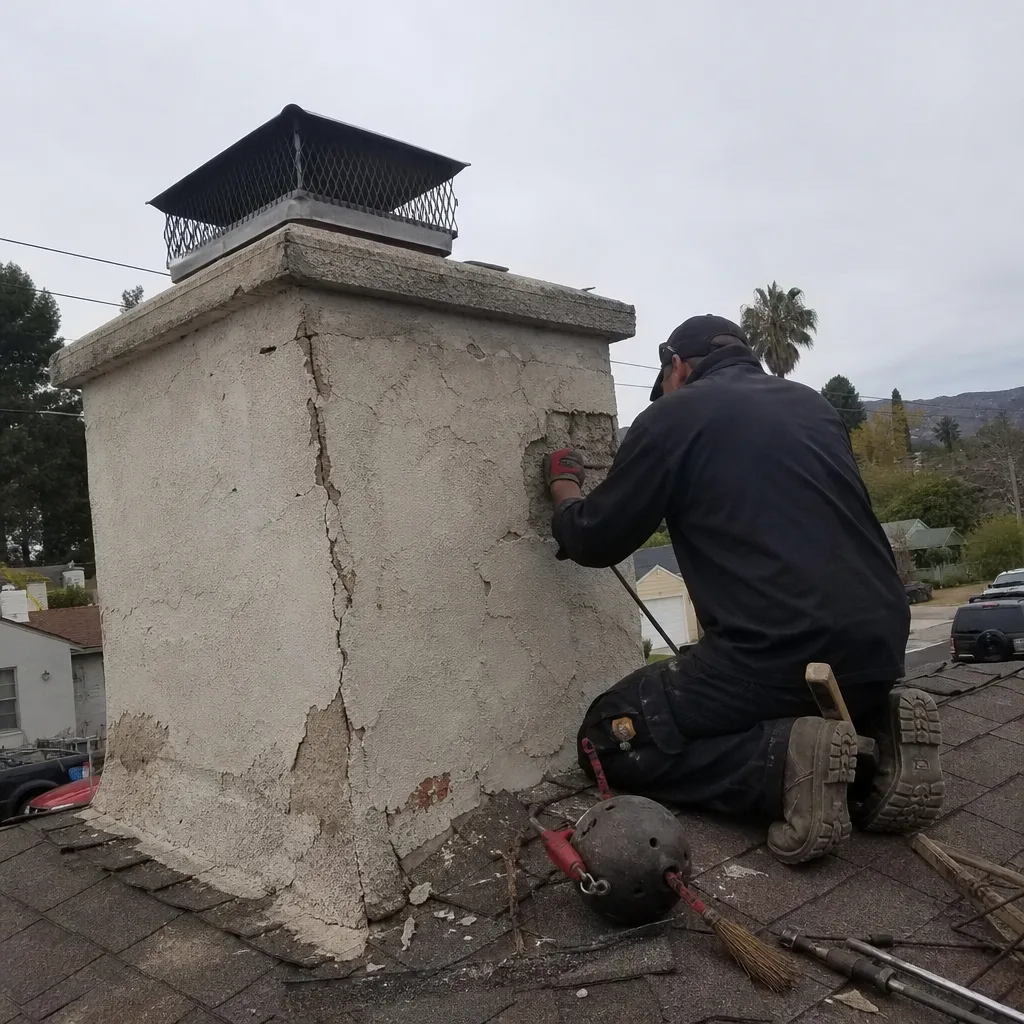 Before
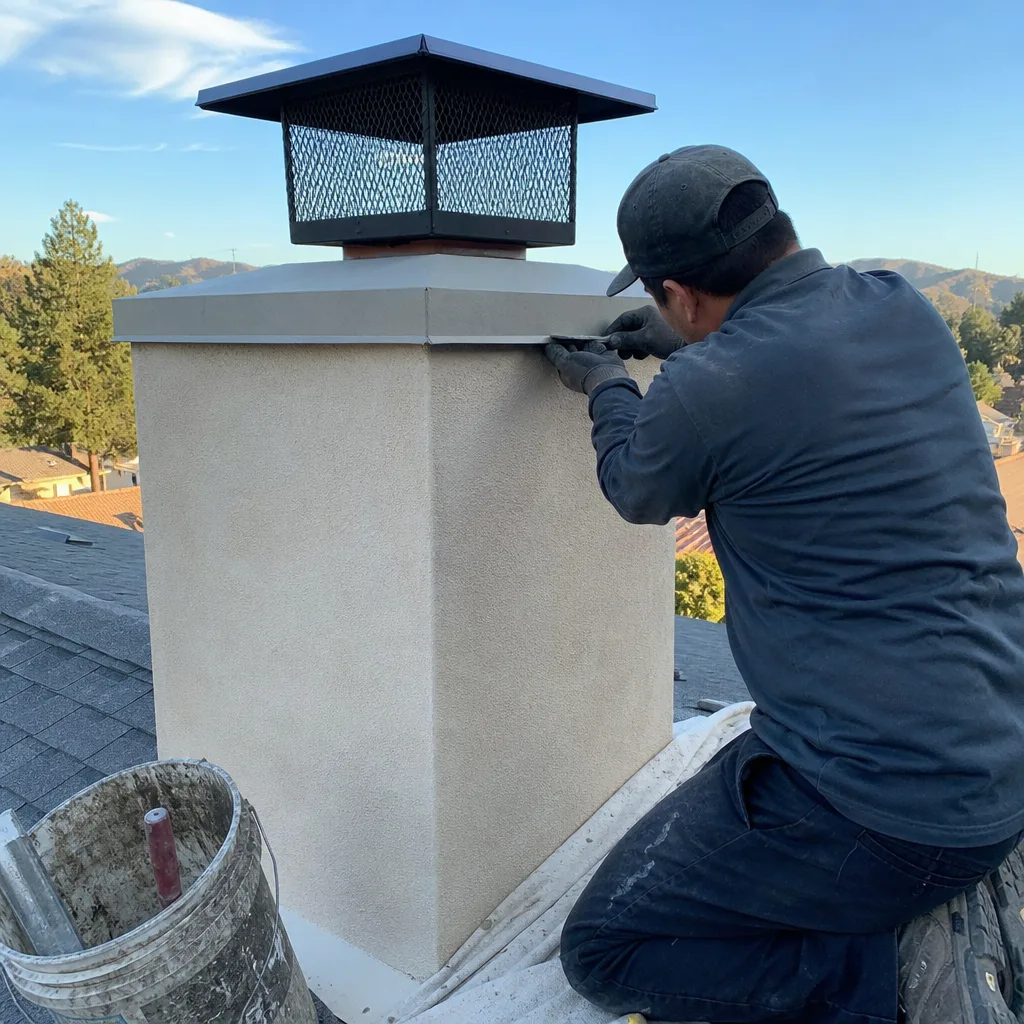 After