
Last updated November 2, 2026
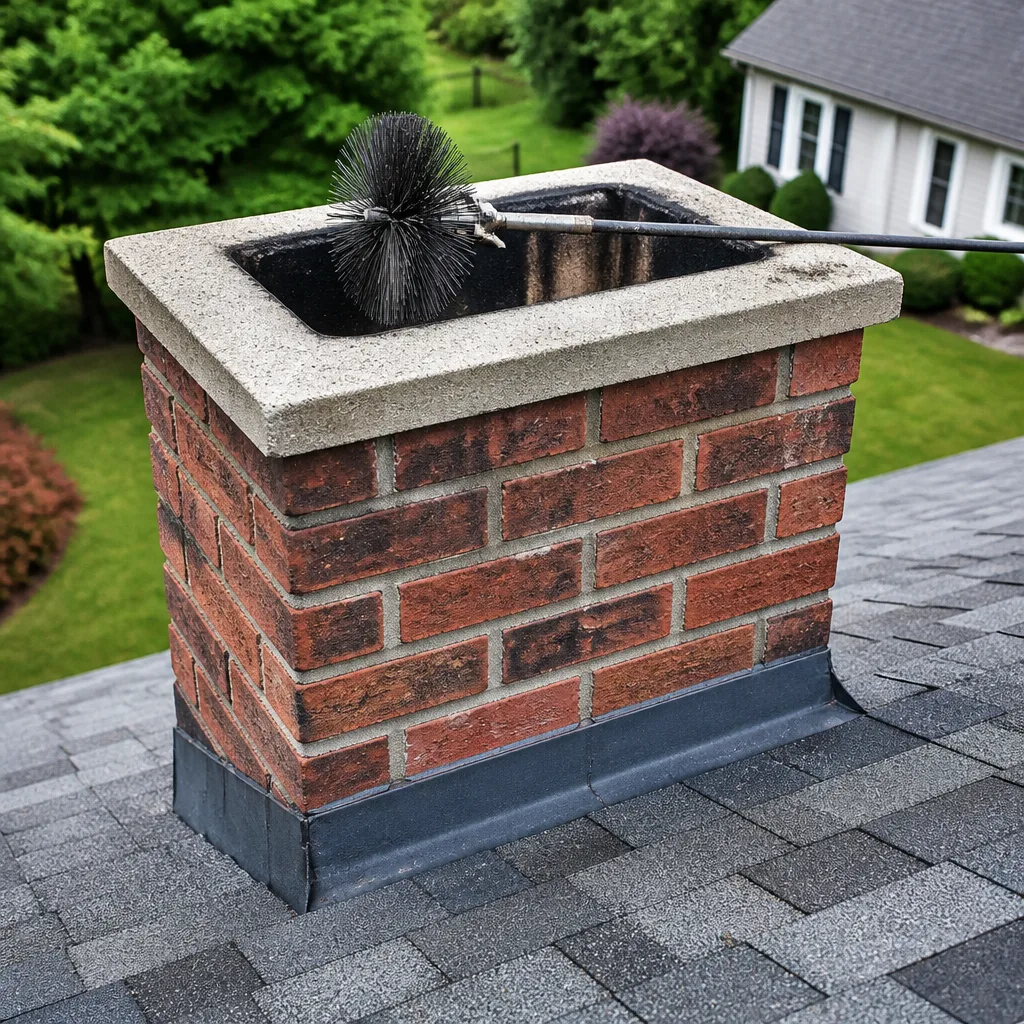 Sweep & inspection
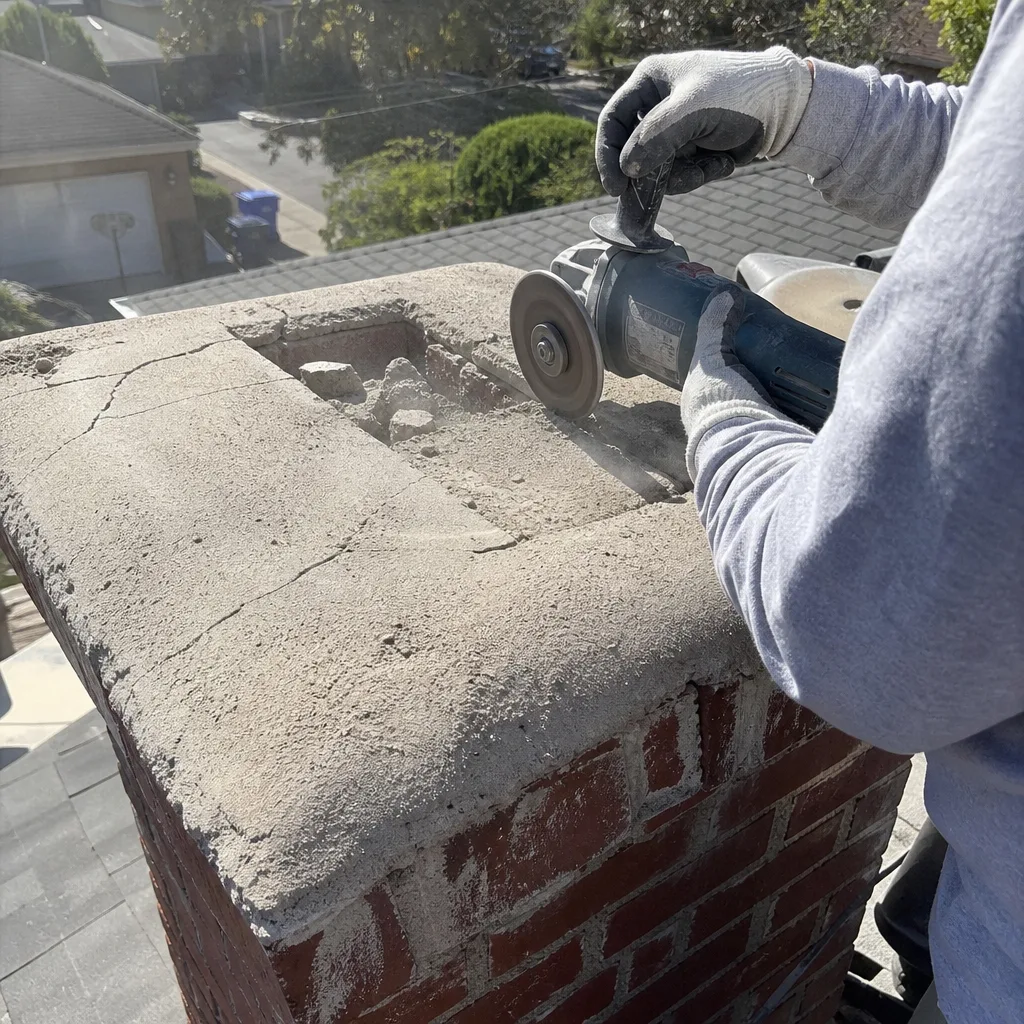
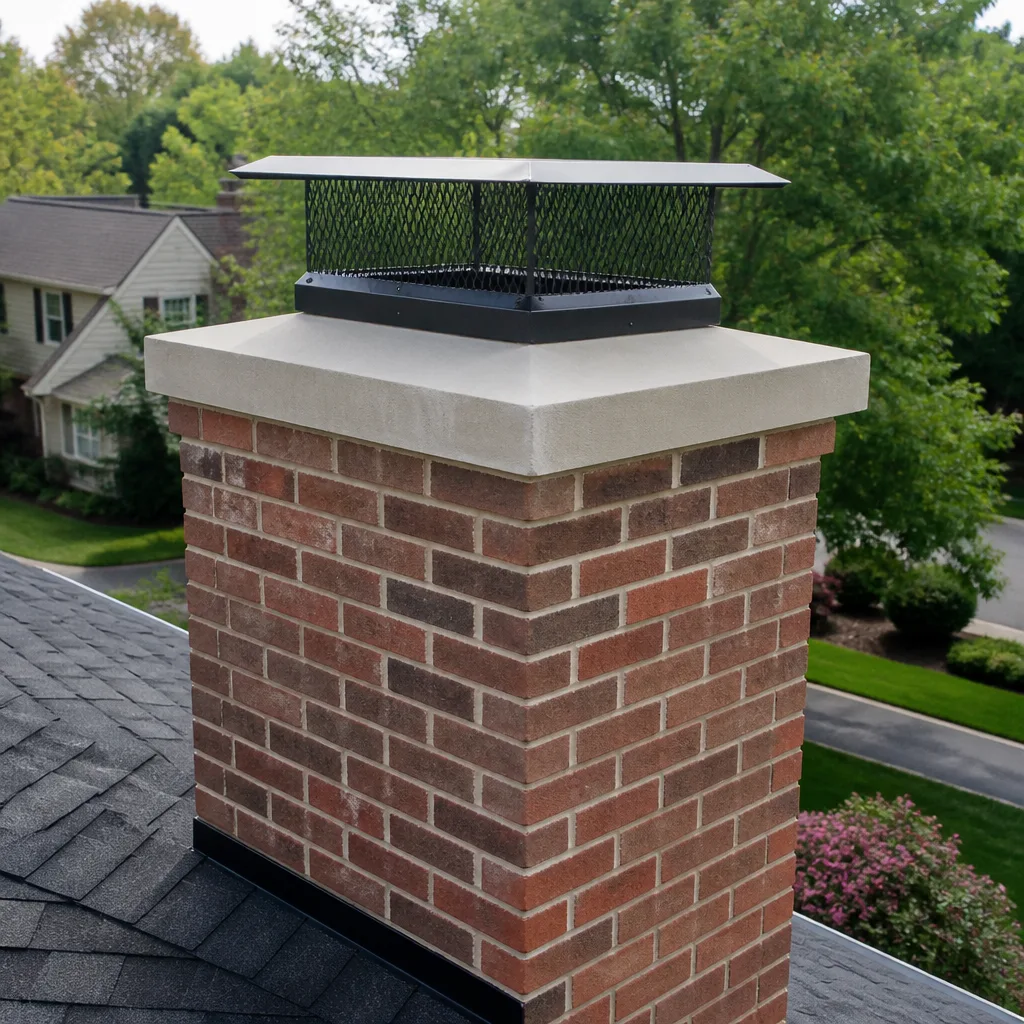 Caps & crowns
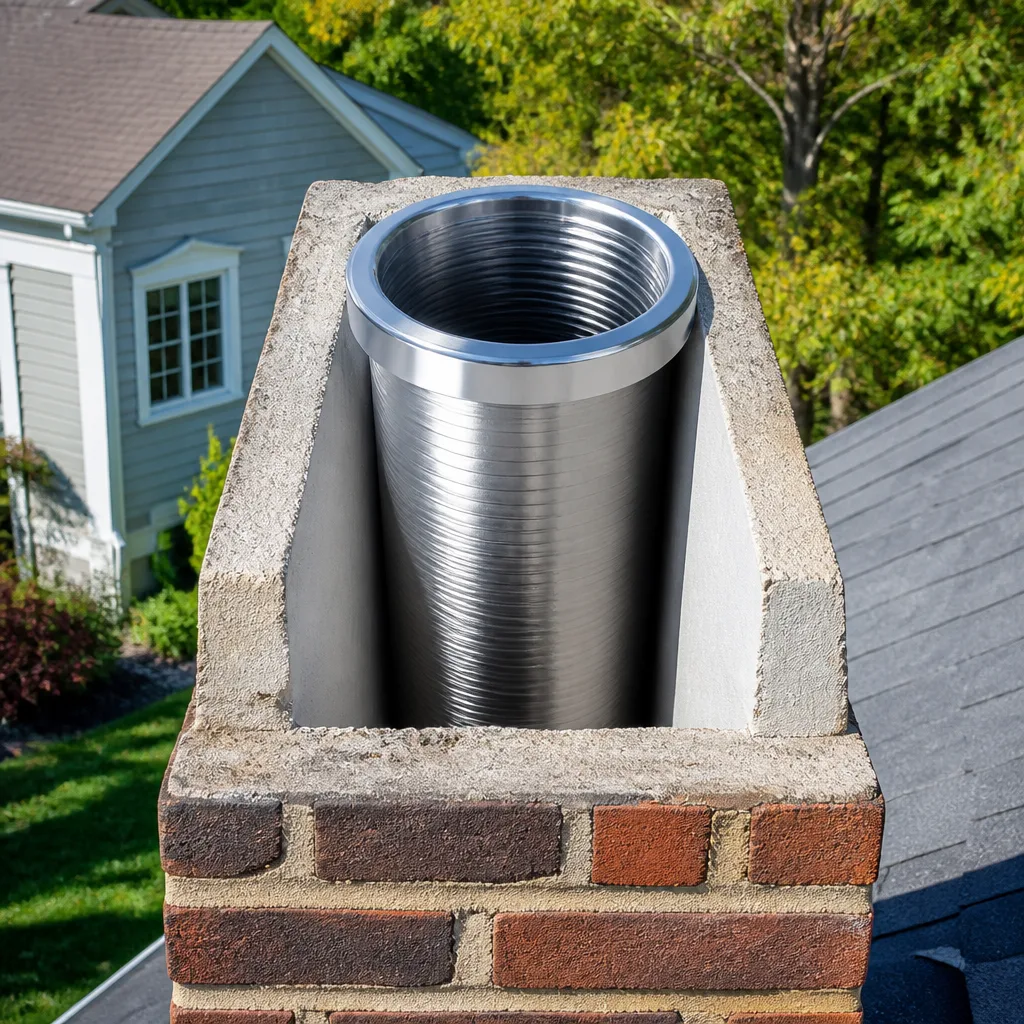 Flue relining
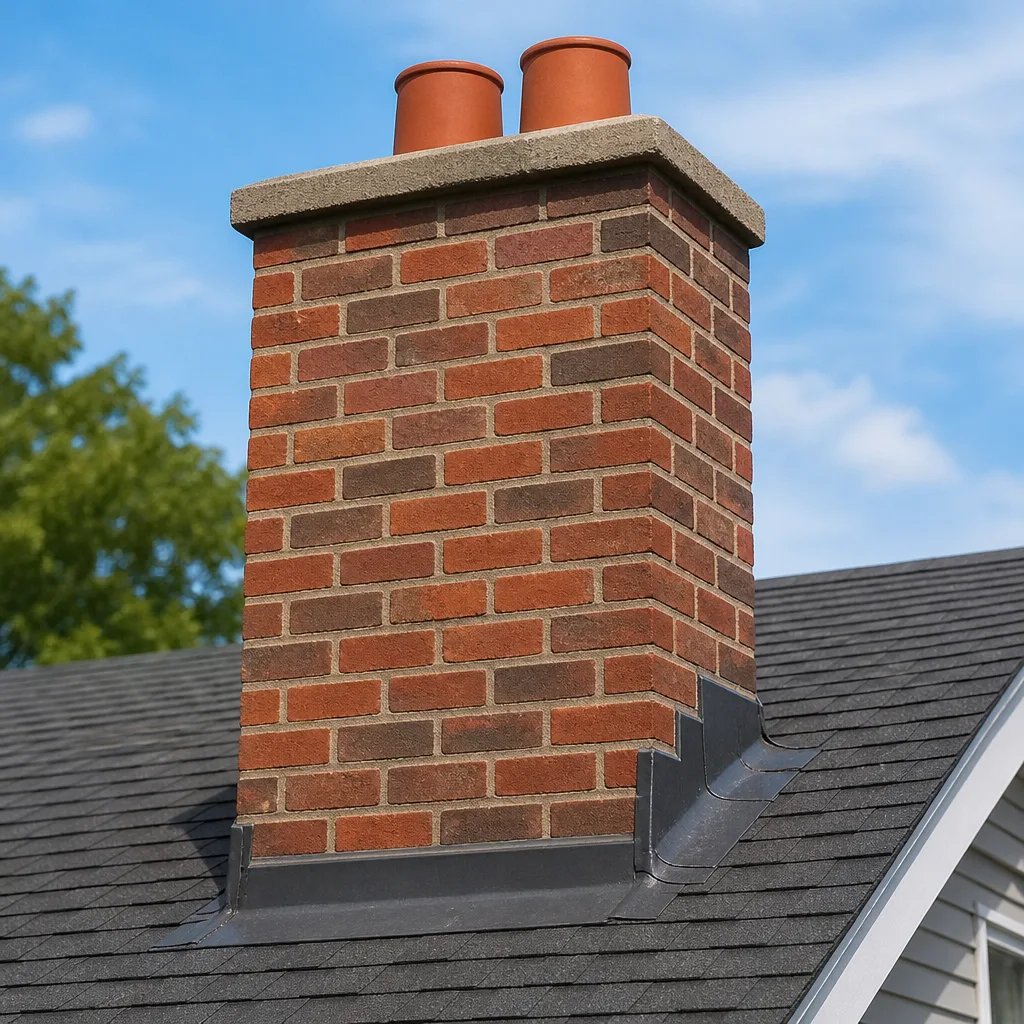 Masonry repair
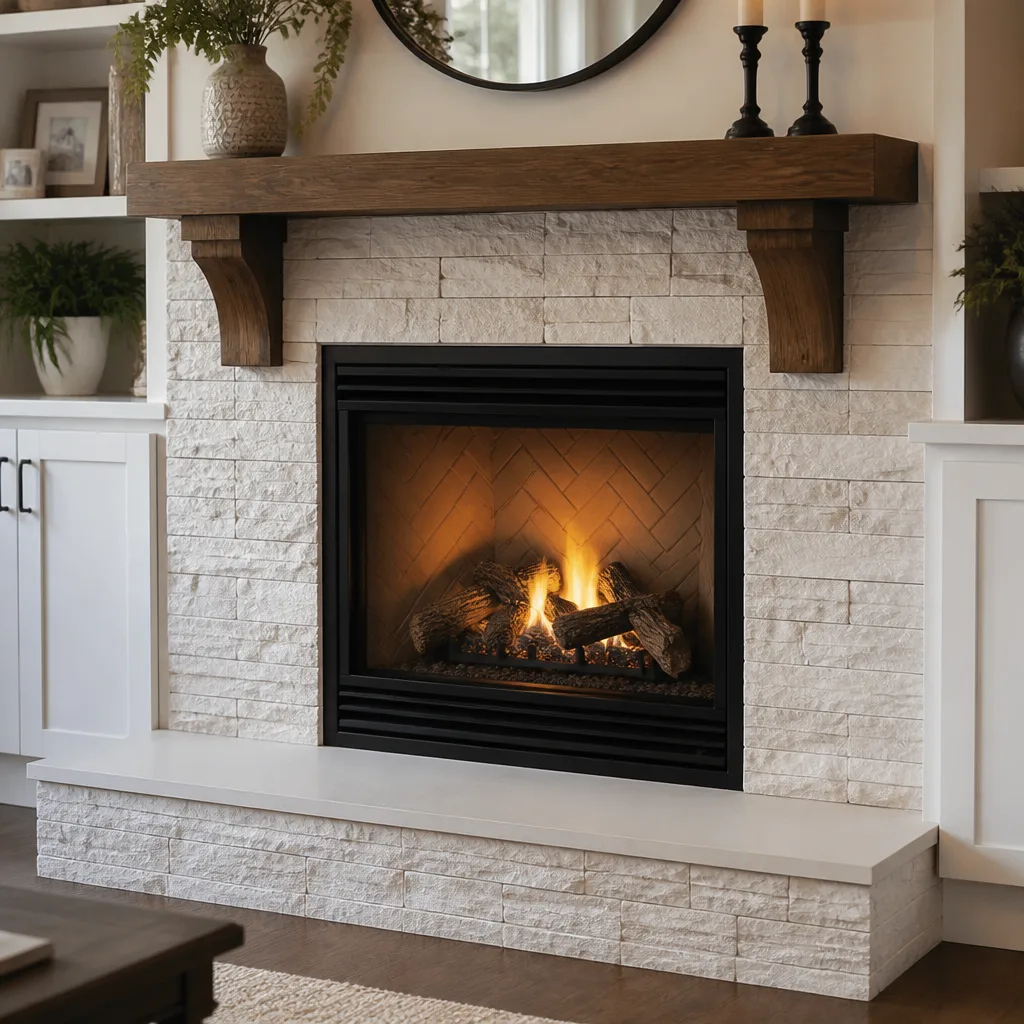 Gas fireplace service
Level 1 sweep and inspection to the NFPA 211 annual standard - flue, crown, cap, and flashing checked and photographed
Chimney sweep logs do not sweep chimneys. They loosen some creosote - which then falls where a brush and vacuum still have to collect it.
Seasonal Chimney Cleaning Care for Sylmar: Year-Round Homeowner’s Guide
The standard advice you’ll find on most chimney websites goes something like this: “Schedule your chimney cleaning in early fall, before the burning season starts.” That guidance was written for Minnesota, for New England, for places where winter means freezing temperatures and a fireplace that runs daily for five months. Sylmar breaks that model completely. Here, winter is the season you burn least, while the actual threats to your chimney system arrive during the months most guides ignore entirely: July heat waves that bake your crown until it cracks, September wildfire smoke that coats your flue with acidic particulate, and October Santa Ana winds that drive ash and debris down an uncapped flue while everyone’s attention is on fire risk elsewhere. This guide rebuilds the year-round chimney care calendar around Sylmar’s actual climate, not a generic seasonal template, and points you to more guides & resources for ongoing maintenance. You’ll learn what to inspect each month, why post-wildfire-season cleaning matters more than pre-season preparation here, and how to adapt maintenance to how often you actually use your fireplace.
Quick Answer
In Sylmar, chimney maintenance follows a four-season calendar driven by climate, not temperature. Spring means checking caps and spark arrestors for nesting activity following mild winter conditions. Summer heat stresses crowns and mortar joints, so a July visual inspection catches cracking early. Early fall, ideally September or October, is the most critical cleaning window because it removes wildfire ash and Santa Ana debris accumulated since spring. Winter cleaning is optional for most Sylmar homeowners since burn frequency is typically under ten fires per year. The short version: inspect in summer, clean after fire season, and don’t wait until November.
Styles & brands we work with
- Sweep & inspection
- Caps & crowns
- Flue relining
- Masonry repair
- Gas fireplace service
Table of Contents
- Why Sylmar Breaks Every Seasonal Chimney Rule
- Spring: Nesting Season and the Chimney Cap
- Summer: Heat Damage to Crowns, Liners, and Caps
- Fall: The Real Cleaning Season in Sylmar
- Winter: What “Fewer Than 10 Fires” Means for Maintenance
- Santa Ana Season: Wind, Ash, and What Gets Pulled Down Your Flue
- The Month-by-Month Sylmar Maintenance Calendar
- What Seasonal Care Actually Costs in Sylmar
Why Sylmar Breaks Every Seasonal Chimney Rule
The chimney industry’s standardized calendar assumes a heating season that stretches from October through March, with intense daily use and creosote accumulation as the primary threat. Sylmar’s reality is different. Our winters hover in the 50s and 60s, and most homeowners in this part of the San Fernando Valley use their fireplace for ambiance on cool evenings rather than as a primary heat source. That means creosote buildup, the central concern in cold-climate chimney care, is rarely the urgent problem here. What actually threatens chimneys in Sylmar is a combination of seasonal factors that most guides never mention.
The four real seasons for your chimney in Sylmar:
- Nesting season (March through June): Mild temperatures mean birds, squirrels, and rodents stay active year-round. They don’t migrate, and they don’t hibernate. Your chimney looks like a protected cavity to them in April just as much as in November.
- Heat season (July through September): Tripling-digit temperatures bake the masonry crown on top of your chimney. Thermal expansion and contraction over multiple heat waves creates hairline cracks that let water in during the winter’s occasional rains.
- Fire season (August through November): Wildfire smoke carries fine particulate, creosote-like residues, and acidic compounds into uncapped or open chimneys. This is not the creosote of wood combustion, but it coats flue walls and accelerates deterioration of liner materials.
- Santa Ana season (October through January): Sustained high winds pull debris, ash, and even embers down uncapped flues. They also drive particulate matter from the air into every gap in your chimney system.
The result is that a chimney in Sylmar needs cleaning and inspection on a timeline that starts in late summer, not late fall. The single most important shift in thinking is this: post-fire-season cleaning, not pre-winter cleaning, is what keeps a Sylmar chimney safe and functional.
Chimney Sweep Sylmar home services reflect this local reality because we operate in this climate every day, not from a textbook written for New England.
Spring: Nesting Season and the Chimney Cap
Most guides written for cold climates treat spring as the season you stop thinking about your chimney. Snow has melted, the fireplace sits dormant, and the next cleaning is months away. In Sylmar, spring is when your chimney is most likely to become something’s home. House sparrows, starlings, and squirrels all nest in open chimneys during the spring months, and because our temperatures remain mild year-round, the nesting season starts earlier and ends later than it does in colder regions.
A chimney cap with intact mesh is the difference between a chimney that stays clear and one that becomes a nesting cavity. The mesh on a well-built cap keeps birds and small animals out while allowing proper draw. But caps in Sylmar take a beating from sun exposure and occasional heavy rain, and mesh can degrade faster here than in milder climates. When mesh fails, the gap becomes an open invitation.
What to check in March and April:
- Cap presence: Does your chimney actually have a cap? If not, the risk of nesting rises sharply. Uncapped chimneys in Sylmar neighborhoods regularly turn up bird nests, squirrel bedding, and in one case we saw, a substantial collection of twigs that filled the flue from throat to crown.
- Mesh condition: Look for rust, gaps, or mesh that has pulled away from the cap frame. Quarter-inch mesh is standard for spark arrestor function; if yours is stretched or torn, wildlife can get through.
- Flue odor: In warmer spring weather, organic material in a nest can begin to decompose. You might notice a musty or organic smell near the fireplace, even when you haven’t burned anything in months. That’s a signal worth investigating.
- Animal activity: Scratching sounds, rustling, or visible birds going in and out of the chimney chase are obvious indicators. Early intervention prevents worse problems later.
Homeowners who use their fireplace infrequently often won’t notice a nest until fall, when the first fire produces smoke that won’t draw properly or the unmistakable smell of burning twigs. By then, the fix is more involved. If you find evidence of nesting in spring, Chimney Sweep in Sylmar removal and cap repair should happen before fire season starts, not after.
One more spring-specific issue: rain. Sylmar gets most of its annual rainfall in a handful of winter and spring storms. A cracked crown or deteriorated mortar joint that formed during the previous summer’s heat now lets water into the chimney structure during these storms. Spring is when that water damage begins to show itself as efflorescence, staining, or spalling brick. Check for white chalky residue on the exterior of your chimney in April. If you see it, water is moving through the masonry and needs attention before the next heat cycle makes the cracks worse.
Summer: Heat Damage to Crowns, Liners, and Caps
Between June and September, daytime highs in Sylmar regularly exceed 95 degrees, with stretches above 100. That heat doesn’t just make your air conditioner work harder. It works on the materials of your chimney system in ways most homeowners never consider. The crown, the concrete or mortar slab at the top of the chimney, is exposed to direct sun all day, every day, all summer. Different materials expand at different rates. Brick, mortar, concrete, clay flue tiles, and metal flashing all respond to temperature changes differently, and after enough cycles, the differential movement creates cracks.
What summer heat actually does to a chimney in Sylmar:
- Crown cracking: The crown is a flat, exposed slab. Under direct sun, its top surface can reach 140 degrees or more. As it expands and contracts daily over months, hairline fractures form. Once a crack exists, winter rain penetrates, and the freeze-thaw cycle (which does occasionally affect Sylmar, particularly at night in January) widens it further. After a few years, a cracked crown is the entry point for water damage that travels into the chimney structure.
- Liner seal deterioration: For chimneys with clay tile liners, the mortar between tile sections is vulnerable to prolonged heat exposure. The liner itself expands when hot, contracts when cool, and if the mortar has dried and reached the end of its life, the joints open up. That compromises the liner’s job: keeping heat, carbon monoxide, and combustion gases inside the flue and out of your living space.
- Cap and damper warping: Metal components, including the chimney cap, the damper frame, and the flashing at the roofline, go through thousands of expansion cycles each summer. Cheaper caps or improperly installed flashing can warp or pull away, creating gaps.
For homeowners with a masonry fireplace, July and August are the months to do a visual check of the crown and upper masonry. You don’t need to get on the roof. Standing in the yard with a pair of binoculars is usually enough. Look for visible cracks in the crown, missing mortar between bricks, or a cap that appears tilted or detached. If you can see a problem from the ground, it’s already worth a professional look. The alternative is discovering the damage after the first real storm, when water has already entered the system.
“In our experience serving Sylmar, summer visual checks catch crown cracks and cap damage early enough to prevent full crown replacement,” is something we’d say more carefully: What we actually see in Sylmar: summers accelerate damage that started as minor and invisible. A few hairline crown cracks in July become a crown that needs full replacement by February. Heat doesn’t create all the damage, but it reveals it, and it makes existing damage worse faster than any other season.
If summer inspection reveals liner concerns, Chimney Repair in Sylmar options include HeatShield resurfacing, which can restore a deteriorating flue lining without tearing out the existing masonry. HeatShield is a cerfied ceramic sealant system applied to the inside of the flue, designed to seal cracks and strengthen the liner. It’s a repair path that a sweep-only company can’t offer, and it’s worth knowing about before a liner reaches catastrophic failure.
Fall: The Real Cleaning Season in Sylmar
Here’s the counterintuitive truth about chimney care in the San Fernando Valley: if you only clean your chimney once per year, you should schedule that cleaning in September or October, after fire season has done most of its work and before the holiday burn period begins. In most of the country, fall cleaning is pre-season preparation. In Sylmar, fall cleaning is post-season mitigation. The difference matters because it changes what the sweep is actually looking for.
By late September, your chimney has been sitting unused for months. During that time, several things have happened:
- Wildfire smoke from regional fires has drifted through the valley, and some of that particulate has settled inside open chimneys or been pulled into flues by natural draft.
- Wind-blown dust, leaves, and debris have accumulated on the chimney crown and, if your cap is compromised, inside the flue itself.
- Animals looking for fall shelter have begun investigating chimneys again, particularly in October.
- Cracks formed during summer heat have had their first exposure to cooler nighttime temperatures, making them easier to spot during inspection.
A September or October cleaning addresses all of this at once. The sweep removes ash, dust, and any seasonal debris; the inspection catches crown cracks, cap damage, or liner deterioration before the burn season; and the result is a fireplace that’s ready to use safely on the first cool evening. Waiting until November, the standard advice from cold-climate sources, means an extra two months of accumulated debris and an inspection that happens when the first fires are already being lit. That’s a risk we recommend avoiding.
What does this cleaning actually involve? A proper sweep in Sylmar includes more than just brushing the flue. The process should include:
- Pre-sweep inspection: A camera or visual check of the flue to identify liner damage, blockages, or structural issues before cleaning begins. If there’s a problem, cleaning around it doesn’t solve it.
- Flue brushing: Mechanical or rotary brushing of the flue walls to remove accumulated particulate, whether that’s creosote from light burning or wildfire residue from seasonal exposure.
- Smoke chamber and damper cleaning: The area above the firebox and around the damper collects debris even when the fireplace is used only a few times per year. This area is often skipped in a basic sweep.
- Post-sweep report: A clear explanation of what was found, what’s fine, and what needs attention. If the sweep can’t show you photos and tell you what they saw, ask harder questions.
The post-fire-season timing matters because for many Sylmar homes, the first fire of the year happens on Thanksgiving or Christmas evening. Cleaning in September gives you an accurate picture of the system’s condition before that fire happens. It also ensures that any repairs needed have time to be scheduled before the holiday season, when contractor availability tightens and family schedules fill up.
Winter: What “Fewer Than 10 Fires” Means for Maintenance
The conventional chimney advice assumes you’ll burn regularly all winter and therefore need to manage creosote buildup continuously. Most Sylmar homeowners don’t burn often enough for creosote to be the driving concern. We regularly talk to customers who use their fireplace five or six times per year: Thanksgiving, Christmas Eve, a few cool January evenings, maybe a birthday or anniversary fire. That’s a pattern we’ve seen across Sylmar for years.
If your burn frequency is under ten fires per year, the fall cleaning we described above is likely the only cleaning you need annually. Creosote buildup happens with repeated burning, not occasional use. But low burn frequency does create a different set of considerations:
- Damper function matters more: If your fireplace sits unused from March through October, the damper spends seven months in whatever position it was left in. A damper that doesn’t seat properly creates a pathway for warm air to escape in summer and cool air to enter in winter, and it allows unwanted guests into the home when the fireplace is not in use.
- Out of sight, out of mind: The biggest risk with a low-use fireplace is not the buildup of creosote, but the unnoticed accumulation of problems: a small leak, a cracked tile, a warped cap. Because the fireplace isn’t in use, no one notices until something visible or structural occurs. That’s why the inspection component of a cleaning matters as much as the cleaning itself.
- Wood moisture still matters: If you burn only occasionally but burn unseasoned wood, each fire produces more creosote than a full-time burner would produce with properly seasoned wood. With limited use, a single bad batch of wood can leave enough creosote to be a concern in the spring.
The practical takeaway for low-burn households: One annual sweep and inspection in September or October is enough. There’s no need to schedule a mid-winter cleaning if you’ve only burned four times. What’s more important is that the inspection happens at the right time of year and that any repair recommendations are taken seriously, because a low-use fireplace can go years without anyone looking closely at the system, and that’s when preventable problems compound.
Santa Ana Season: Wind, Ash, and What Gets Pulled Down Your Flue
Santa Ana winds are a defining feature of Sylmar’s climate. From October through January, depending on the year, sustained northeast winds of 20 to 40 miles per hour with gusts above 60 sweep down through the passes and across the valley. These winds don’t just create fire risk; they create chimney-specific problems that no standard seasonal guide addresses.
When a strong Santa Ana event hits, the air pressure around your chimney fluctuates. A well-designed chimney cap is built to prevent wind from affecting the draft, but a missing, damaged, or incorrectly installed cap actually becomes an entry point. Wind blowing across an uncapped chimney creates a partial vacuum at the flue opening. That vacuum pulls air, and anything carried in it, down the flue and into your home. We’re not talking about smoke backdrafting during a fire; this is about dust, ash, plant debris, and particulate being actively drawn into a chimney that isn’t in use.
What actually gets pulled into chimneys during Santa Ana season in Sylmar:
- Fine ash and dust: If regional fires have occurred, the air carries wildfire particulate for miles. An uncapped or open chimney collects this material, which settles on the flue walls and smoke shelf.
- Dry vegetation: Sylmar sits near the foothills. During Santa Ana events, dried leaves, small twigs, and plant material blow horizontally through neighborhoods. Chimney crowns collect this debris, and some of it ends up inside any flue that isn’t properly sealed.
- Embers during fire conditions: This is the serious one. During red flag warnings and active fire conditions, wind-driven embers can travel great distances. An uncapped chimney or one with a damaged spark arrestor is a direct path for an ember into your home. This isn’t theoretical; it’s the mechanism by which wind-driven fires ignite structures.
The Santa Ana connection reinforces why post-fire-season cleaning is the right model for Sylmar. By October, when the strongest wind events typically begin, the area has usually experienced at least some wildfire smoke. A September or early October cleaning removes what has already settled, and a proper cap with intact spark arrestor mesh prevents most of what’s still coming from entering. If you don’t have a proper cap, that’s the single highest-priority upgrade for a chimney in this climate. We install professional-grade caps from manufacturers like Olympia Chimney and Copperfield, brands that are sourced by chimney professionals rather than pulled off a shelf at a retail hardware store.
The Month-by-Month Sylmar Maintenance Calendar
Here’s the full year in chimney maintenance for a Sylmar homeowner. We’ve built this calendar around what actually happens to chimneys in this climate, not what a generic national guide would tell you to do. For most homes, the total annual time commitment is under an hour of visual checking, plus one professional cleaning and inspection.
January
You’re in the heart of the brief burn season. If you use your fireplace occasionally this time of year, watch for signs of draft problems: smoke spilling into the room instead of drawing up the flue, or an unusual smell when the fire is lit. After a rain event, check for water stains on the ceiling near the chimney, which could indicate flashing failure. No action needed for a healthy system.
February
Rainy season can bring the heaviest storms of the year to Sylmar. This is the month to inspect for interior signs of water intrusion: staining around the firebox, moisture on the damper, or a musty odor from the fireplace. If you see water, the most common cause is a cracked crown or failed flashing, both of which were likely developing during the previous summer’s heat.
March
Beginning of nesting season. If your cap is missing or damaged, this is when birds start investigating. Do a ground-level check with binoculars. You can’t always see into the flue from the ground, but you can check whether the cap looks intact and whether birds seem interested in the chimney. If you hear any chirping or fluttering from inside the house near the fireplace, call for an inspection sooner rather than later.
April
Nesting activity is in full swing. If you haven’t checked your cap yet this year, do it now. A chimney that had no nest in March can have the beginnings of one by late April. At the same time, spring rains may have exposed crown damage from last summer. Check the exterior masonry for white staining or crumbling mortar after the last big storm.
May
Late nesting season and the start of warmer weather. Any animal that has taken up residence in your chimney will be well established by now. Removal is more involved mid-season, but it’s better than leaving it until fall. If you suspect an animal, don’t light a fire to “smoke it out.” That’s both ineffective and unsafe. Schedule a proper removal and cap installation.
June
First heat waves arrive. The daily expansion and contraction cycle begins in earnest. This is a good month to check the chimney crown and upper masonry from the ground. If you can’t see the crown clearly, a professional inspection includes roof access and a close look at the crown, cap, and flashing. Summer is also a good time for repairs, since there’s no seasonal urgency and you’ll have the work done before fire season.
July
Peak heat. If your chimney system has pre-existing weaknesses, this is the month they worsen. Cracks in the crown expand. Mortar joints that were already loose continue to shift. For homeowners with a gas fireplace, July is an equal-opportunity maintenance month; gas appliances also need annual inspection, and the summer is a fine time to do it. Vent-free gas logs and vented gas fireplaces both deserve a check before heavy use.
August
Fire season in California is well underway. Even if local fires are distant, smoke and particulate are present in the air. If your chimney is uncapped or has a compromised damper, that particulate is settling inside the flue. If you haven’t done a visual check yet this summer, August is your last clear month before the cleaning window opens. Note any cracks, cap damage, or signs of nesting, so you can discuss them with the sweep when you schedule your fall appointment.
September
This is the time to schedule your annual cleaning and inspection in Sylmar. Late September is ideal: after the peak of fire season, before the holiday burn period. When you book, mention anything you spotted during summer checks. The sweep can prioritize those areas during the inspection. A full cleaning at this time sets your system up for safe use through the winter months, however often you burn.
October
Santa Ana season begins. This is when wind-driven debris becomes an active issue. If your cap is in good shape and the September cleaning happened, your system is well positioned. If you missed your cleaning, October is still a good time; the critical thing is to get it done before November, when many homeowners remember their chimney exists and the schedule fills up.
November
The traditional “chimney cleaning month” in most of the country, but in Sylmar this is the month when demand peaks and availability tightens. More importantly, waiting until November means your chimney went through fire season and the start of Santa Ana season without being checked. We’d rather see you clean in September and spend November enjoying the fireplace than vice versa.
December
Holiday burn season. If you had your September or October cleaning, light your fires with confidence. Check the damper opens fully before lighting, and make sure the flue is drawing (feel for cool air moving up before igniting). If you skipped annual maintenance, a winter fire creates elevated risk, not because of creosote buildup from previous use, but because the system hasn’t been inspected for damage accumulated during summer and fall.
What Seasonal Care Actually Costs in Sylmar
Chimney sweeping and inspection costs in the Sylmar area typically range from $150 to $350 for a standard masonry fireplace, depending on the level of inspection, the condition of the system, and whether any animal removal or cap work is needed, as detailed in our Chimney Cleaning Cost Breakdown: The Sylmar Homeowner’s Reference for 2026. A basic sweep with visual inspection sits on the lower end. A sweep with camera inspection and a detailed report runs higher. These numbers reflect the local market for professional chimney service, not the handyman-with-a-brush pricing you might see advertised.
| Service | Typical Range in Sylmar |
|---|---|
| Standard chimney sweep and visual inspection | $150 – $250 |
| Sweep with camera inspection and photo report | $250 – $350 |
| Cap installation (standard stainless cap) | $150 – $400 depending on chimney type |
| Crown repair (sealant, not full replacement) | $300 – $800 depending on extent |
| Full crown replacement | $1,000 – $2,500+ |
| HeatShield flue resurfacing | $2,500 – $5,000 depending on flue size and access |
| Full relining with DuraFlex flexible liner | $4,000 – $8,000+ depending on system |
These are general ranges that reflect what we see across Sylmar and the surrounding San Fernando Valley. Actual quotes depend on chimney height, roof accessibility, liner condition, and what the inspection reveals. The value of an annual cleaning isn’t just the brushing; it’s the early detection of problems that become much more expensive when they compound. A $200 annual sweep that catches a small crown crack in September is far cheaper than a $2,000 crown replacement two years later.
One thing to know about pricing: the low end of the market often means a sweep without inspection, or a sweep-and-dash that leaves you with a clean flue and no information. A proper cleaning in Sylmar includes inspection, and inspection includes honest reporting about what’s fine and what can safely wait. Not every crack needs immediate repair. Not every liner issue requires replacement. A trustworthy sweep tells you the difference.
Common Mistakes to Avoid
- Waiting until November or December to schedule a cleaning. In Sylmar, this means your chimney went through wildfire season and the start of Santa Ana season without inspection. The traditional pre-winter schedule was built for climates where winter is the primary burn season. Here, late fall is already late.
- Assuming low burn frequency means low maintenance. A fireplace used fewer than ten times per year still needs annual inspection. The risks shift from creosote buildup to unnoticed structural damage, nesting, and environmental debris accumulation. The less you use the fireplace, the less likely you are to notice a problem developing.
- Treating the chimney cap as optional. In a climate with active wildlife year-round and seasonal high winds, a cap with intact spark arrestor mesh is not an accessory. It is the primary line of defense for the entire system. An uncapped chimney in Sylmar will accumulate problems: nests, wind-blown debris, wildfire ash, and embers.
- Ignoring summer heat as a maintenance factor. Heat waves do more damage to chimney crowns and mortar than most homeowners realize. Multiple 100-degree days create expansion stress that gradually opens cracks. Those cracks become leak paths during winter storms. A quick ground-level check in July or August catches visible crown damage early.
- Falling for low-ball sweep pricing that skips inspection. A cheap sweep is a brush through the flue and nothing more. You get a cleaner chimney and zero information about the system’s condition. The inspection component is where the value lives. Ask what the sweep includes before you book.
- Not checking the damper annually. A damper that doesn’t seat properly wastes energy year-round and creates a pathway for smoke and debris to enter when the fireplace isn’t in use. It’s the simplest component to check and the easiest to forget.
- Using the fireplace as a test to see if the chimney works. The first fire of the season is not the time to discover your flue is blocked. If you haven’t had the system inspected, a small test fire can become a smoke-filled living room or worse. The cleaning and inspection come first, then the fire.
See the difference
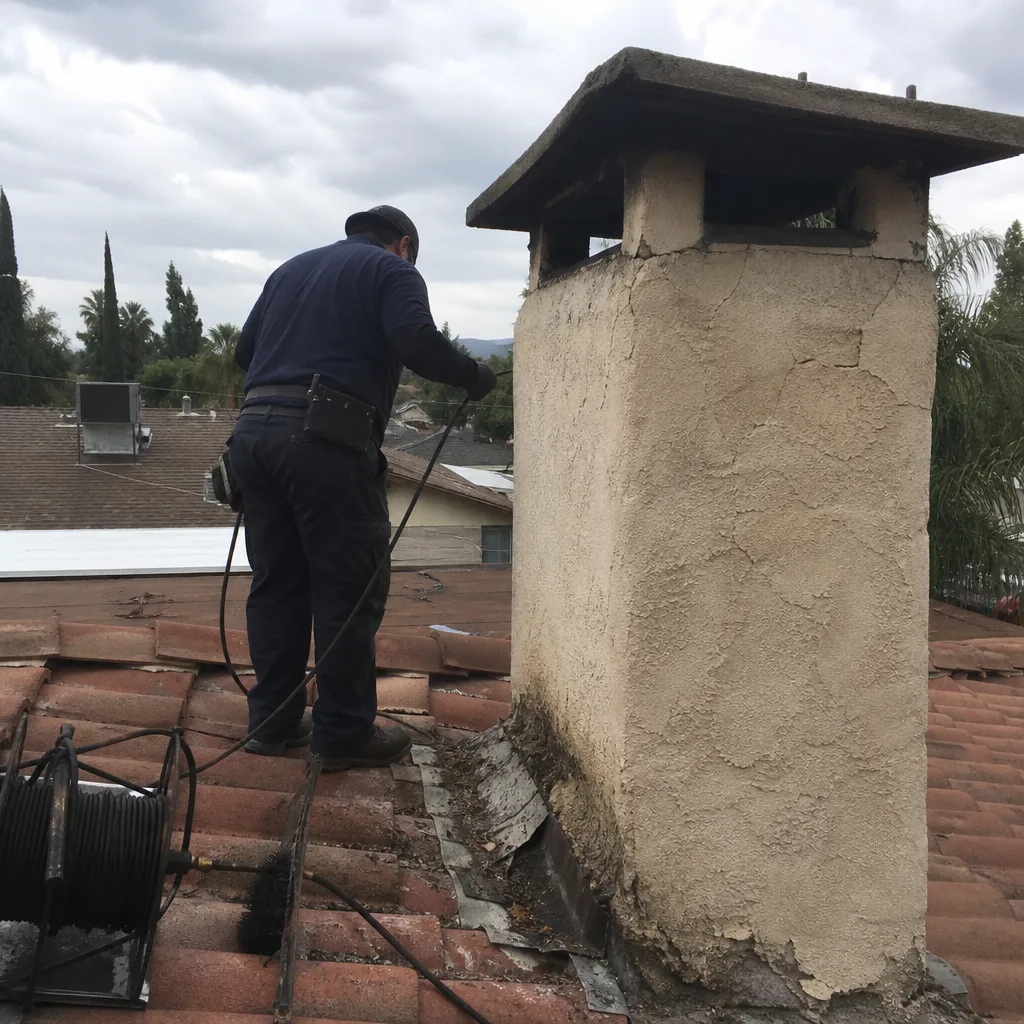 Before
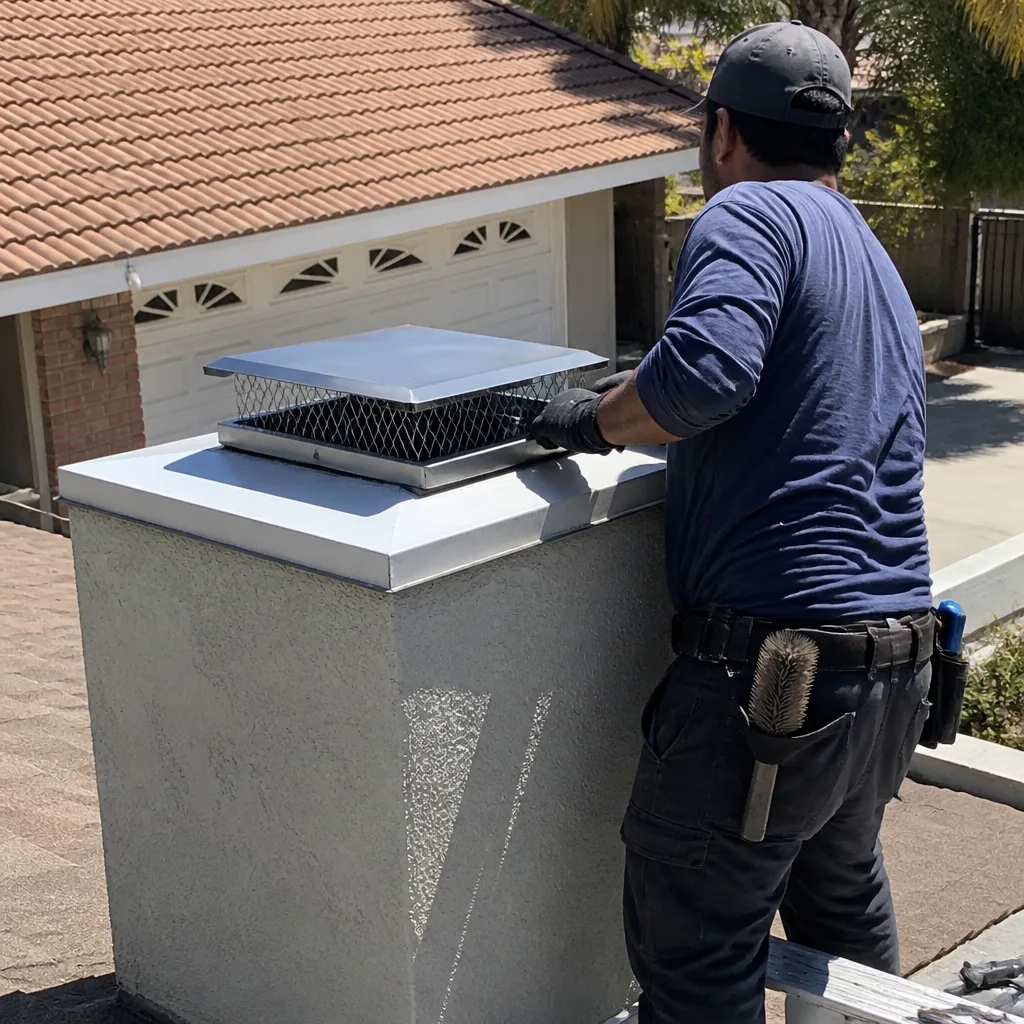 After
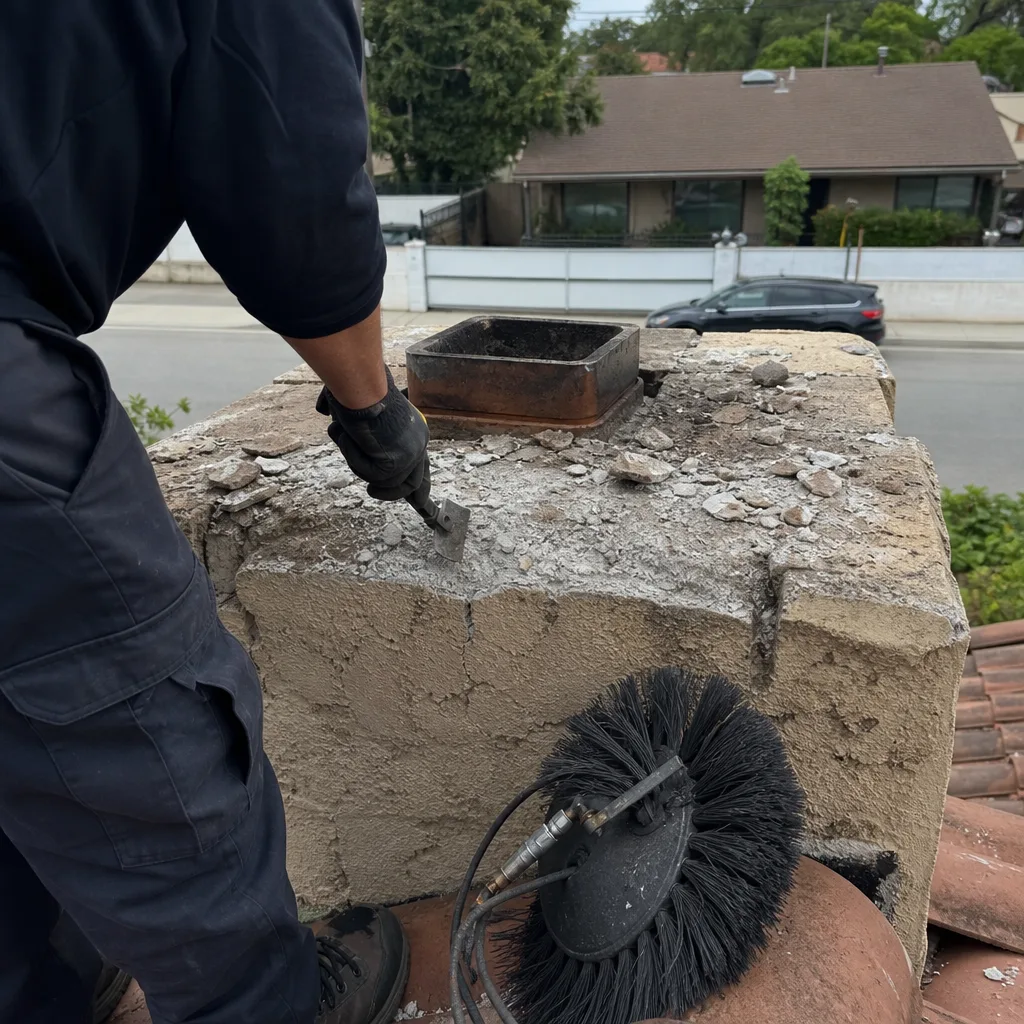 Before
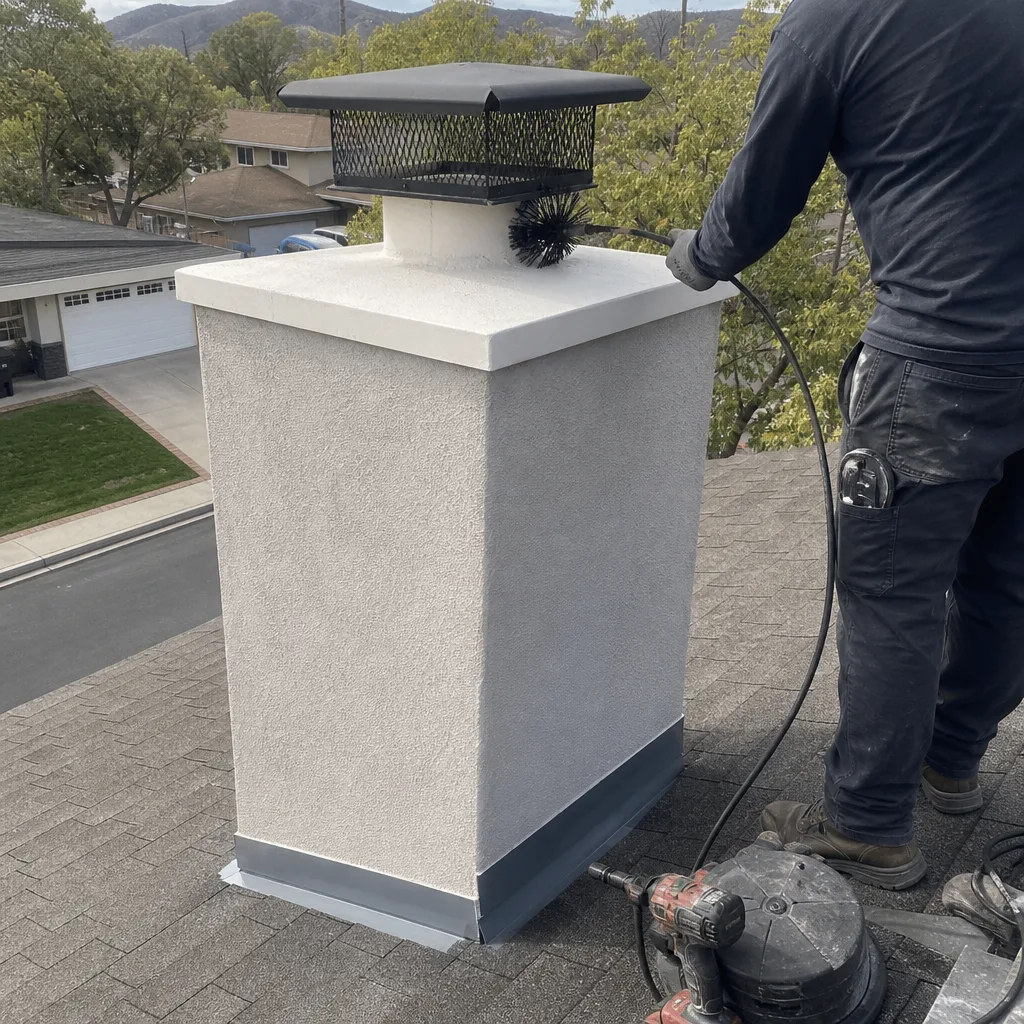 After
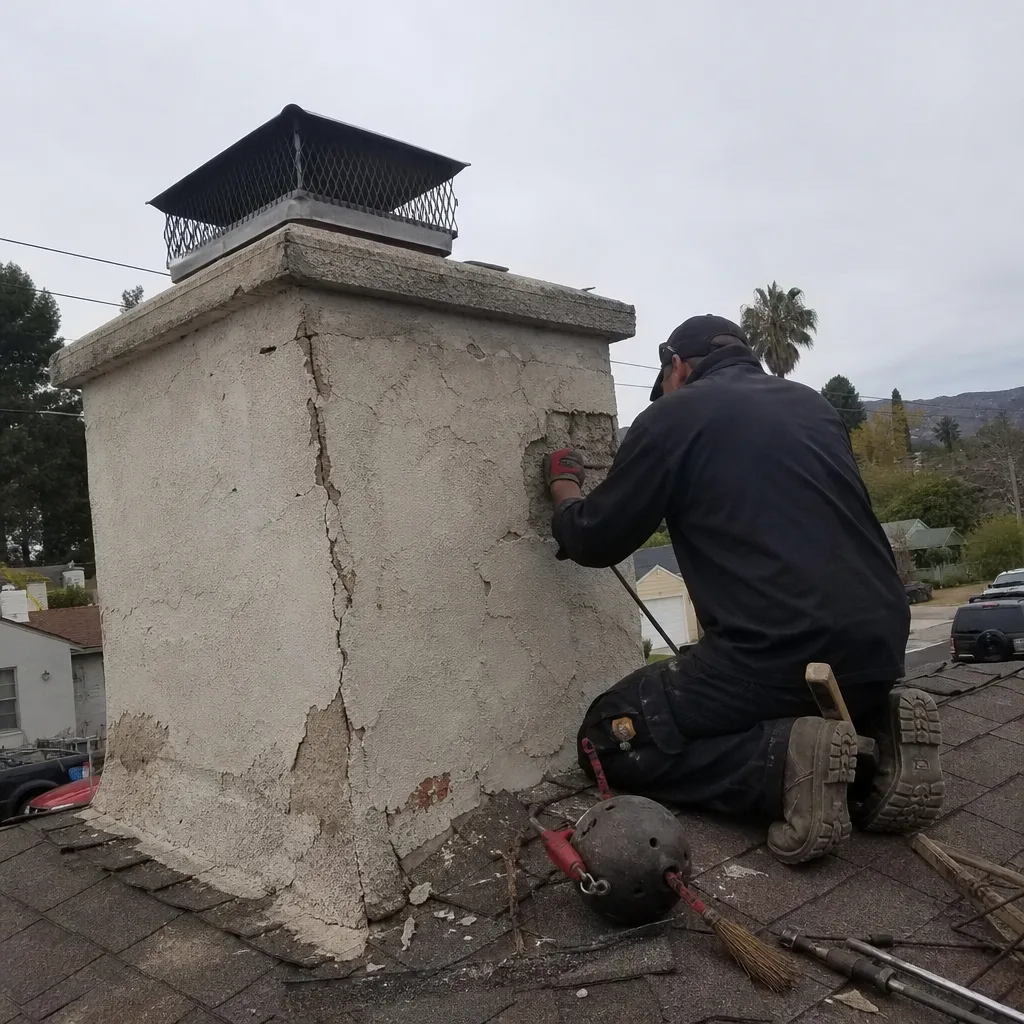 Before
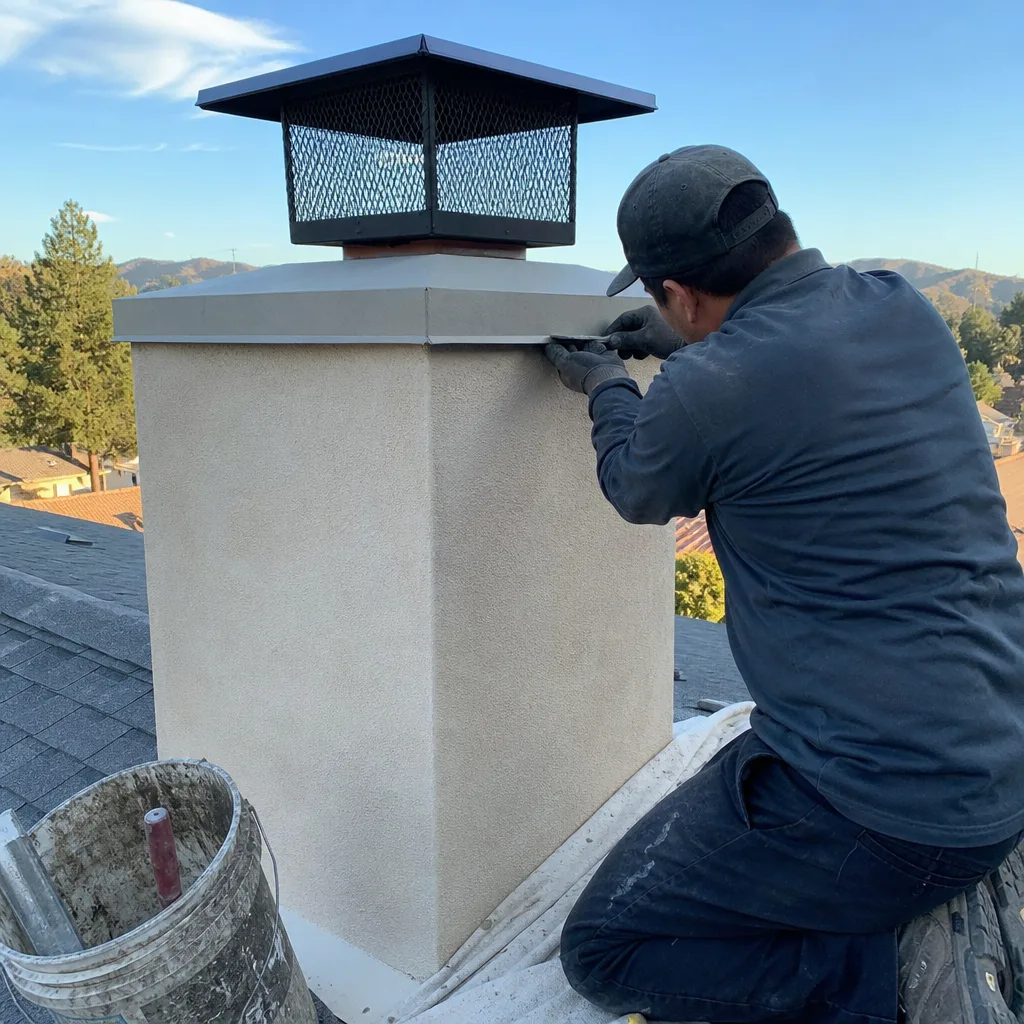 After
When to Call a Professional
Some chimney problems are obvious from inside the house, and they warrant an immediate call rather than a note on a seasonal checklist. If you see smoke spilling into the room during a fire, hear or see animals in the chimney, smell a musty or organic odor from the fireplace when it hasn’t been used, notice water staining on the ceiling near the chimney, or find flakes of masonry in the firebox, don’t wait for the next scheduled cleaning. These are signs of active problems: blocked flue, wildlife intrusion, water damage, or structural deterioration. A chimney that’s exhibiting any of these symptoms should be inspected before its next use, regardless of the season. Chimney Sweep Sylmar offers free estimates in Sylmar; call (833) 620-0634 and we’ll schedule an inspection at your convenience.
Frequently Asked Questions
For most Sylmar homeowners who burn fewer than ten times per year, one annual sweep and inspection in September or October is sufficient, provided the work meets Chimney Cleaning Permits, Codes & Inspections in CA: What You Need to Know. The timing matters more than the frequency, because fall cleaning here addresses wildfire ash and seasonal debris, not creosote from heavy winter burning. If you burn more frequently, or if you burn unseasoned wood, twice-annual sweeping is worth considering.
A standard sweep and visual inspection in Sylmar typically runs $150 to $250. A sweep with camera inspection and a detailed photo report runs $250 to $350. These are general ranges for the local market. An exact quote depends on chimney type, roof access, and system condition. Call (833) 620-0634 for a free estimate on your specific setup.
Not necessarily. A deteriorating liner is a real problem, but replacement isn’t the only repair path. HeatShield resurfacing can restore a liner with cracks or minor deterioration without full demolition, and it’s often substantially less expensive than relining. In our experience serving Sylmar, many homeowners who have been told they need a full reline are candidates for a resurfacing option instead. A camera inspection with photo documentation should be part of any liner recommendation; you should be able to see the damage yourself before deciding on a repair.
In Sylmar’s climate, the most likely outcomes of skipping maintenance are: a nest forms in the flue, a crack in the crown grows until water enters the masonry, or a failing damper goes unnoticed until smoke or animals enter the home. Creosote buildup is a risk, but it’s less common here than in cold climates with heavy burning. The real danger of skipping is that you lose the early detection opportunity. Problems that are cheap to fix when small become expensive structural repairs when large. The annual inspection is the mechanism by which small problems get caught.
You can purchase a chimney brush and rods from a hardware store, but we don’t recommend it. A proper sweep includes inspection that DIY brushing skips entirely. Brushing the flue without inspecting the liner, crown, damper, and cap means you’re cleaning blindly. You’ll miss the early signs of damage that professional equipment and training are designed to catch. For most homeowners in Sylmar, the cost of a professional sweep is a small price for an accurate picture of the system’s condition.
Yes. Dryer vents are a leading cause of residential house fires in the United States, and the lint that accumulates in a dryer vent is more combustible than the material most people assume is the bigger risk. Dryer Vent Cleaning in Sylmar should happen annually for most households, and it’s a natural companion to chimney maintenance. If you’re scheduling a chimney sweep, adding a dryer vent cleaning to the same visit covers two of the most common combustion-safety concerns in a single appointment.
The Bottom Line
Sylmar’s climate demands a chimney maintenance calendar that has little in common with the standard national advice. Inspect in summer, when heat damage is visible. Clean in early fall, after wildfire smoke and before Santa Ana winds peak. Check caps and dampers in spring, when nesting season begins. Don’t panic about winter burning; if you light fewer than ten fires per year, one well-timed annual cleaning is enough. The point of seasonal care isn’t to comply with a calendar, it’s to catch problems early and keep the system safe for whatever use you actually give it. If you’re not sure where your chimney stands, a professional inspection gives you the benchmark. Chimney Sweep Sylmar provides sweeping, repair, and dryer vent cleaning across the Sylmar area; call (833) 620-0634 to schedule a free estimate and get your chimney on a schedule that fits this climate.
Written by the team at Chimney Sweep Sylmar, serving Sylmar since 2013.