
Last updated November 2, 2026
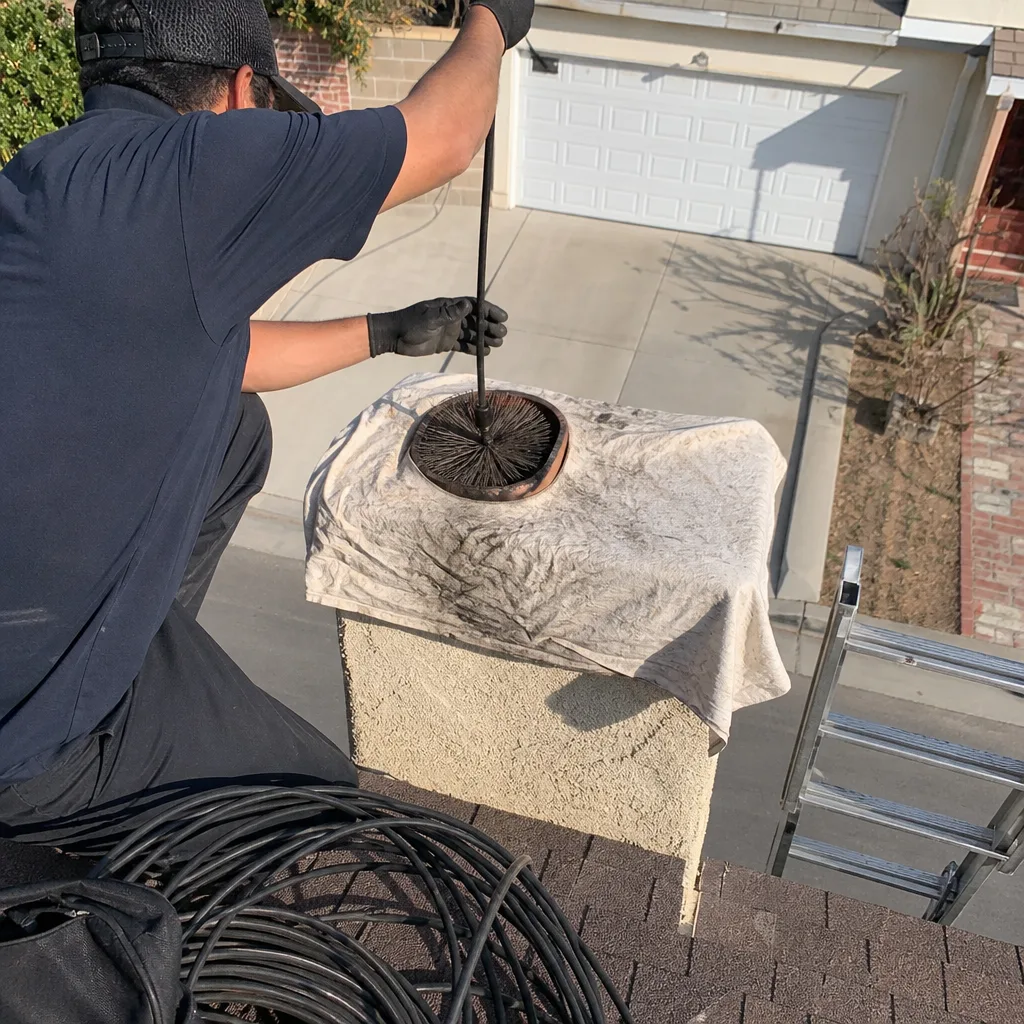
 Sweep & inspection
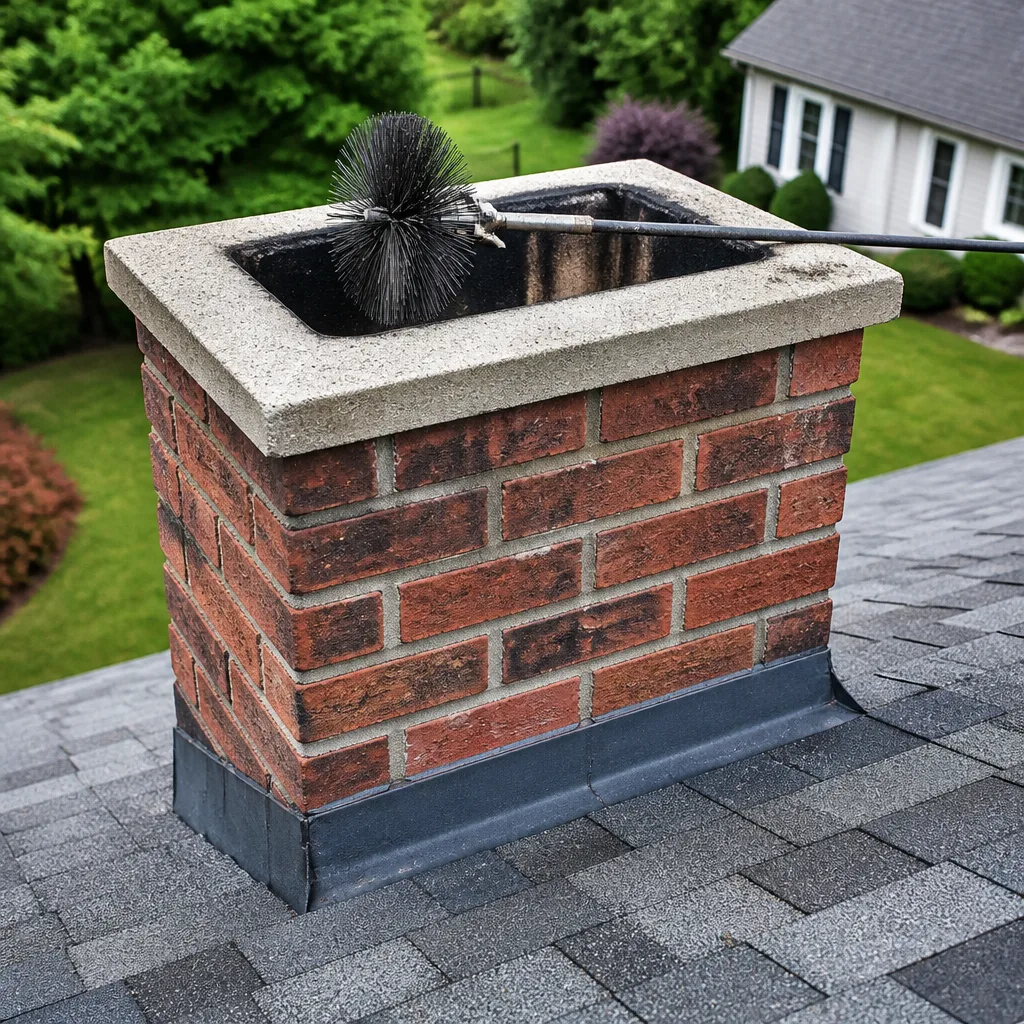
 Caps & crowns
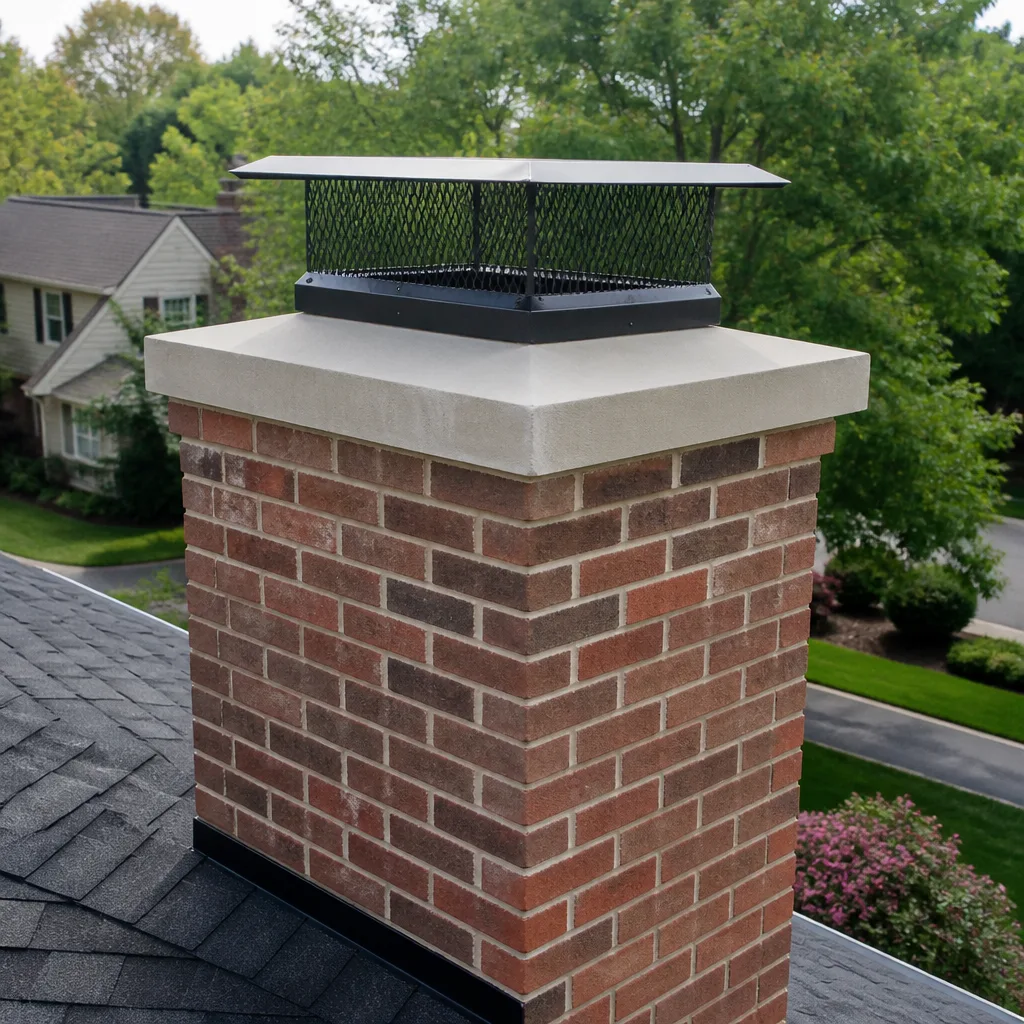
 Flue relining
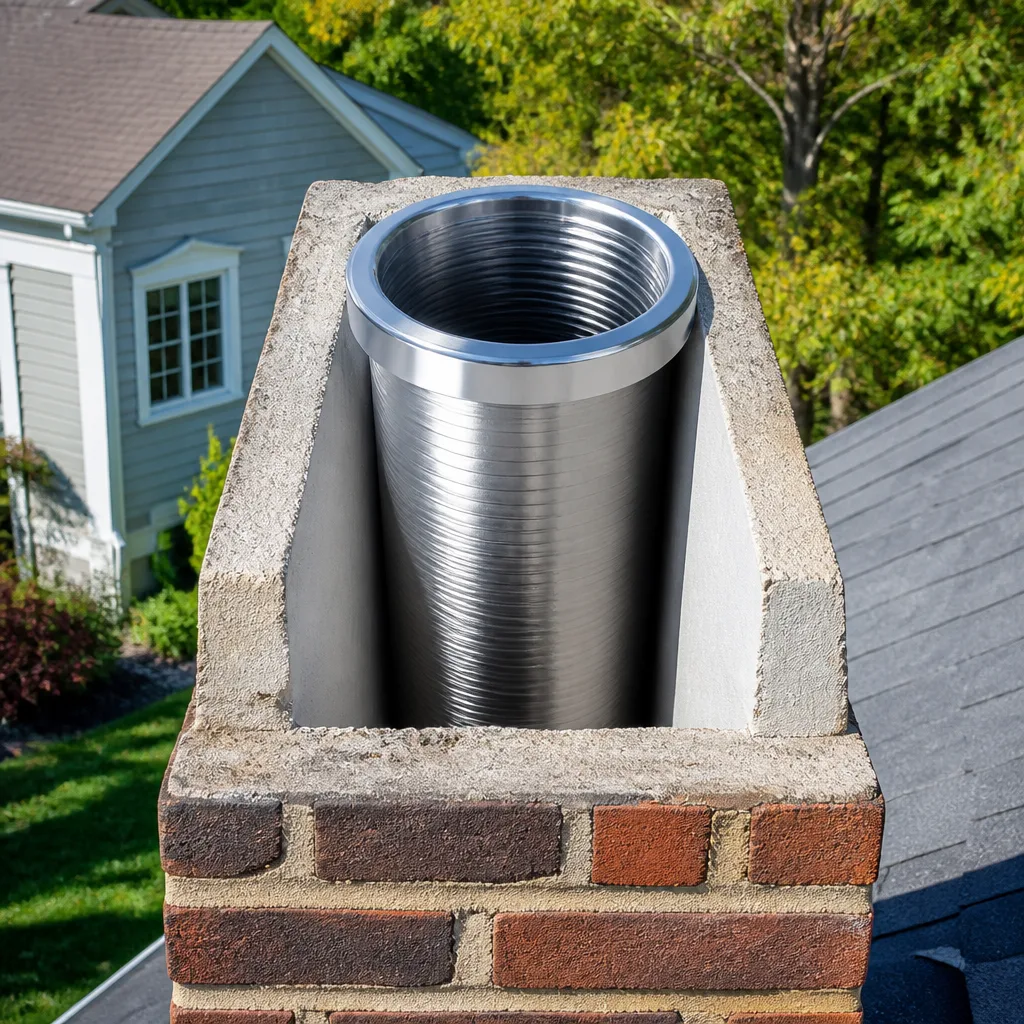
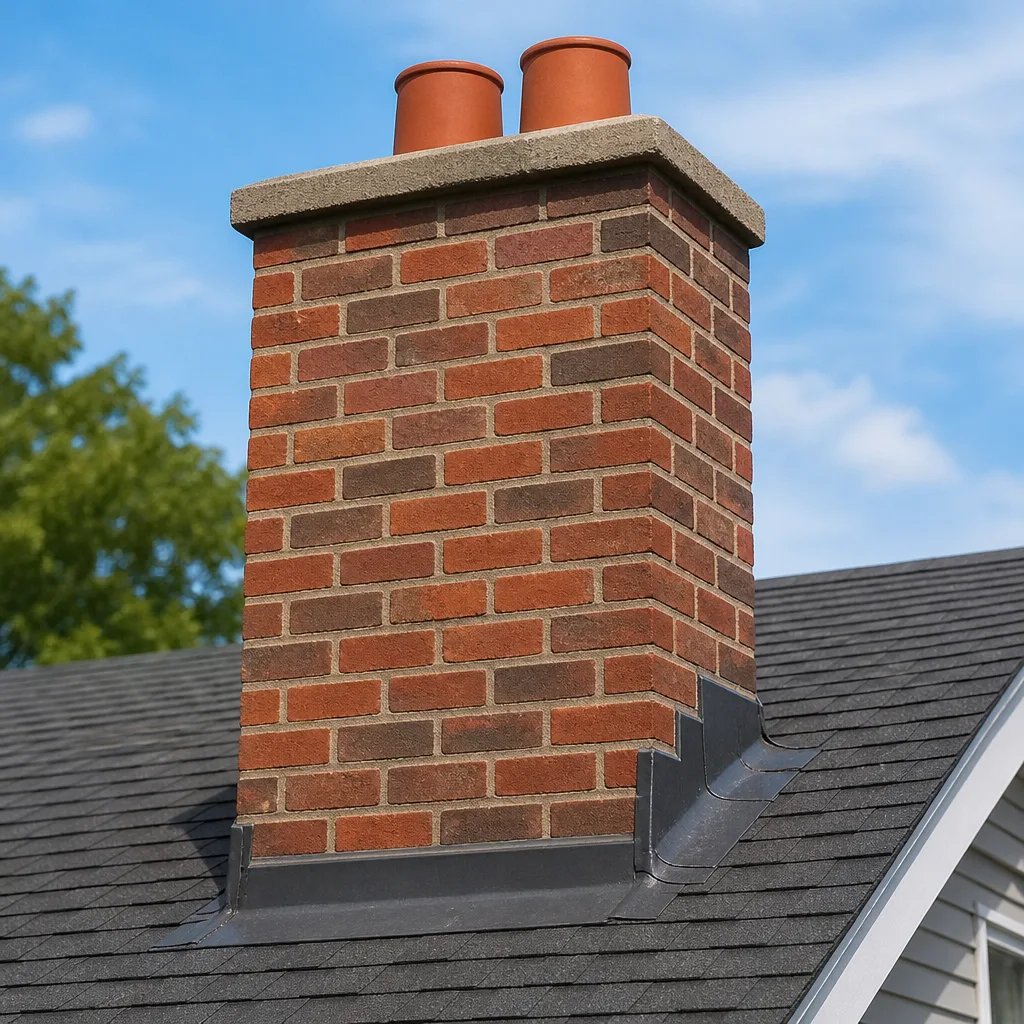 Masonry repair
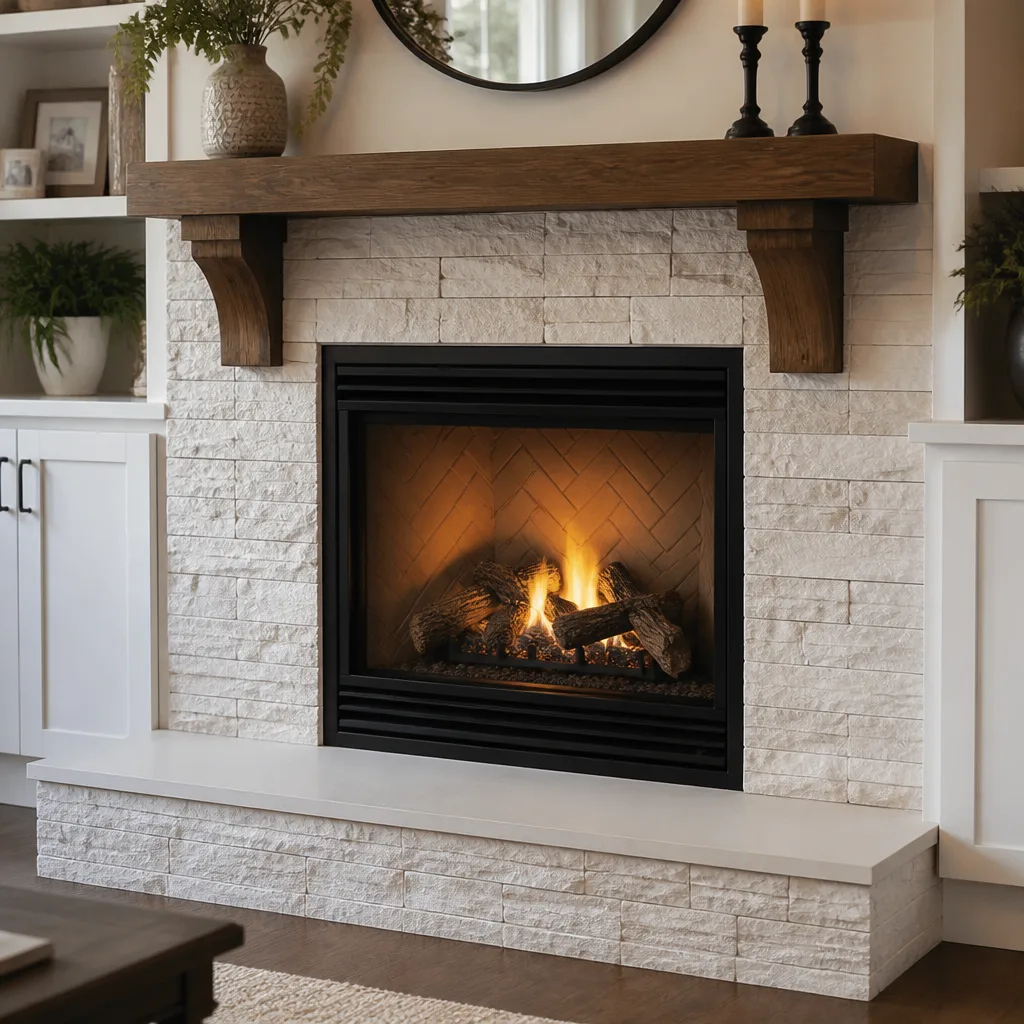 Gas fireplace service
Level 1 sweep and inspection to the NFPA 211 annual standard - flue, crown, cap, and flashing checked and photographed
Chimney sweep logs do not sweep chimneys. They loosen some creosote - which then falls where a brush and vacuum still have to collect it.
Chimney Cleaning Permits, Codes & Inspections in CA: What You Need to Know
A chimney sweep quotes you a liner replacement after cleaning and says permits aren’t needed. In Los Angeles County, that’s often wrong, and the liability for unpermitted structural work lands on the homeowner, not the contractor. Most chimney cleaning in California requires no permit at all, but the repairs that cleaning reveals frequently do. This guide draws the exact line between maintenance and permitted repair, explains how NFPA 211 standards intersect with California Building Code, and tells you what to ask before anyone touches your flue. We’ve walked hundreds of Sylmar homeowners through this exact confusion after chimney sweep in Sylmar visits turned up issues requiring real decisions.
Styles & brands we work with
- Sweep & inspection
- Caps & crowns
- Flue relining
- Masonry repair
- Gas fireplace service
Quick Answer
Routine chimney sweeping and Level 1 inspections in California do not require a permit. Repairs that alter the flue liner, firebox, chimney structure, or venting configuration generally do require a permit from your local building department, typically LA County Department of Building and Safety in Sylmar. A Level 2 inspection is legally required in California during real estate transactions when ownership changes or when the chimney system has been damaged by fire, earthquake, or weather events. If a contractor tells you no permit is needed for a liner replacement, verify that claim with the building department yourself before work begins.
Table of Contents
- The Permit Line: Maintenance vs. Repair vs. Replacement
- How NFPA 211 and California Building Code Work Together
- Inspection Levels: Level 1, Level 2, Level 3 Explained
- Real Estate Transactions and the Legal Level 2 Requirement
- Unpermitted Work and Homeowner’s Insurance in Fire-Adjacent Regions
- Sylmar-Specific Considerations: Heat, Wind, and Wildfire Zones
- What to Ask a Contractor Before They Touch Your Chimney
- What Homeowners Can and Cannot Do Themselves
The Permit Line: Maintenance vs. Repair vs. Replacement
The distinction that matters most is simple in theory and messy in practice. Maintenance work, defined as cleaning, inspection, and minor component replacement that does not alter the system’s structure or function, needs no permit anywhere in California. Repair and replacement work that changes how the chimney vents, what it’s made of, or how it performs generally does. Here is how that line is drawn under the California Building Code (CBC), specifically Chapter 1, Section 105, which requires permits for work that alters or adds to a structure’s mechanical, fire protection, or structural systems.
No permit required:
- Chimney sweeping and creosote removal
- Level 1 visual inspections
- Chimney cap replacement with a like-for-like unit
- Damper repair when the existing damper is restored to original function
- Minor crown sealing with elastomeric sealant (not rebuilding)
Permit required in most LA County jurisdictions:
- Stainless steel liner installation, including DuraFlex flexible liner systems
- Flue resurfacing that alters the flue’s internal dimensions or fire rating, including HeatShield applications when used as a structural repair
- Firebox rebuilding or substantial masonry repair
- Crown rebuilding or full chimney reconstruction above the roofline
- Converting from one fuel type to another, such as wood to gas, which changes clearance and venting requirements
- Any repair involving structural concrete, rebar, or foundation work at the chimney base
The reason this line gets blurred is that many chimney companies treat liner replacement as a routine upsell after a cleaning. The cleaning itself was maintenance. The liner they found damaged is not. Once you replace the liner, you have changed a critical fire-safety component of the home, and the California Residential Code Section R1003 requires that any new lining material meet specific UL listing standards and be installed to NFPA 211 specifications. That installation is inspected, and inspection requires a permit.
In Sylmar, we regularly see homes built between 1950 and 1980 with original clay tile liners that have cracked from decades of heat cycling and the occasional earthquake. When a sweep recommends replacement in one of these homes, the permit question is not optional. It is the difference between a documented, insurable repair and a hidden liability.
How NFPA 211 and California Building Code Work Together
NFPA 211 is the National Fire Protection Association’s standard for chimneys, fireplaces, vents, and solid fuel-burning appliances. It is a model standard, not law on its own. But the California Building Code and California Residential Code explicitly reference NFPA 211 in multiple sections, which is what gives it enforceability. When a building inspector in Los Angeles County reviews a chimney repair, they are checking the work against the code sections that incorporate NFPA 211 requirements.
What this means in practice for a homeowner in Sylmar is that a contractor who says they “work to NFPA 211 standards” is saying they follow the same framework the inspector will use. That is exactly what you want to hear. Built to CSIA and NFPA safety standards is not marketing language, it is a description of which rulebook governs the installation.
Here are the key intersections you need to know about:
- Clearances to combustibles: NFPA 211 specifies minimum distances between a chimney or connector pipe and any combustible framing. California code adopts these numbers. If a liner replacement changes the heat transfer characteristics of the chimney, the clearance requirements may change too, which is why the permit and inspection matter.
- Flue sizing: NFPA 211 includes detailed tables for proper flue diameter relative to appliance output. A liner that is too large for a modern high-efficiency wood stove reduces draft and creates creosote problems. An inspector will check this. A sweep-only company that installs whatever liner fits the existing clay tile may not.
- Termination height requirements: The 3-2-10 rule (three feet above the roof penetration, two feet above anything within ten feet horizontally) comes from NFPA 211 and is enforced by California inspectors. In Sylmar’s hillside neighborhoods where rooflines vary dramatically, this rule creates real inspection failures when it is ignored.
- Listed component requirements: California code requires that replacement liners, caps, and dampers be listed by a recognized testing laboratory. Products from brands like Copperfield and Olympia Chimney carry UL listings. Hardware-store substitutes often do not, which is why professional-grade materials, not hardware-store substitutes, is more than a preference. It is a code-compliance requirement in many applications.
The intersection of NFPA 211 and California code is where we see most unpermitted work go wrong. The physical installation may look fine from the living room, but the clearance, sizing, or termination details may be off in ways only an inspector with a code book catches.
Inspection Levels: Level 1, Level 2, Level 3 Explained
The inspection level hierarchy is defined by NFPA 211 and used by every serious chimney professional in California. Understanding the three levels tells you what you are paying for and when you need more than a basic look.
Level 1: A visual inspection of the readily accessible portions of the chimney interior and exterior. The technician looks for basic soundness of the flue, checks for combustible deposits, and verifies that the chimney is free of obstruction and creosote buildup. This is what accompanies a routine annual cleaning. No permit is required, no equipment beyond a flashlight and basic hand tools is needed. In Sylmar, a Level 1 inspection during an annual sweep is adequate for a fireplace that has not changed use, fuel type, or experienced any damage event.
Level 2: A more comprehensive inspection that includes everything in Level 1 plus access to attic, crawlspace, and basement areas, and the use of video scanning equipment to examine the flue interior. A Level 2 is required when any of the following occur:
- The property is being sold or transferred, and the buyer or seller’s agent orders a chimney inspection as part of the transaction
- Any change is made to the heating system, including fuel type conversion or appliance replacement
- A chimney fire, earthquake, severe weather event, or building fire has occurred
- The chimney has been unused for an extended period and is being returned to service
In real estate transactions in California, Level 2 is effectively the default standard when a chimney inspection is performed at all. Most home inspection contracts reference NFPA 211 inspection levels specifically. We inspect before we sweep, and repair what we find is our process because a Level 2 camera inspection often reveals issues a Level 1 visual check cannot; when problems do surface, our Chimney Sweep Troubleshooting: Common Problems and How to Fix Them can help you understand what comes next.
Level 3: The most invasive inspection level, requiring removal of chimney components, interior walls, or other building elements to access concealed areas. This is only ordered when a Level 2 inspection reveals a suspected serious hazard that cannot be confirmed without destructive access. Level 3 inspections are rare, expensive, and almost always triggered by something like a suspected hidden firebox crack or liner failure behind masonry. If a contractor tells you a Level 3 inspection is needed, get a second opinion before any demolition begins.
Real Estate Transactions and the Legal Level 2 Requirement
The point where chimney inspection stops being a maintenance choice and becomes a legal requirement is the real estate transaction. In California, the standard Residential Purchase Agreement used by the California Association of Realtors gives buyers the right to order inspections of any system in the home. When a chimney inspection is ordered, industry practice and the standards referenced in the inspection contract almost always call for Level 2 scope.
What this means for a seller in Sylmar is that a chimney issue discovered by the buyer’s inspector becomes a negotiation point, and unresolved structural issues must be disclosed to any future buyer. A homeowner who replaces a liner before listing without pulling the permit has created a disclosure problem. The unpermitted liner must be disclosed on the Transfer Disclosure Statement, and the buyer’s lender or insurance carrier may balk. The home sale can stall, the price can drop, or the seller can be forced to pull a retroactive permit, which requires opening the wall or chimney chase for an inspection that should have happened during installation.
We see this pattern repeatedly in the Sylmar neighborhoods south of the 210 freeway, where homes built during the 1960s and 1970s are now changing hands to second and third owners. The original clay liner failed years ago. Someone replaced it with a stainless liner, no permit. The current owner is now selling and the buyer’s inspection flags the system because there is no record with LA County Building and Safety. The fix is never cheap because now the unpermitted work has to be verified as code-compliant, and if it is not, it has to be redone.
The lesson is blunt. If you are repairing a chimney on a home you may sell, do it with a permit and keep the documentation. The permit is not bureaucratic overhead. It is the document that proves the repair exists at the standard future buyers and their insurers will demand.
Unpermitted Work and Homeowner’s Insurance in Fire-Adjacent Regions
Sylmar sits in a region where wildfire risk is not theoretical. The Sayre Fire of 2008 burned nearly 500 homes in the Sylmar area, and the insurance market’s memory of that event is long. Homeowner’s insurance carriers in Los Angeles County have become aggressive about the condition of fire-safety systems in the homes they cover, and chimneys are near the top of the list.
Here is how unpermitted chimney work becomes an insurance problem:
- Claim denial: If a chimney fire occurs and the insurer discovers that the liner, damper, or firebox was modified without permits, they may deny the claim on the grounds that the homeowner maintained the structure in violation of applicable building codes. The policy language usually requires the homeowner to maintain the property in compliance with all laws and codes.
- Non-renewal: Insurance carriers in fire-adjacent ZIP codes, including Sylmar’s 91342, are increasingly using inspection-based non-renewal. If an inspector finds unpermitted chimney modifications, the carrier may decline to renew the policy rather than accept the risk.
- Coverage gap: Some carriers will write the policy but exclude chimney-related claims if the chimney system does not meet current code. The homeowner discovers this gap only when a claim is filed.
- Premium impact: Even when a policy is not canceled, an unpermitted chimney condition can push the homeowner into the surplus lines market, where premiums are substantially higher.
What this means in practical terms is that a $2,500 liner replacement done without a permit can become a $15,000 problem if the unpermitted work blocks a future claim or forces a retrofit to satisfy an insurance inspector. The permit fee and inspection cost are the cheapest insurance you will ever buy against that outcome.
Sylmar-Specific Considerations: Heat, Wind, and Wildfire Zones
Sylmar’s climate affects chimneys in ways that most general chimney guides do not address. Understanding these factors helps local homeowners make better decisions about maintenance schedules and repair priorities; for more guidance, see our Chimney Sweep Maintenance Checklist for Sylmar Homeowners.
Heat and drought: Sylmar regularly sees summer temperatures above 100 degrees, and the prolonged dry season stresses masonry and clay tile liners. Thermal cycling, the repeated expansion and contraction of chimney materials as temperatures swing from hot days to cool nights, is a primary cause of crown cracking and liner spalling in this climate. A chimney in coastal Santa Monica faces different stresses than one in the inland heat of the north San Fernando Valley.
Santa Ana winds: The seasonal Santa Ana winds that sweep through the Sylmar corridor put unusual pressure on chimney caps, spark arrestors, and termination components. We routinely see chimney caps that have been lifted off their mounting or spark arrestors that have been deformed by wind-driven debris. This is a maintenance issue that does not require a permit, but it does require prompt attention. An exposed flue during Santa Ana season with embers in the air is exactly the scenario that building codes addressing wildfire zones are designed to prevent.
Wildfire urban interface requirements: Portions of Sylmar fall within designated Wildland Urban Interface (WUI) zones under California fire code. In these zones, the California Building Code requires spark arrestors on chimneys serving solid fuel appliances. The spark arrestor must have mesh openings no larger than 1/2 inch. This requirement is enforced during the permit inspection process, which is another reason the permit matters. A liner replacement done without a permit in a WUI zone may leave the chimney without a compliant spark arrestor, and the homeowner never knows until a fire inspector or insurance inspection points it out.
The practical takeaway for Sylmar homeowners is that your chimney lives in a harsher environment than the average California chimney. Seasonal inspection before the burning season is not a suggestion, it is an appropriateness judgment based on the local conditions here.
What to Ask a Contractor Before They Touch Your Chimney
The difference between a documented, code-compliant repair and a hidden liability often comes down to the questions you ask before work begins. These are the questions that separate a professional chimney company from a handyman with a ladder and a brush.
- “Is this work classified as maintenance or repair under the current code?” A professional should answer without hesitation. If they cannot distinguish the two, walk away.
- “Will you be pulling a permit for this work, and will I get a copy of the final inspection approval?” In Los Angeles County, the homeowner is legally responsible for the permitting on their own home. A contractor who says permits are “not necessary” should be able to explain exactly which code section exempts the work. If they cannot, verify independently.
- “What specific products are you installing, and are they UL listed?” Brands like DuraFlex, HeatShield, and Copperfield are professional-grade products with UL listings. Handyman-grade substitutes from big-box stores often are not listed for fireplace use at all.
- “Will you provide a written report with photos or video from the inspection?” A professional chimney company documents what they find. If you are told there is a problem but shown no evidence, get a second opinion. Nothing is recommended without camera evidence the homeowner can see for themselves.
- “Are you familiar with the local amendments in LA County?” Los Angeles County has amendments to the California code that affect chimney work. A contractor from outside the area may not know these amendments. A local professional should.
- “What documentation will I receive when the job is complete?” The answer should include a work order describing the work, the permit and inspection record if applicable, and a written confirmation that the work was performed to code.
One call for sweep, repair, and dryer vent service is what we offer, and the same standard applies to every job. We document what we find, pull permits when the code requires them, and hand you the paper trail that protects your home.
What Homeowners Can and Cannot Do Themselves
California allows homeowners to perform certain work on their own homes without a contractor’s license, but the permit requirement does not go away. Under California Business and Professions Code Section 7044, an owner-builder can pull a permit for work on their own residence. That does not mean the work is simple or safe to attempt.
Here is the realistic boundary:
Reasonable for a homeowner:
- Visual inspection of visible chimney components from the ground
- Checking the chimney cap for debris and obvious damage from the roofline with proper ladder safety
- Cleaning the visible soot from the fireplace firebox
- Checking that the damper opens and closes
- Verifying that the spark arrestor mesh is intact, if visible
Not reasonable for a homeowner:
- Liner inspection with camera equipment, which requires professional-grade tools and interpretation
- Creosote removal from the flue interior, which requires specialized brushes sized to the flue and produces hazardous dust
- Any liner replacement or resurfacing, including installing a DuraFlex system or applying HeatShield resurfacing material
- Crown rebuilding, which requires masonry skills and a structural understanding of how the crown directs water away from the flue
- Firebox repair, which involves refractory materials with specific drying and curing requirements
The safety caveat here is real. Chimney work at height involves ladder work and roofline access, and a fall from even a single-story roof produces life-changing injuries. Flue interior work involves creosote, which is a known carcinogen in concentrated exposure. The genuine danger in chimney work is not just the fire risk, it is the combination of height, respiratory exposure, and the fact that a mistake inside the flue is invisible until it causes a problem. A trained professional has the equipment and the experience to manage these risks.
We also see homeowners attempt to address “chimney problems” that are actually dryer vent problems. A dryer that is not venting properly pushes lint into the wall cavity, and the lint is a more immediate fire risk than chimney creosote in some homes. Dryer vent cleaning in Sylmar is a service we offer alongside chimney work specifically because the two systems share the same physics and the same consequences when neglected.
Common Mistakes to Avoid
- Assuming all chimney work is maintenance. The cleaning is maintenance. The liner replacement it reveals is not. If a contractor blurs this line, they are transferring liability to you.
- Accepting “permits aren’t needed” without verification. LA County Building and Safety has a public number. Call them. The 10 minutes you spend verifying is worth more than the $10,000 problem you avoid.
- Hiring a handyman for a liner installation. Liner replacement involves UL-listed components, clearance requirements, and flue sizing calculations. A handyman with a ladder is not equipped for this work, and the result is often unpermitted work that fails an inspection later.
- Skipping the Level 2 inspection when buying a home in Sylmar. The buyer’s home inspector may not be a chimney specialist. A general home inspection is not a substitute for a Level 2 chimney inspection, especially in a home built before 1980 with an original clay liner.
- Replacing a liner without addressing the root cause. If the liner failed because the crown is cracked and water has been entering the flue, replacing the liner without rebuilding the crown just guarantees the new liner fails too. A professional diagnosis starts with why the failure happened, not what to install as a replacement. Chimney repair in Sylmar should address the full system, not one component in isolation.
- Ignoring the spark arrestor in a WUI zone. If you live in the Wildland Urban Interface portions of Sylmar, a missing or damaged spark arrestor is not a cosmetic issue. It is a code violation that can affect insurance and resale.
- Not keeping documentation. Even permitted work is only as good as your paper trail. Keep the permit, the inspection approval, and the work order. These documents are what you show to a future buyer or an insurance adjuster.
When to Call a Professional
The threshold for calling a professional is not complicated. If you see soot or creosote buildup of more than 1/8 inch in the flue, it is time for a cleaning. If you see cracks in the firebox, white staining on the exterior masonry, water in the firebox after rain, or a damper that no longer closes properly, it is time for an inspection. If a home inspector flags the chimney during a real estate transaction, it is time for a Level 2 inspection with camera documentation. If you smell smoke in the home when the fireplace is not in use, or if you notice smoke staining around the ceiling or walls near the chimney, call immediately. These are not deferrable items. Chimney Sweep Sylmar offers free estimates in Sylmar, call (833) 620-0634 to schedule. We inspect before we sweep, and we show you what we find before recommending any work.
Frequently Asked Questions
No. Routine chimney cleaning, sweeping, and Level 1 visual inspections are classified as maintenance and require no permit anywhere in California, including Sylmar and all of Los Angeles County. A permit becomes necessary when cleaning reveals repair work that alters the flue, firebox, crown, or venting system.
California law allows an owner-builder to pull a permit for work on their own residence, but liner installation requires UL-listed components, flue sizing calculations, and an inspection that most homeowners are not equipped to navigate. We recommend professional installation, and we use DuraFlex flexible liner systems, which are listed for the applications where we install them.
The unpermitted work must be disclosed on the Transfer Disclosure Statement, and the buyer’s lender or insurance carrier may refuse to close until the work is permitted retroactively. Retroactive permitting usually requires opening the wall or chase for inspection, which costs more than the original permit ever would have.
Call LA County Department of Building and Safety and ask for the permit records on your address. If no permit was pulled and you were told one was, you have been misled. Always ask for the permit number before work begins, not after.
Gas fireplaces still require Level 1 inspection during routine maintenance, but the creosote concerns are different. The primary issues with gas are carbon monoxide risk from improper venting, blocked termination caps, and burner service. The inspection levels in NFPA 211 apply to all vented appliances, not just wood-burning. Give us a call at (833) 620-0634 for an exact quote. Estimates are free.
Permit fees for chimney work in LA County typically run between $150 and $500 depending on the scope, with liner replacement at the lower end and structural rebuilds at the upper end. The fee is trivial compared to the cost of unpermitted work discovered during a sale or insurance claim.
In Sylmar’s hot, dry climate with seasonal Santa Ana winds and WUI fire risk, annual inspection is appropriate for any chimney in active use. Homes built before 1980 with original clay liners warrant particular attention. NFPA 211 recommends annual inspection and cleaning as needed, and the local conditions here argue for taking that recommendation seriously.
The Bottom Line
Chimney cleaning in California requires no permit. The repairs that cleaning reveals often do. The line between maintenance and permitted repair is drawn by the California Building Code and NFPA 211, and the consequences of getting it wrong fall on the homeowner. Unpermitted liner replacements, firebox rebuilds, and crown repairs complicate home sales, jeopardize insurance coverage, and can leave a home out of compliance in Sylmar’s Wildland Urban Interface zones. Work with a contractor who pulls permits when the code requires them, documents what they find, and hands you the paper trail that proves the work was done correctly. That documentation is what protects you when you sell, when you file a claim, and when an inspector asks the question.
Chimney Sweep Sylmar home is your local resource for chimney cleaning, inspection, and repair in Sylmar and the surrounding San Fernando Valley communities. Dryer vent cleaning in Sylmar completes the combustion-safety picture for homes with multiple venting systems.
Written by the team at Chimney Sweep Sylmar, serving Sylmar since 2013. Explore more guides & resources from our team.
See the difference
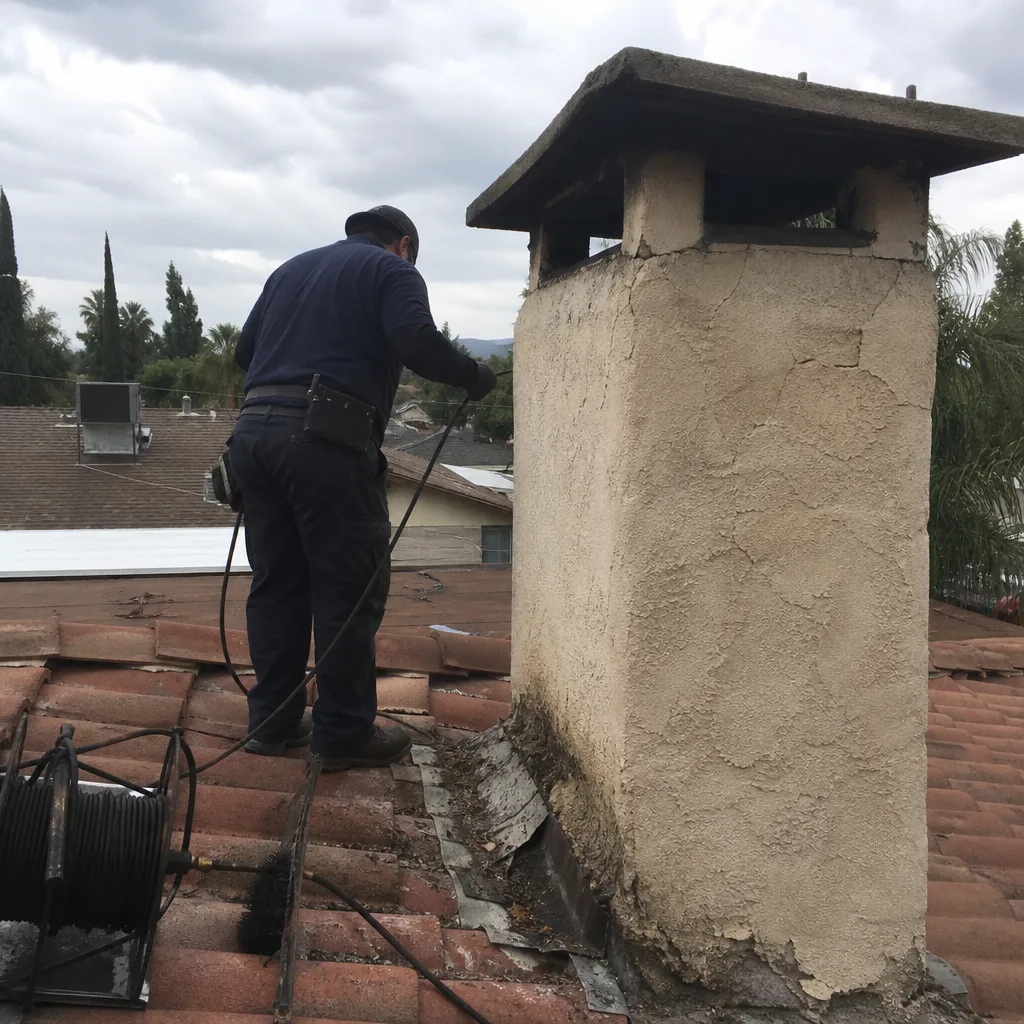 Before
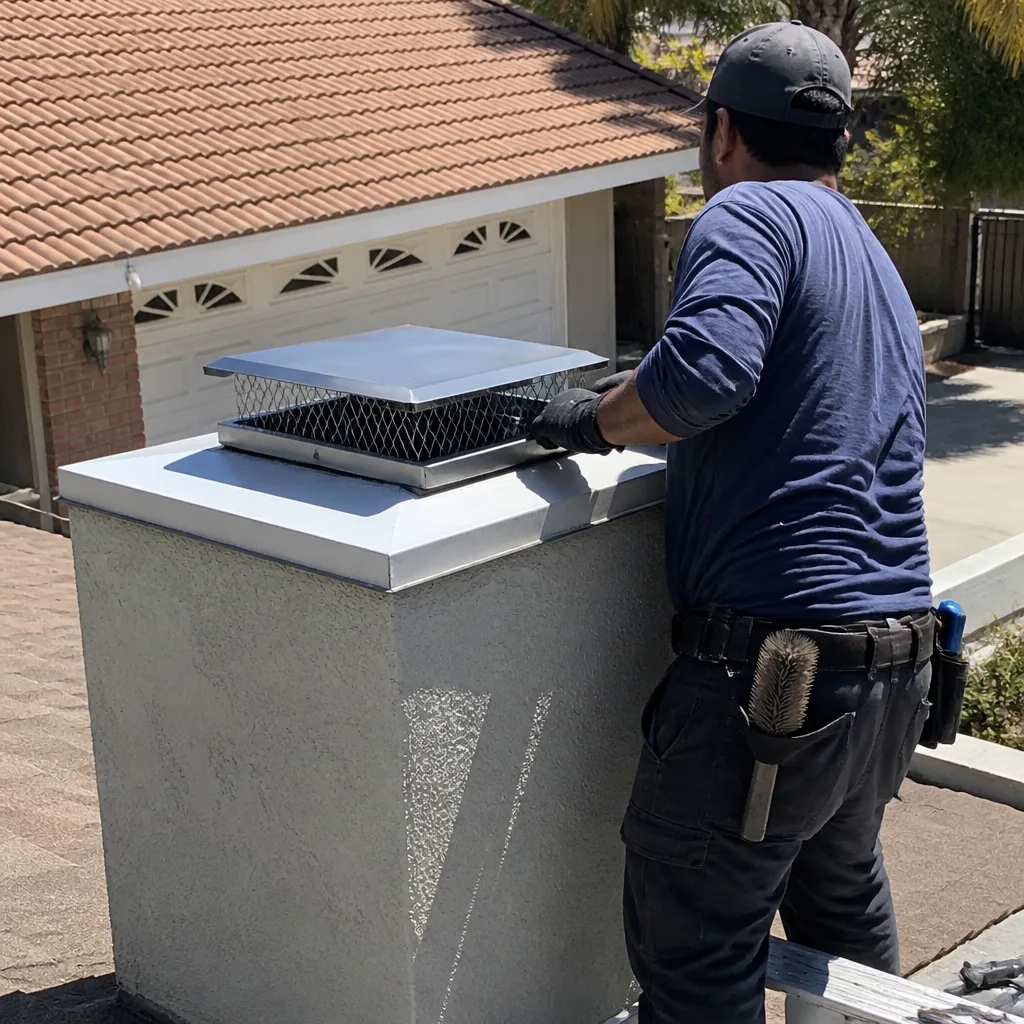 After
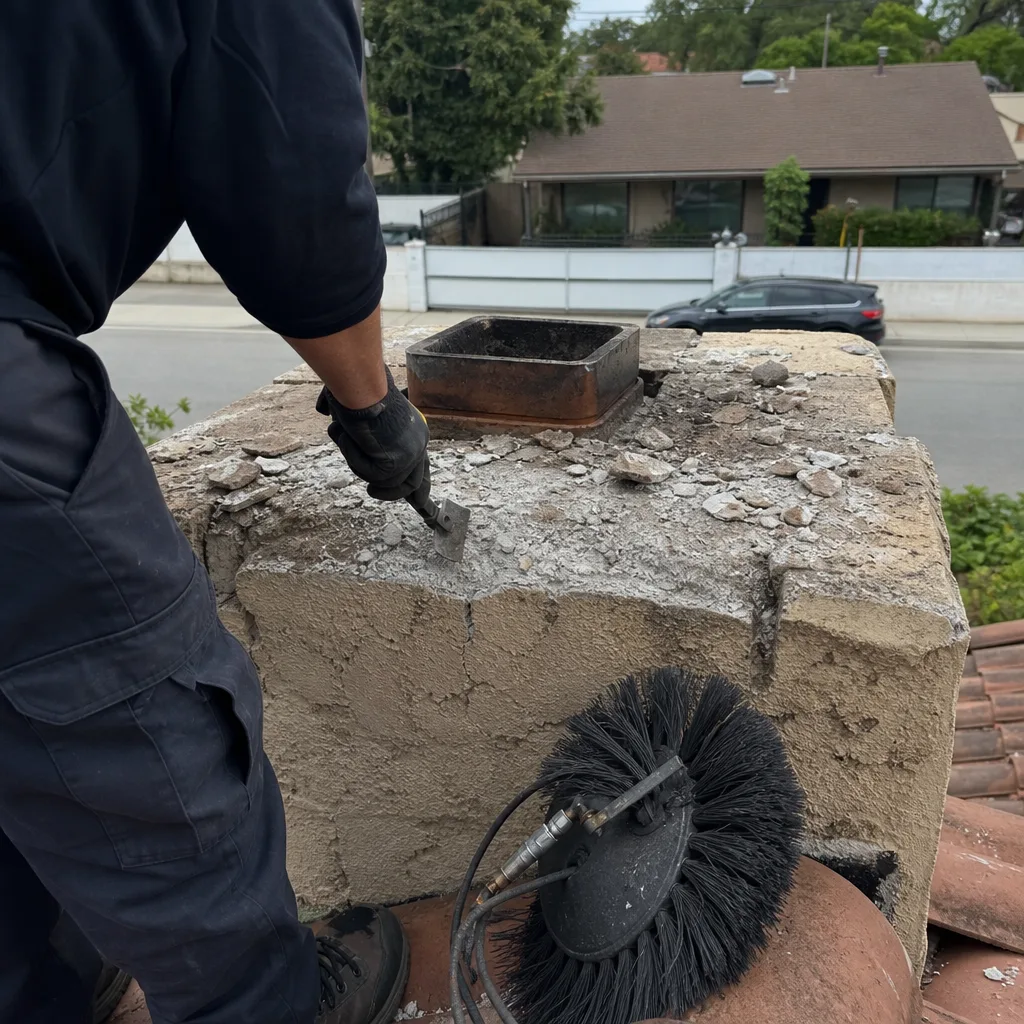 Before
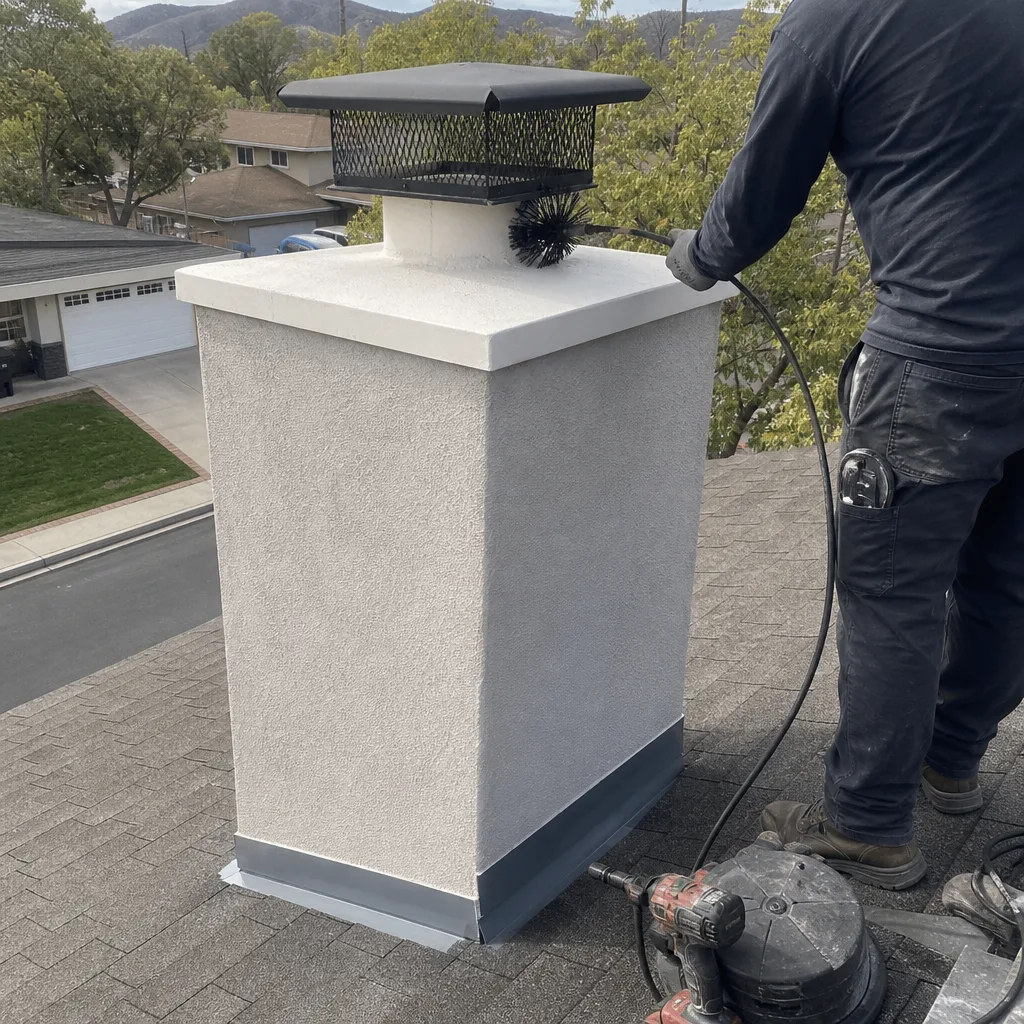 After
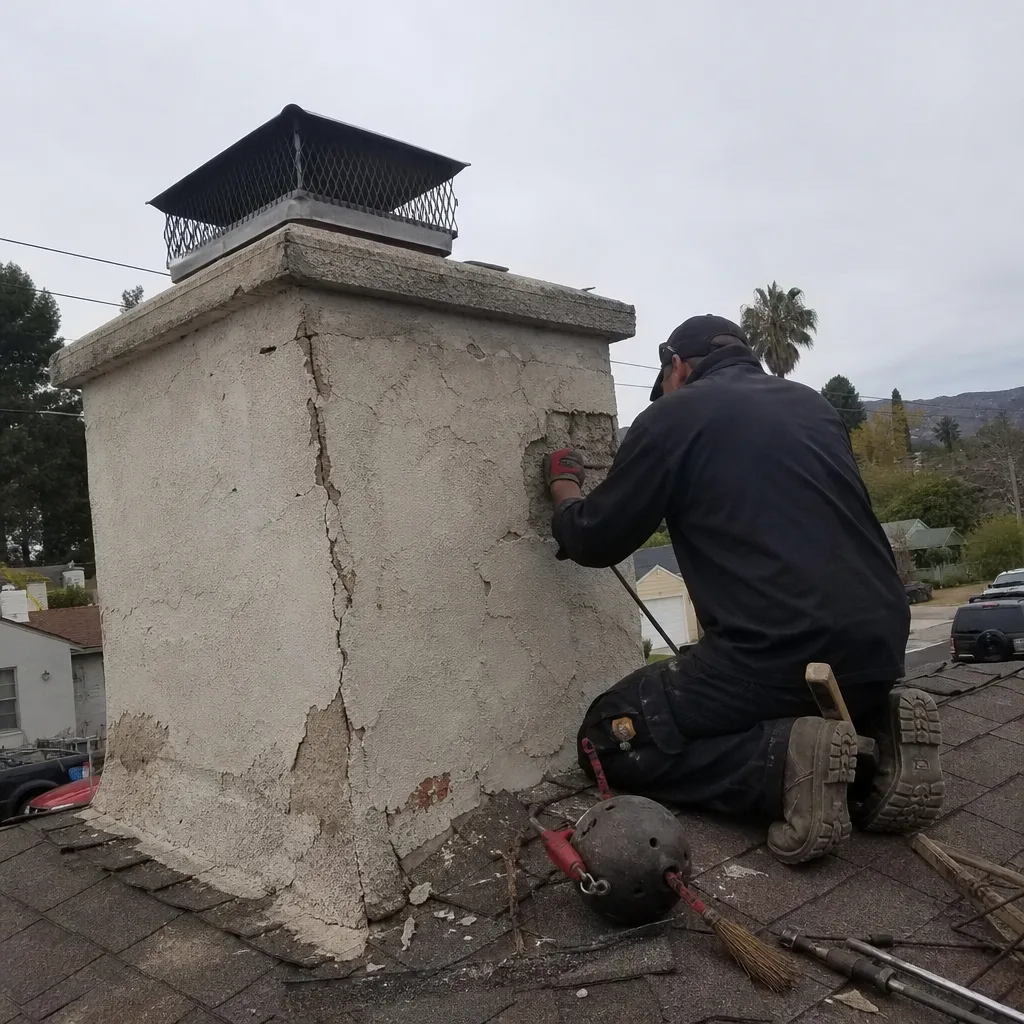 Before
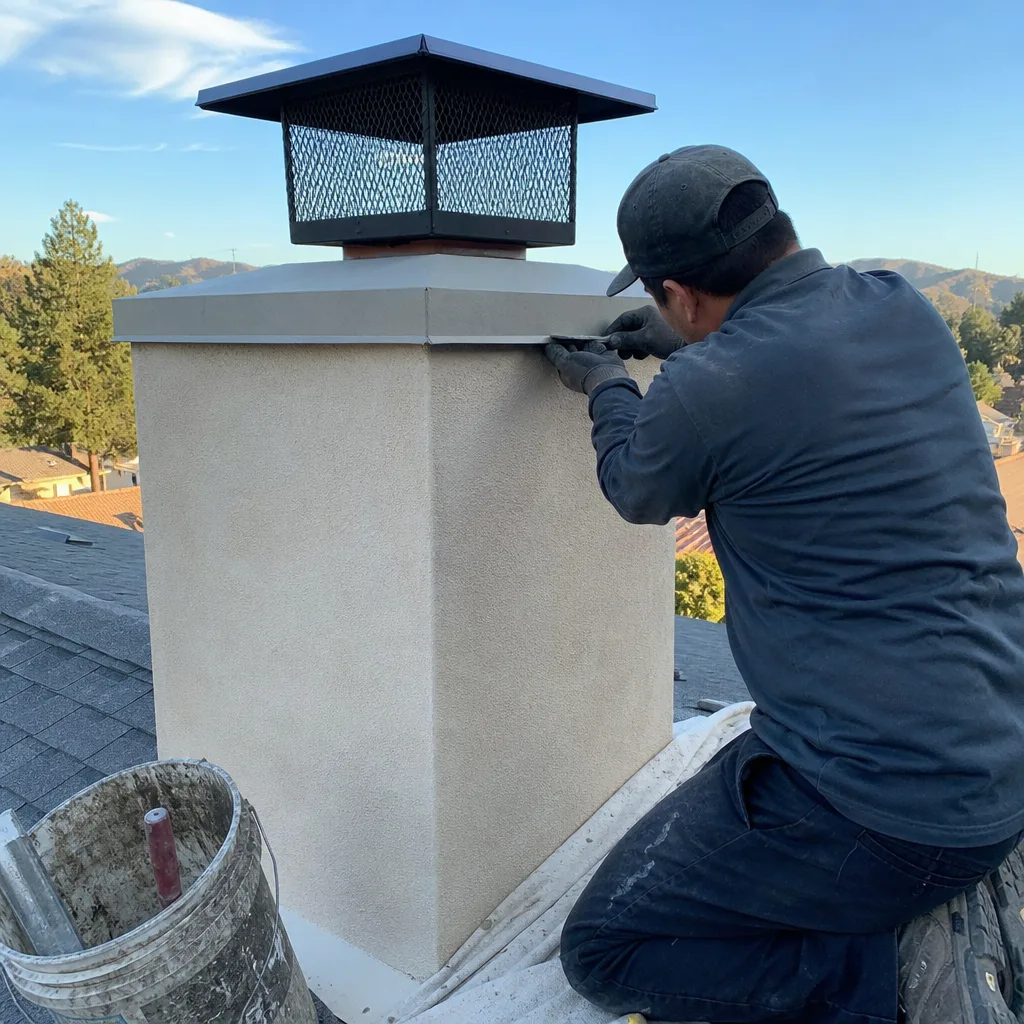 After