
Last updated November 2, 2026
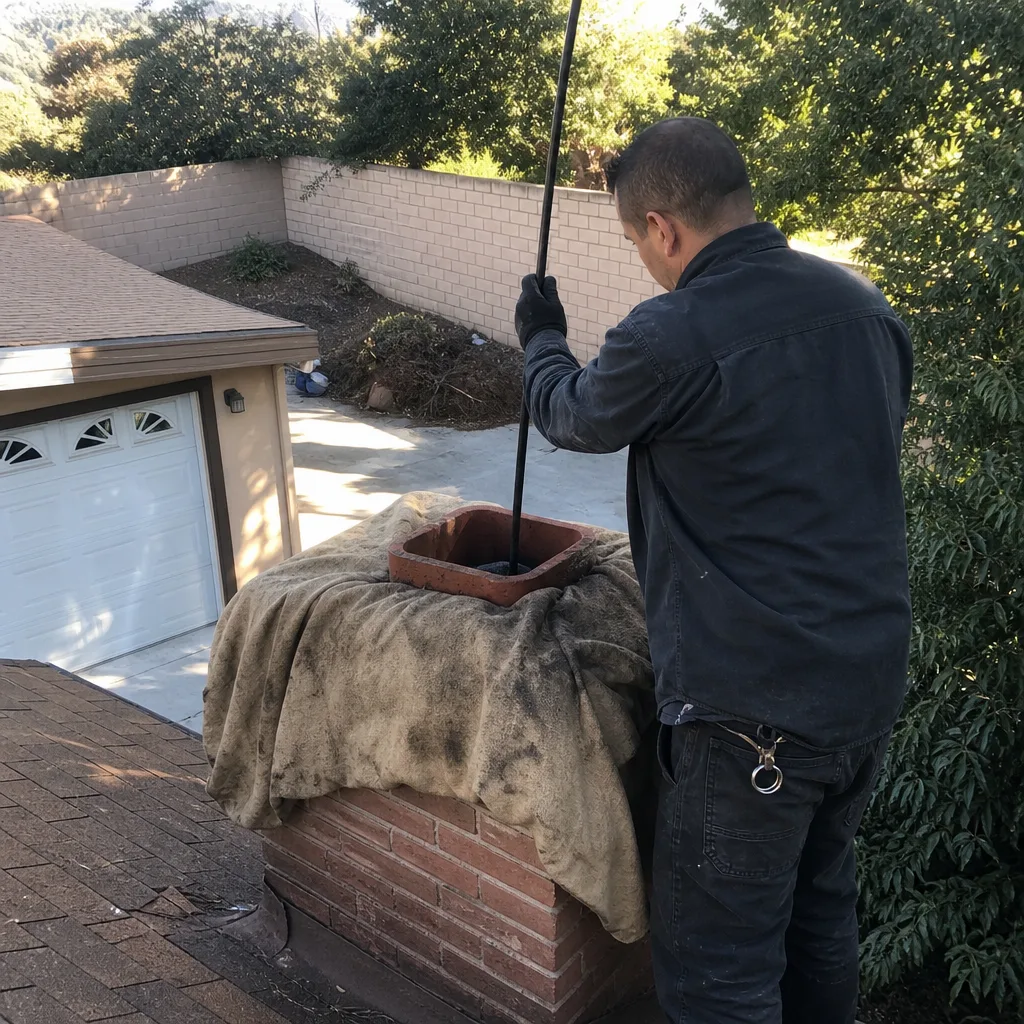
 Sweep & inspection
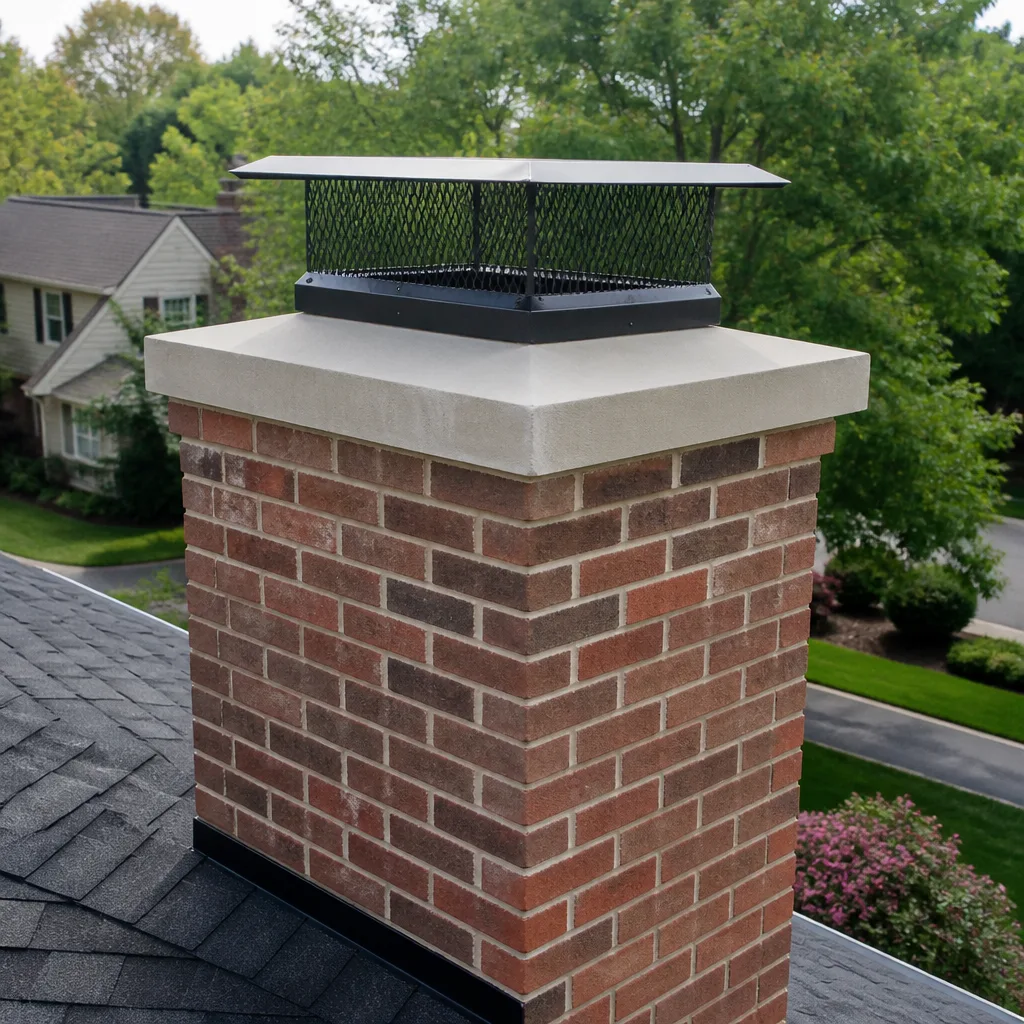 Caps & crowns
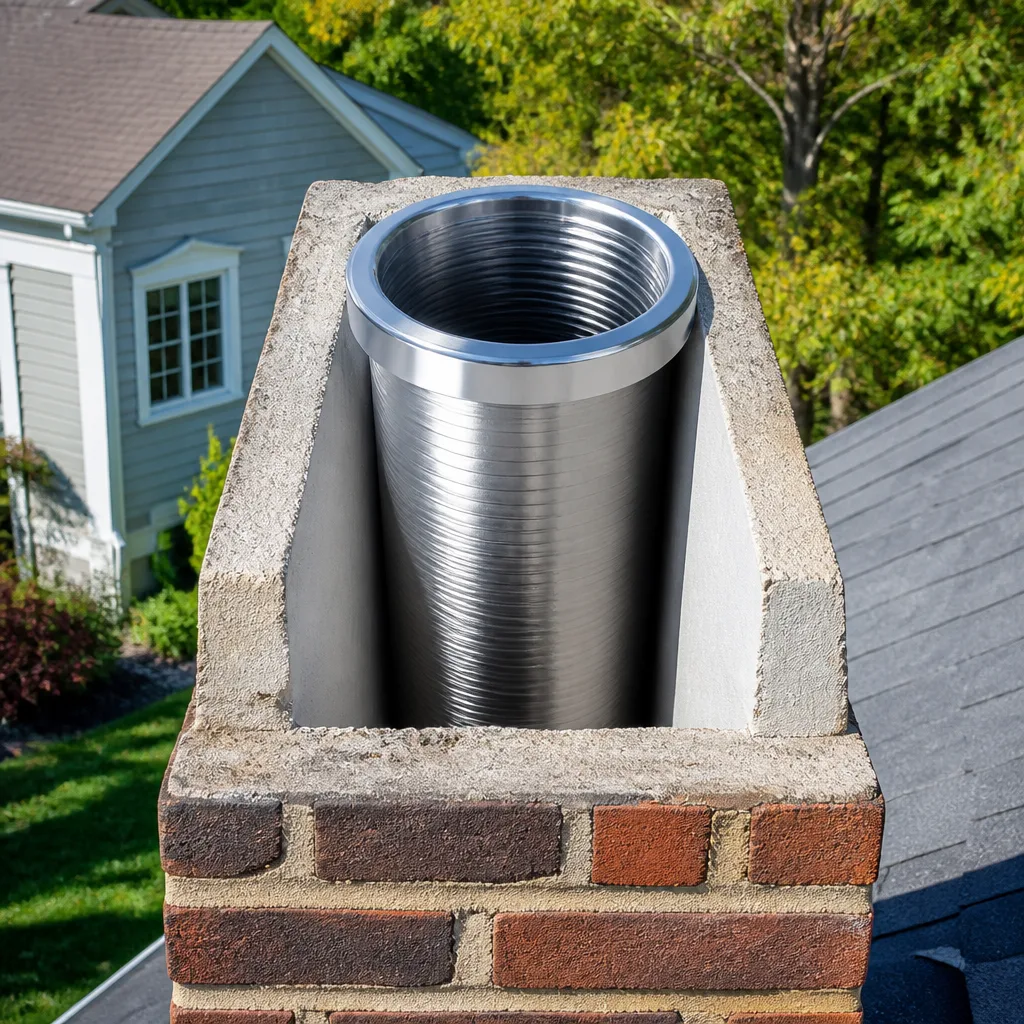 Flue relining
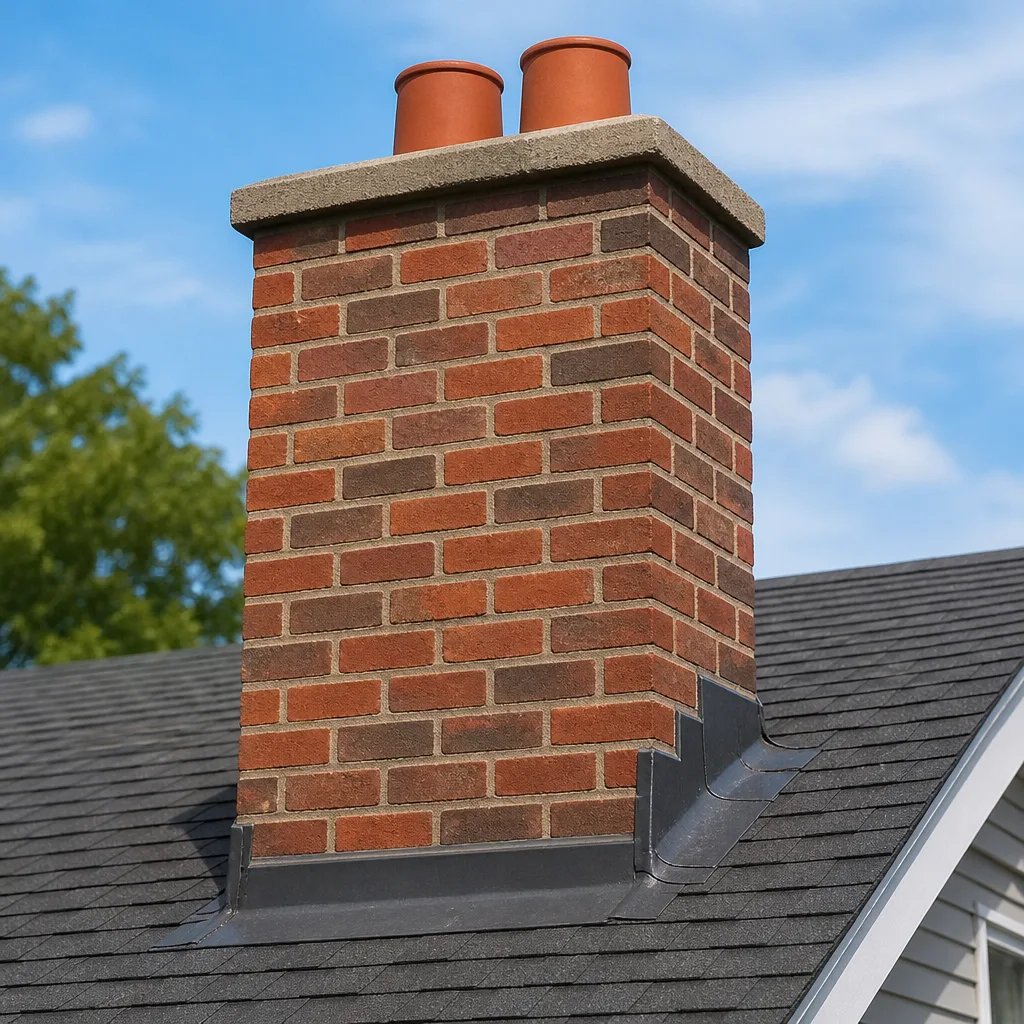 Masonry repair
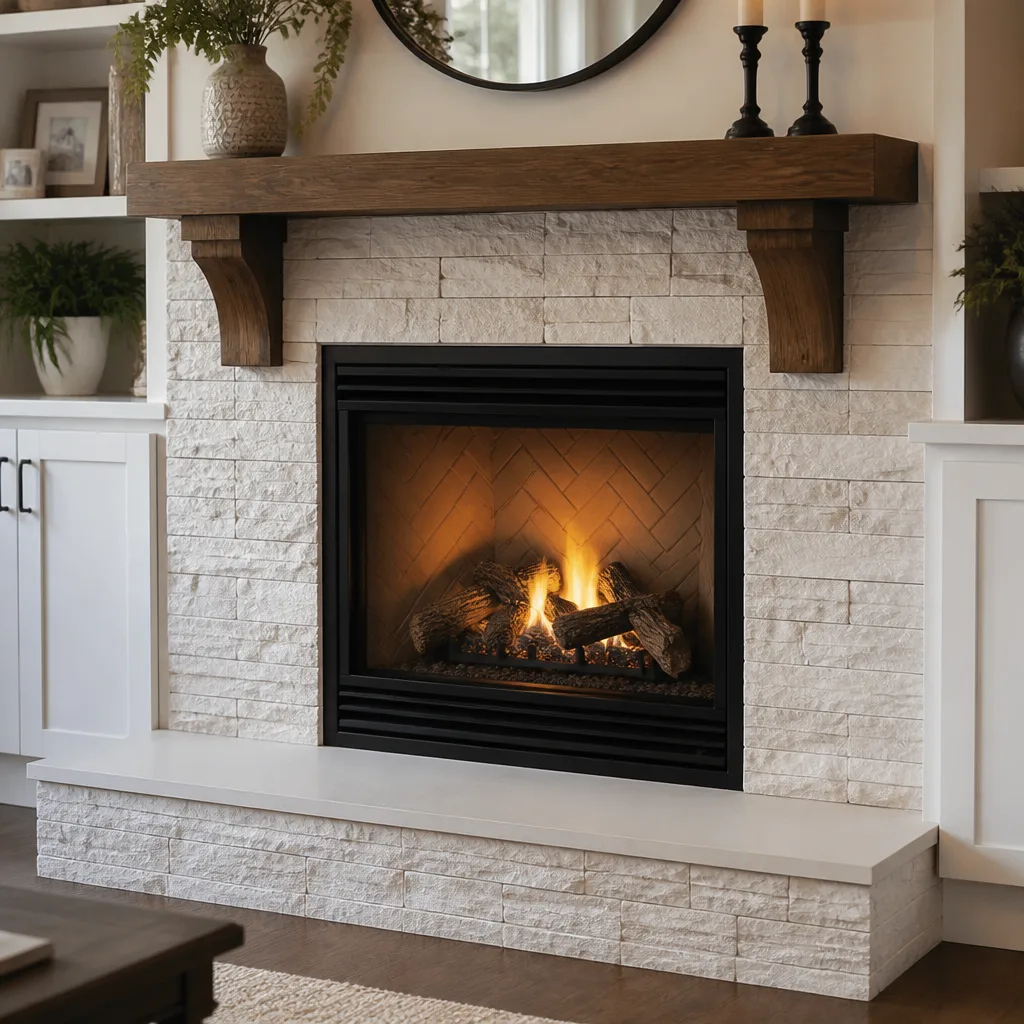 Gas fireplace service
Level 1 sweep and inspection to the NFPA 211 annual standard - flue, crown, cap, and flashing checked and photographed
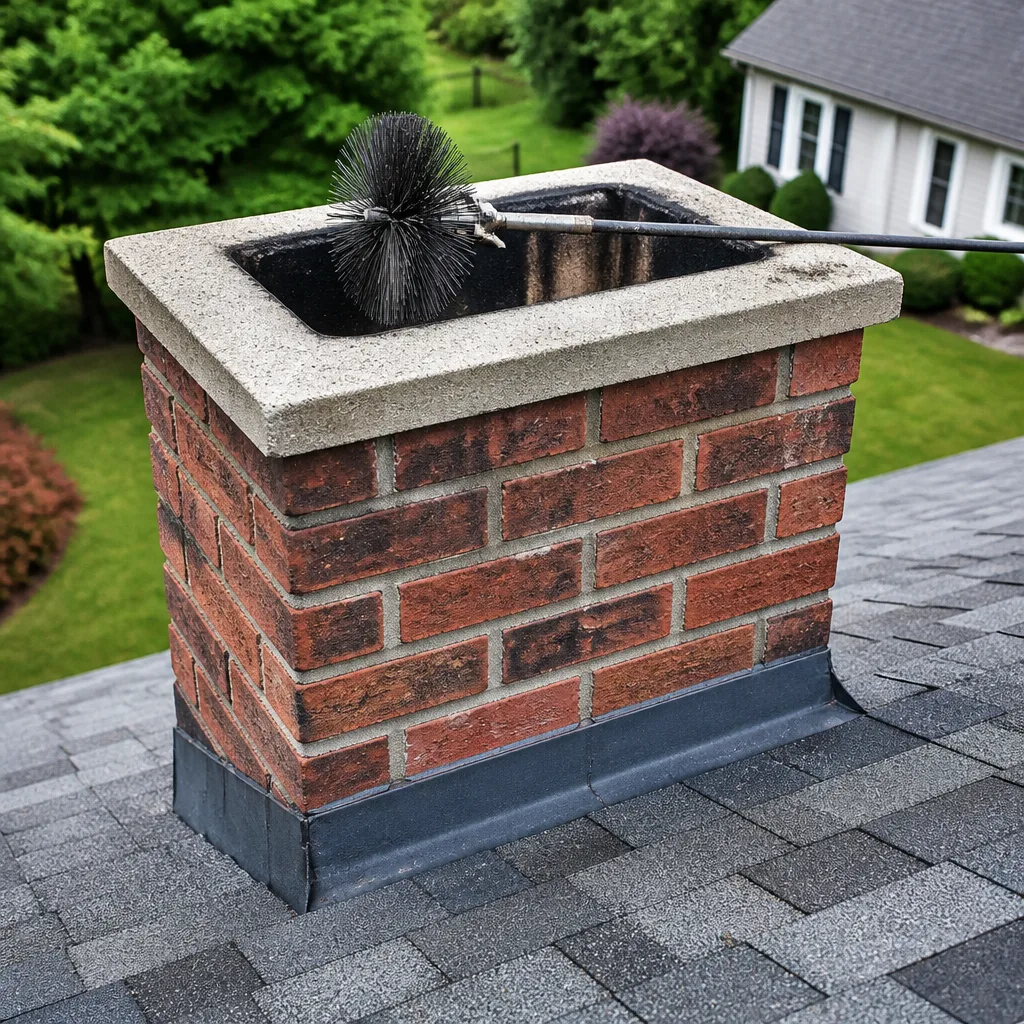
Chimney sweep logs do not sweep chimneys. They loosen some creosote - which then falls where a brush and vacuum still have to collect it.
Chimney Cleaning Emergency Preparedness Guide for Sylmar Homes
During the 2019 Saddleridge Fire, embers traveled more than a mile and entered homes through uncapped or damaged chimneys. A $40 spark arrestor cap and an annual inspection are the two things that most directly reduce that specific risk, and most Sylmar homeowners have neither confirmed nor checked either. This guide covers the three chimney-specific emergency scenarios Sylmar faces, the exact response steps for each, and how to build a pre-season documentation file that gives you and the fire department what you need before smoke ever appears on the horizon.
Styles & brands we work with
- Sweep & inspection
- Caps & crowns
- Flue relining
- Masonry repair
- Gas fireplace service
Quick Answer
Chimney emergency preparedness for Sylmar homes means confirming your spark arrestor cap is intact before fire season, knowing the shut-down sequence if a chimney fire ignites, and having a post-event inspection protocol that catches hidden flue damage. The three emergencies you need to plan for are active chimney fires, ember intrusion during wildfire events, and carbon monoxide spillage from a damaged flue. Most of these risks are eliminated with an annual chimney sweep and inspection, plus a working spark arrestor cap – see our Chimney Sweep Maintenance Checklist for Sylmar Homeowners for what to schedule and when.
Table of Contents
- Why Sylmar’s Wildfire Context Changes Chimney Risk
- The Three Chimney Emergencies Sylmar Homes Actually Face
- Active Chimney Fire: What to Do in the First 60 Seconds
- Ember Intrusion During Wildfire Events: The Overlooked Vector
- Carbon Monoxide Spillage: The Silent Emergency
- Pre-Season Vulnerability Assessment: What to Check Before Fire Season
- Your Pre-Season Documentation File: What Responders and Adjusters Need
- Post-Emergency Inspection Protocol: After Fire, Before You Burn Again
- Common Mistakes to Avoid
- When to Call a Professional
- Frequently Asked Questions
- The Bottom Line
Why Sylmar’s Wildfire Context Changes Chimney Risk
Sylmar sits in a topography that funnels wind. The canyons of the San Gabriel foothills act as natural wind tunnels, and when Santa Ana conditions kick in, embers don’t drift, they travel. A chimney that performs fine during a calm winter evening becomes a completely different structure when 40 mph winds are pushing fire brands across Olive View Medical Center’s ridgeline toward your roofline.
The chimney system was never designed to be an ember entry point, but it becomes one when components fail. Here’s what changes under wildfire conditions in Sylmar specifically:
- Wind-driven embers seek vertical surfaces. Your roof and chimney crown catch embers that flat ground never touches. A cracked chimney crown or missing mortar joint becomes an ember trap.
- Spark arrestors are the single highest-value component. A spark arrestor is a metal mesh screen that covers the flue opening. It allows smoke out while blocking embers from flying up and embers from dropping in. In Sylmar’s wildfire season, its value exceeds every other chimney component combined.
- Uncapped chimneys are ember vacuums. An uncapped flue creates negative pressure that actively draws airborne embers toward the firebox. We’ve seen fireplaces in Sylmar neighborhoods near Veterans Park with ember debris in the firebox after wind events, even when no nearby fire was burning.
- Creosote lowers the ignition threshold. A chimney that hasn’t been swept carries creosote, a highly combustible byproduct of wood burning. An ember that enters a dirty flue meets fuel waiting to burn. An ember that enters a clean flue meets masonry and falls inert.
Sylmar homeowners who treat wildfire season as a separate category from chimney maintenance season are missing the connection. The Chimney Sweep in Sylmar service that protects your home in January with creosote removal is the same service that protects your home in October by confirming spark arrestor integrity before the first Santa Ana event.
The Three Chimney Emergencies Sylmar Homes Actually Face
Most chimney guides talk about chimney fires as if they’re the only problem. Sylmar homeowners face three distinct emergency categories, and each requires a different response. Understanding the difference between these three is the foundation of preparedness.
1. Active Chimney Fire
Creosote inside the flue ignites. You hear a loud roaring or crackling sound, like a freight train inside the chimney. Flames may be visible at the chimney top. Thick smoke billows from the flue. This is a structural emergency, and the response is time-critical, not optional.
2. Ember Intrusion During Wildfire Events
A nearby fire, or a distant one with strong winds, pushes embers toward your home. An uncapped or under-screened chimney allows embers into the firebox or the flue cavity. You may not notice immediately. The ember can smolder in creosote for hours before igniting, which means the emergency window is not just when the fire is nearby, it’s the 24 to 48 hours after – exactly why knowing Chimney Cleaning Warning Signs: A Sylmar Homeowner’s Reference Guide matters.
3. Carbon Monoxide Spillage from a Damaged Flue
A cracked flue liner, blocked flue, or deteriorating mortar joints prevent combustion gases from exiting properly. Carbon monoxide spills into the living space instead of venting outside. This one has no smoke, no flames, no dramatic cue. It’s the emergency you detect with a detector or not at all. Sylmar homes with older chimneys, typically those built before the 1980s, are at elevated risk because clay tile liners crack with thermal cycling.
Each emergency has its own response protocol. The next three sections walk through each one step by step.
Active Chimney Fire: What to Do in the First 60 Seconds
If you suspect an active chimney fire in a Sylmar home, your first instinct might be to open the damper to let more air in and “burn it out.” That instinct is wrong. It’s dangerous. Here’s the correct sequence.
- Close the damper if you can reach it safely. Closing the damper cuts the oxygen supply to the fire. This is the single most effective immediate action. Do not reach into a hot firebox with bare hands. If the damper control is hot or unreachable, skip to step 2.
- Close the fireplace doors or glass screens. This further starves the fire. If you have a wood stove, close the air intake vents completely.
- Evacuate everyone from the home. Do not wait to see if the fire dies down. A chimney fire can breach the flue and spread to the attic or roof structure in minutes. Get out.
- Call 911 from outside the home. Tell the dispatcher it’s a chimney fire, not just a house fire. This helps the responding crew understand the fire’s location and behavior.
- Do not attempt to extinguish the fire with water. Water in a hot flue can shatter the liner and spread the fire. It can also create a steam explosion in a confined space.
- After the fire department clears the scene, do not use the chimney again until it’s been professionally inspected. Even a small chimney fire can crack flue tiles, warp the damper, and compromise mortar joints. Chimney Repair in Sylmar requires a camera inspection to evaluate what’s broken before any burn.
One thing most guides don’t tell you: chimney fires are often not loud. A slow-burning chimney fire can smolder in accumulated creosote with little more than an odd smell and a faint crackling sound. If something feels wrong, treat it as an emergency. The cost of a false alarm is a fire department visit. The cost of an ignored chimney fire is a roof fire.
Ember Intrusion During Wildfire Events: The Overlooked Vector
The Saddleridge Fire taught Los Angeles a lesson most people still haven’t absorbed: embers, not flame fronts, are the primary cause of structure ignition. When embers enter a chimney, the ignition point is inside your home, beyond the reach of any exterior firefighting.
Here’s what Sylmar homeowners need to understand about ember intrusion specifically:
- Spark arrestor caps are your primary defense. A properly installed spark arrestor cap covers the flue opening with mesh fine enough to block embers while allowing adequate draft. The mesh standard is specific: it must block a 1/2-inch sphere per most building codes, but tighter mesh offers better ember protection. If your cap is missing, bent, or rusted through, you have no ember defense.
- Cracked crowns matter more than you think. The chimney crown is the concrete cap that seals the top of the masonry. A cracked crown allows embers to bypass the flue entirely and drop into the chase cavity or settle against combustible framing. In Sylmar’s dry season, that ember has no moisture barrier to slow it down.
- Fireplace doors close during red flag warnings. If you have glass fireplace doors, keep them closed whenever a red flag warning is active, even if you’re not burning. They’re a second barrier if an ember makes it past the cap.
After a wildfire event passes near Sylmar, even if your home was never under direct threat, do a visual check of your fireplace. Look for debris in the firebox, a burnt smell near the hearth, or soot marks around the chimney exterior. These are signs embers entered your system. The professional evaluation that follows is not a luxury. It’s the difference between catching a smolderer early and discovering a fire in your attic at 3am.
Carbon Monoxide Spillage: The Silent Emergency
Carbon monoxide from a damaged flue doesn’t announce itself. It has no smell, no color, no sound. In a Sylmar winter, with windows closed and a fire burning, a cracked liner can create a CO concentration in the living space that rises hour by hour. People mistake the early symptoms for the flu: headache, fatigue, nausea.
The failure points that cause CO spillage include:
- Cracked clay tile liners. In older Sylmar chimneys, clay tiles are the standard liner. Each heating cycle expands the tile, and each cooling cycle contracts it. Over decades, tiles crack. The chimney might look fine from the outside. The cracks are only visible with a camera inspection.
- Deteriorated mortar joints between tiles. The joints fail before the tiles do. Combustion gases leak through the joints into the chimney cavity and can find their way into wall spaces.
- Blocked flues. Bird nests, squirrel debris, and accumulated creosote all restrict draft. When draft falls, combustion gases back up into the home. A chimney cap with proper screening prevents most animal intrusions.
Your CO detectors are the last line of defense, not the first. If your detector alarms and you’ve been burning, evacuate immediately and call 911. Do not ventilate the house yourself and go back in. Let the fire department test the air. Once cleared, call a chimney professional before you burn again. The fix might be as simple as a sweep and cap replacement, or it might require relining. At Chimney Sweep Sylmar, we work with DuraFlex flexible liner systems when a full relining job is needed, and we offer HeatShield flue resurfacing when a deteriorating liner is caught early enough to treat without full replacement. Both are structural repairs most sweep-only companies in Sylmar don’t offer, and both address the root cause of CO spillage rather than just the symptom.
If your CO detector is more than seven years old, replace it before burn season. If you don’t have one on every level of the home plus one outside sleeping areas, correct that now. Batteries are cheaper than hospital stays.
Pre-Season Vulnerability Assessment: What to Check Before Fire Season
You don’t need to climb onto your roof to assess most chimney vulnerability. Here’s a self-assessment you can do from the ground, plus what needs a professional eye.
From the Ground
- Look at the cap. You should see a metal cap covering the flue opening. If you see an open hole, you have no ember defense. If the cap looks tilted, rusted, or bent, it’s compromised.
- Look at the crown. The concrete surface should be smooth and continuous. Cracks, chips, or exposed brick edges are problems.
- Look at the flashing. The metal where chimney meets roof should be tight and rust-free. Gaps here let water in, which accelerates liner damage.
- Look at the exterior masonry. Spalling brick faces, efflorescence (white chalky buildup), or crumbling mortar mean moisture has entered and the structure is degrading.
With a Professional
- Camera inspection of the flue interior. This is the only way to see creosote accumulation, cracked liners, and failed mortar joints in the section you can’t reach from either end. We inspect before we sweep, and repair what we find.
- Smoke test or draft test. Confirms the chimney pulls properly at operating temperature. A lazy draft isn’t just inefficient, it’s a CO spillage risk.
- Spark arrestor mesh sizing. The mesh has to balance ember protection against adequate airflow. Too fine and it clogs with creosote. Too coarse and embers pass through. This is a spec-level detail most homeowners never check because they don’t know to ask.
Do this assessment in September, before the first Santa Ana event of the season. Sylmar’s burn season overlaps with fire season, and the overlap means you want a clean, capped, inspected chimney by early October at the latest.
Your Pre-Season Documentation File: What Responders and Adjusters Need
When a fire event threatens or damages a Sylmar home, the documentation you have in hand determines how fast you can act. Building this file takes 30 minutes and saves days of scrambling later. Here’s what to include, and why each item matters.
- Most recent chimney inspection report, with date and findings. Insurance adjusters want to see professional maintenance records. A chimney sweep report dated within the last 12 months is strong evidence of routine care. If repairs were recommended and completed, include that documentation too.
- Photos of the chimney from all four angles, taken at least once per year. Dated photos establish a visual baseline. If a fire event damages your chimney, before-and-after comparison makes the claim process cleaner. Store these in the cloud, not just on your phone.
- Contractor contact information, saved in your phone and in the physical file. During an emergency, you don’t want to be searching for a chimney professional’s number. Chimney Sweep Sylmar home documents should include phone, email, and service scope notes.
- Your chimney service history: dates, work performed, materials used. If you had a DuraFlex liner installed in 2019, or HeatShield resurfacing in 2021, that changes what a post-event inspection looks for. A documented history prevents unnecessary work and accelerates the right work.
- Insurance policy numbers and a claims contact. Boring but essential. When you need to file, you’ll want this accessible without digging through paperwork while dealing with the stress of a fire event.
- A written note on any known chimney issues you haven’t yet repaired. If you know a crack exists in the crown but haven’t fixed it, write it down. This helps professionals priorize and prevents discovery delays during a post-event inspection.
Keep this file in a place you can access quickly. A Google Drive folder shared with your household members, plus a printed copy in a fire-safe box. The goal: if you’re standing on your front lawn at midnight with smoke on the horizon, everything a professional or adjuster needs is 60 seconds away.
Post-Emergency Inspection Protocol: After Fire, Before You Burn Again
After a fire event, whether it was in your chimney or just in your neighborhood, the protocol is the same: assume nothing, verify everything. Here’s what must be professionally evaluated before the first burn of the season resumes.
If You Had a Chimney Fire
- Camera inspection of the full flue length. Chimney fires crack liners, warp dampers, and compromise mortar. What survived the fire may not survive the next burn. There is no way to determine this without seeing the flue interior.
- Damper function check. A warped damper either won’t open fully, won’t close fully, or won’t seal. Each creates a different hazard.
- Crown and cap inspection. Fire can crack the crown and distort the spark arrestor mesh. The ember defense system needs to be confirmed intact.
If Fire Was Near You
- Visual inspection for ember debris. Embers can land in the firebox or stove without igniting anything. That debris becomes kindling for your next intentional fire if it’s sitting on dry creosote.
- Mortar joint inspection. Intense heat from a nearby fire can thermally stress masonry even without direct flame contact. The joints that were fine in April may be cracked by November.
- Flue clearance check. A neighborhood fire changes what’s expected during your next chimney fire inspection. Clearances between your flue and combustible framing need to be confirmed.
At Chimney Sweep Sylmar, we work with professional-grade products from Olympia Chimney, Famco, and Copperfield for replacement components, and we source DuraFlex when a full liner replacement is warranted. That matters because repair work done with hardware-store substitutes doesn’t hold up under the thermal cycling a Sylmar chimney experiences. The materials matter, and home inspectors know the difference.
Common Mistakes to Avoid
- Opening the damper during a chimney fire. It feels wrong to close everything up when fire is present, but oxygen feeds fire. Closing the damper is the single highest-value action you can take. Opening it accelerates the burn.
- Assuming a spark arrestor is “good enough” because it was there when you bought the home. Spark arrestor mesh corrodes, clogs, and bends. If you haven’t checked it since moving in, you don’t know what you have. In Sylmar’s wind-driven ember environment, “probably fine” is not a defensible position.
- Waiting until the first cold snap to book a chimney sweep. Every chimney company in Sylmar gets slammed in November. Booking in September means you get the inspection when you’re not in a crisis. Waiting means you’re calling about an emergency in December or burning with an uninspected chimney because the schedule was full.
- Treating a sweep as a fire-cleansing ritual. A chimney sweep removes creosote. It does not repair cracked liners, replace missing caps, or fix flashing. If your inspection reveals needed repairs, skipping them because “we just got it swept” puts you back at emergency risk.
- Ignoring the dryer vent as a preparedness item. Sylmar homes use dryers year-round, and lint buildup is a leading cause of residential fires. Dryer Vent Cleaning in Sylmar should be part of your overall combustion-safety plan, not an afterthought.
- Relying on smoke detectors alone for carbon monoxide safety. Smoke detectors don’t detect CO. A CO detector is a separate device with a separate sensor. If you don’t have both, on every level of the home, you have a blind spot.
- Hesitating to call 911 when something feels wrong. In our experience, homeowners often wait too long because they’re worried about a false alarm. Fire departments would rather respond to a chimney fire that turned out to be small than a roof fire that started as a chimney fire 20 minutes earlier. Err on the side of the call.
When to Call a Professional
Any of these situations warrants a call to a Sylmar chimney specialist:
- You had a chimney fire, however small, and haven’t had a camera inspection since.
- Your chimney cap is missing, bent, or rusted through.
- You see cracks in the crown or spalling bricks on the exterior masonry.
- Your CO detector has alarmed while the fireplace or wood stove was in use.
- You haven’t had an annual sweep and inspection in the last 12 months.
- You’ve noticed a burnt smell near the fireplace even when nothing is burning.
Chimney Sweep Sylmar offers free estimates in Sylmar. Call (833) 620-0634 to schedule an inspection before burn season. We stock and install chimney products from DuraFlex, HeatShield, Gelco, Olympia Chimney, Famco, and Copperfield, and we bring a full-system perspective that goes beyond brush work. One call for sweep, repair, and dryer vent.
Frequently Asked Questions
A chimney sweep in Sylmar typically costs between $160 and $300 depending on the flue size, creosote accumulation, and whether the chimney services a fireplace or a wood stove. Sweeps that include a camera inspection run at the higher end of that range and are worth it. Call (833) 620-0634 for an exact quote. Estimates are free.
Not necessarily. A cracked liner requires repair, but the repair may be resurfacing rather than replacement. If the clay tile liner shows early-stage deterioration, HeatShield resurfacing can restore the flue surface without demolition. If the liner is structurally failed, a DuraFlex flexible liner system is the full replacement. A camera inspection tells you which scenario you’re in. Don’t accept a “needs a new liner” verdict from anyone who hasn’t shown you the camera footage.
The National Fire Protection Association recommends a chimney sweep and inspection at least once per year for chimneys that see regular use. In Sylmar, where burn season overlaps with wildfire season, the timing matters as much as the frequency. Book the annual sweep in September so the chimney is clean and capped before the first Santa Ana winds. If you burn more than three cords per season or burn green wood, book a mid-season sweep too.
Creosote builds up with every burn. The volume and type of creosote depends on what you burn, how hot you burn it, and how well your flue drafts. A flue that goes a year without cleaning accumulates enough creosote to sustain a chimney fire. The fire itself may be small, but the damage it causes, cracked liners, warped dampers, and compromised mortar joints, sets up the next failure. The risk compounds. A skipped year doesn’t reset the clock, it accelerates the deterioration. Call (833) 620-0634 to schedule a sweep that includes inspection. Don’t skip twice.
California building codes require spark arrestors on chimneys serving solid-fuel appliances in most of Los Angeles County, and Sylmar’s position in a designated wildfire hazard zone makes enforcement and relevance both stronger. More than the code requirement, the practical reality matters: an uncapped chimney is an ember entry point. The cap costs a fraction of what a fire event costs.
You can and should assess what’s visible from the ground: cap presence, crown cracks, flashing gaps, and masonry condition. What you can’t see, the flue interior, is where the dangerous failures occur. Creosote, cracked tiles, and failed mortar joints are only visible with a professional camera inspection. Self-assessment is the first step, not the last one. A complete chimney evaluation requires the right tools and the training to interpret what those tools reveal.
The Bottom Line
Chimney emergency preparedness in Sylmar comes down to three actions: confirm the spark arrestor cap is intact before fire season, maintain an annual sweep and camera inspection, and know the shut-down sequence if a chimney fire ignites. The documentation file takes 30 minutes to build and pays for itself in faster response time and smoother insurance claims. The mistake most homeowners make is treating chimney maintenance as a winter-only concern. In Sylmar, where the burn season and the fire season overlap, the chimney that’s ready for December is the chimney that’s protected through October. Build the file, check the cap, book the sweep. It’s a small investment against an outsized risk.
Written by the team at Chimney Sweep Sylmar, serving Sylmar since 2013.
See the difference
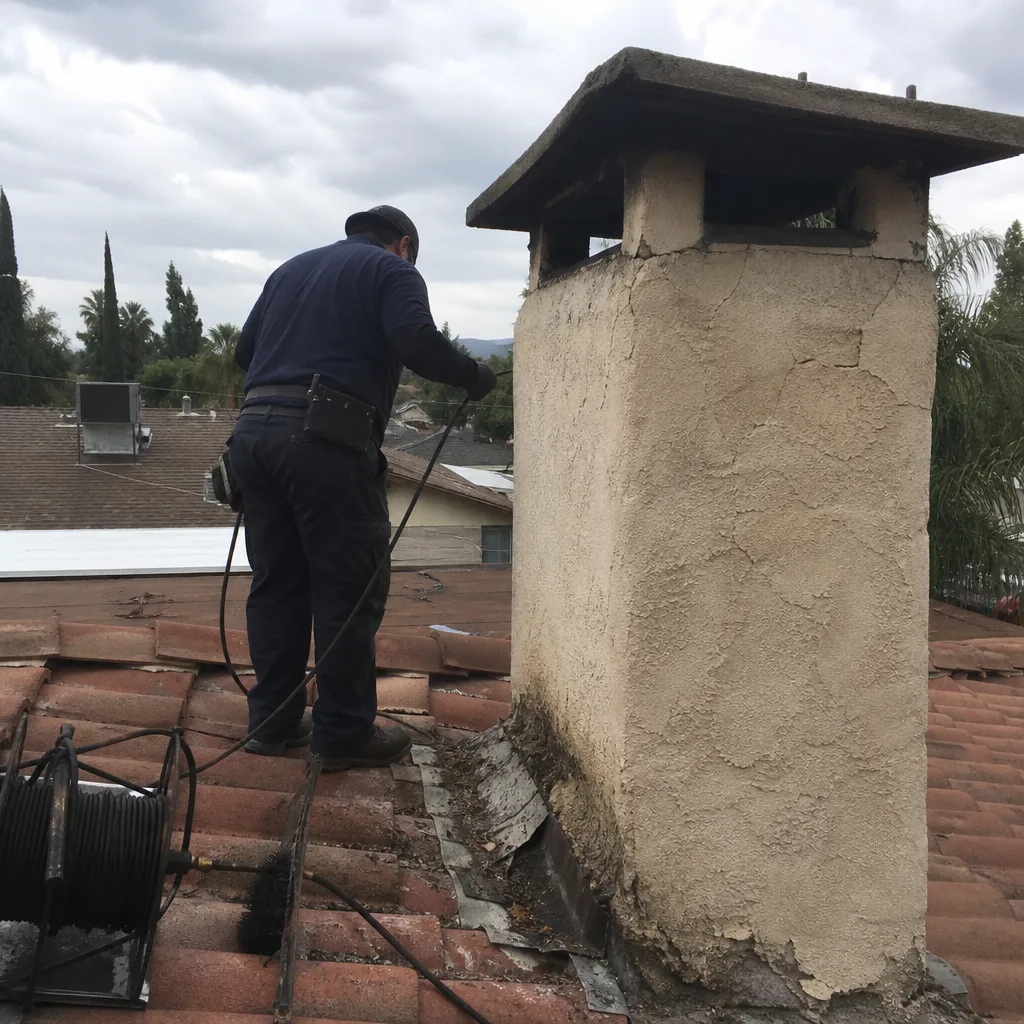 Before
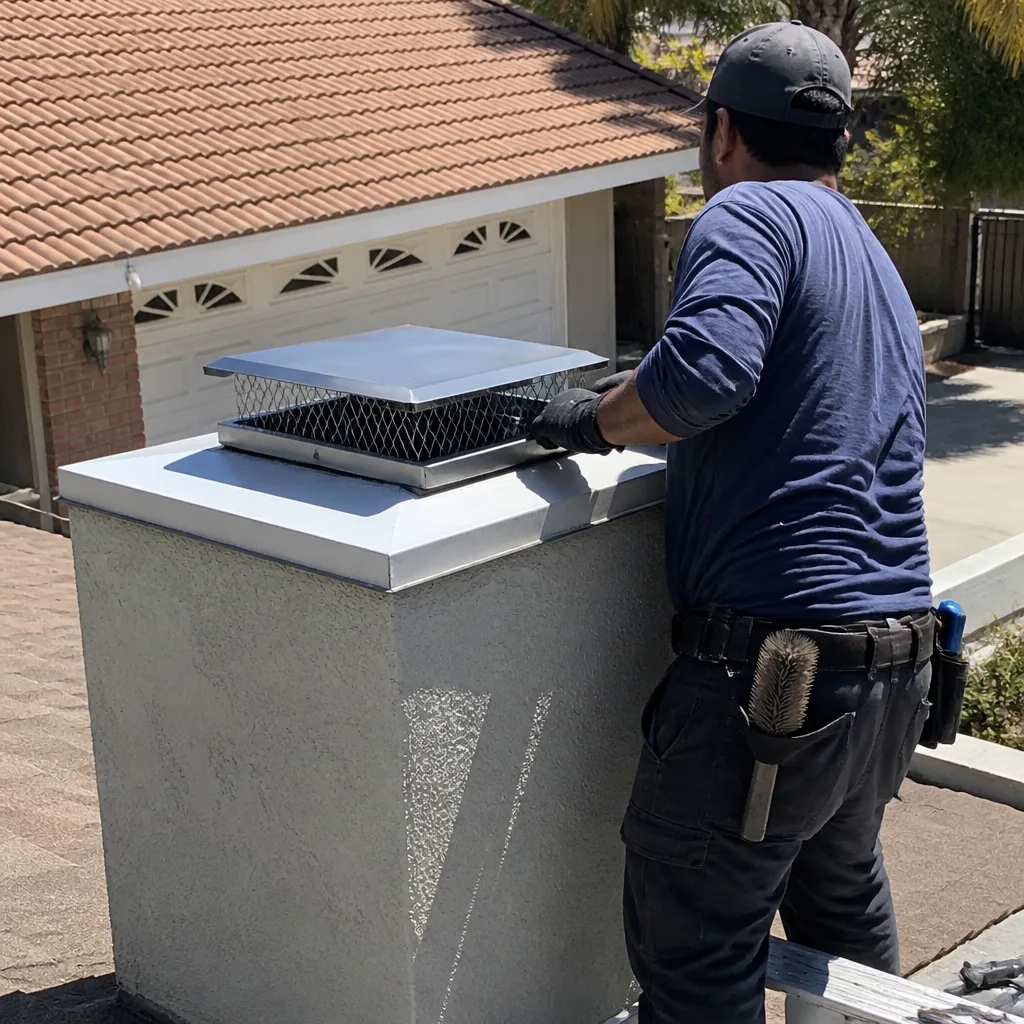 After
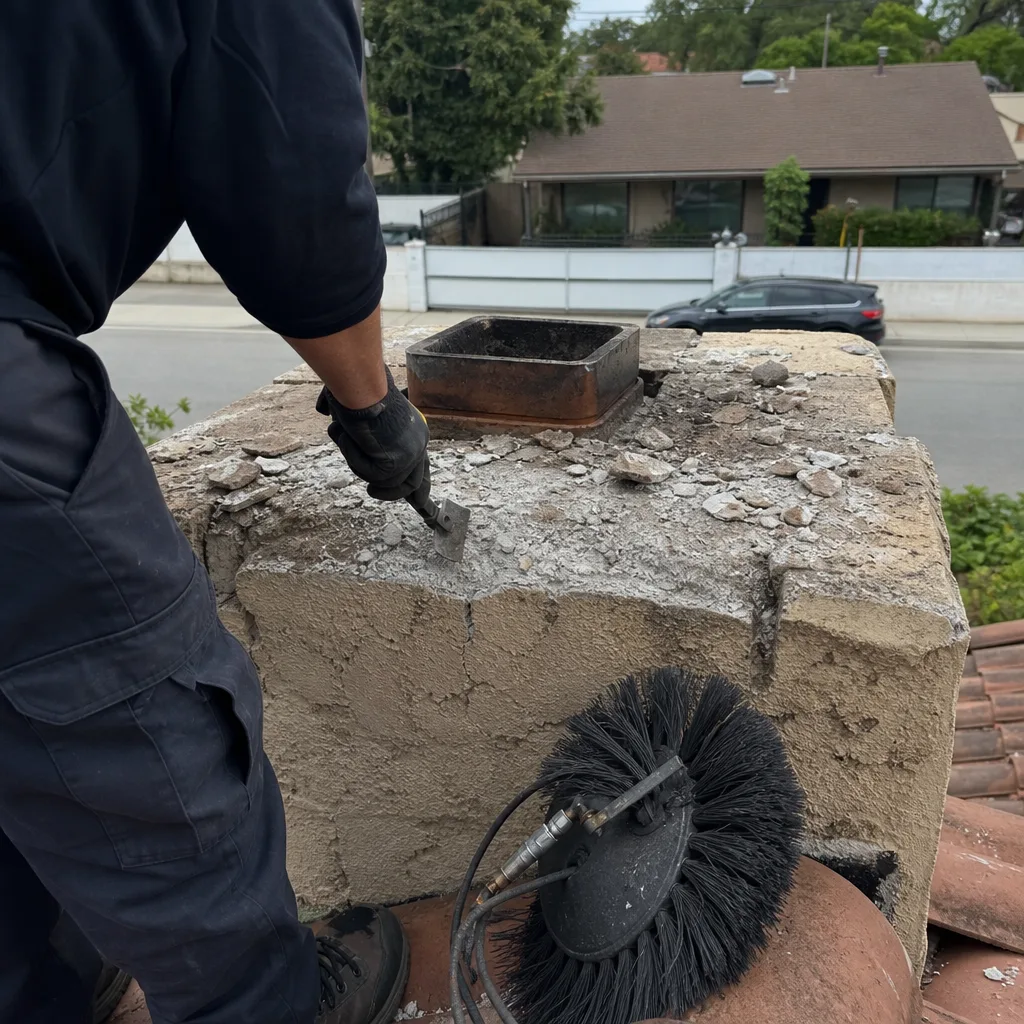 Before
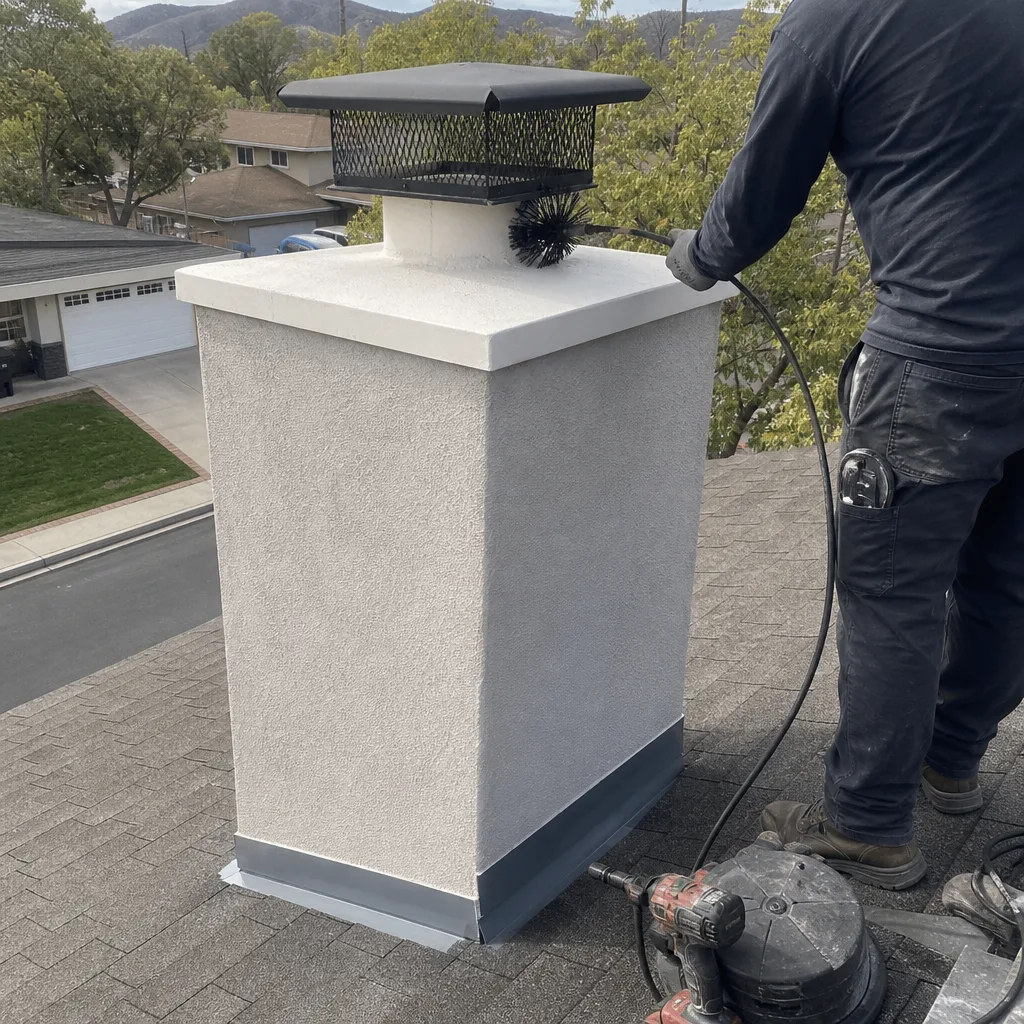 After
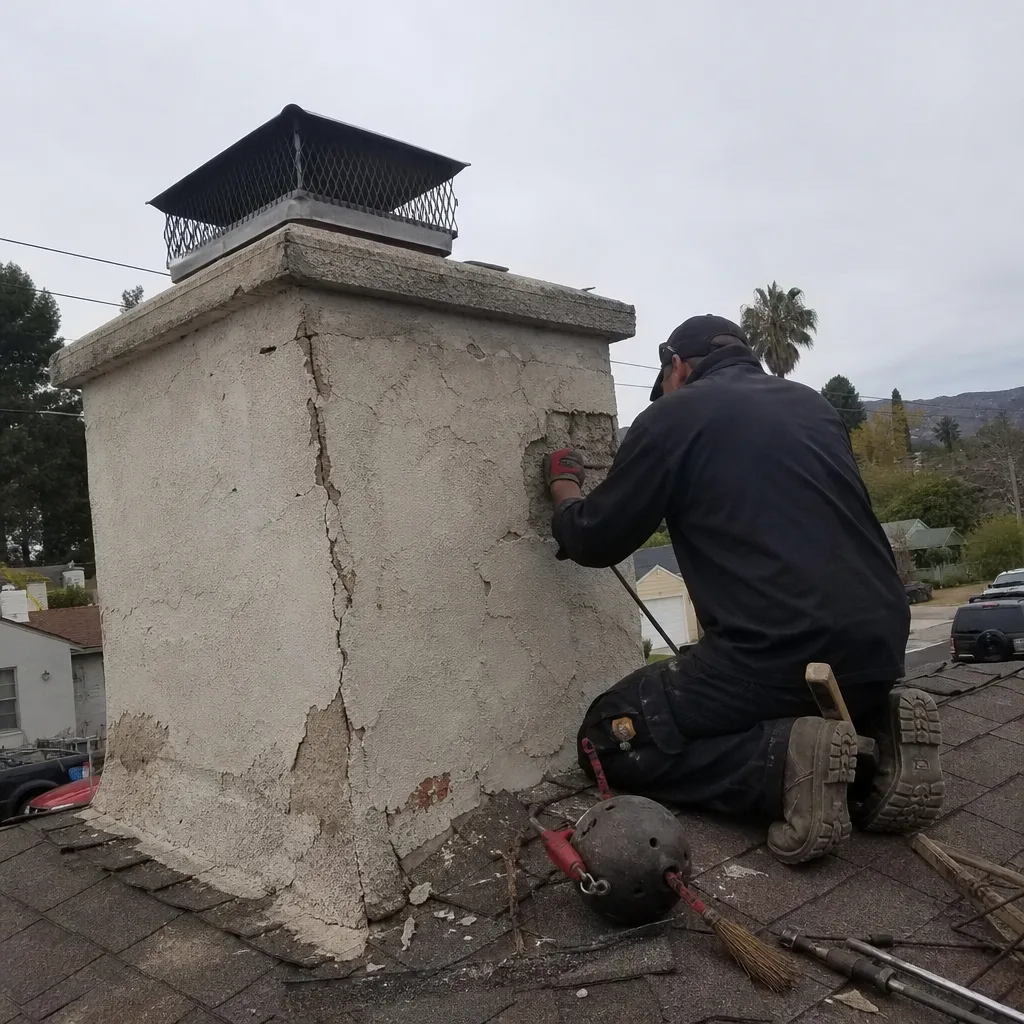 Before
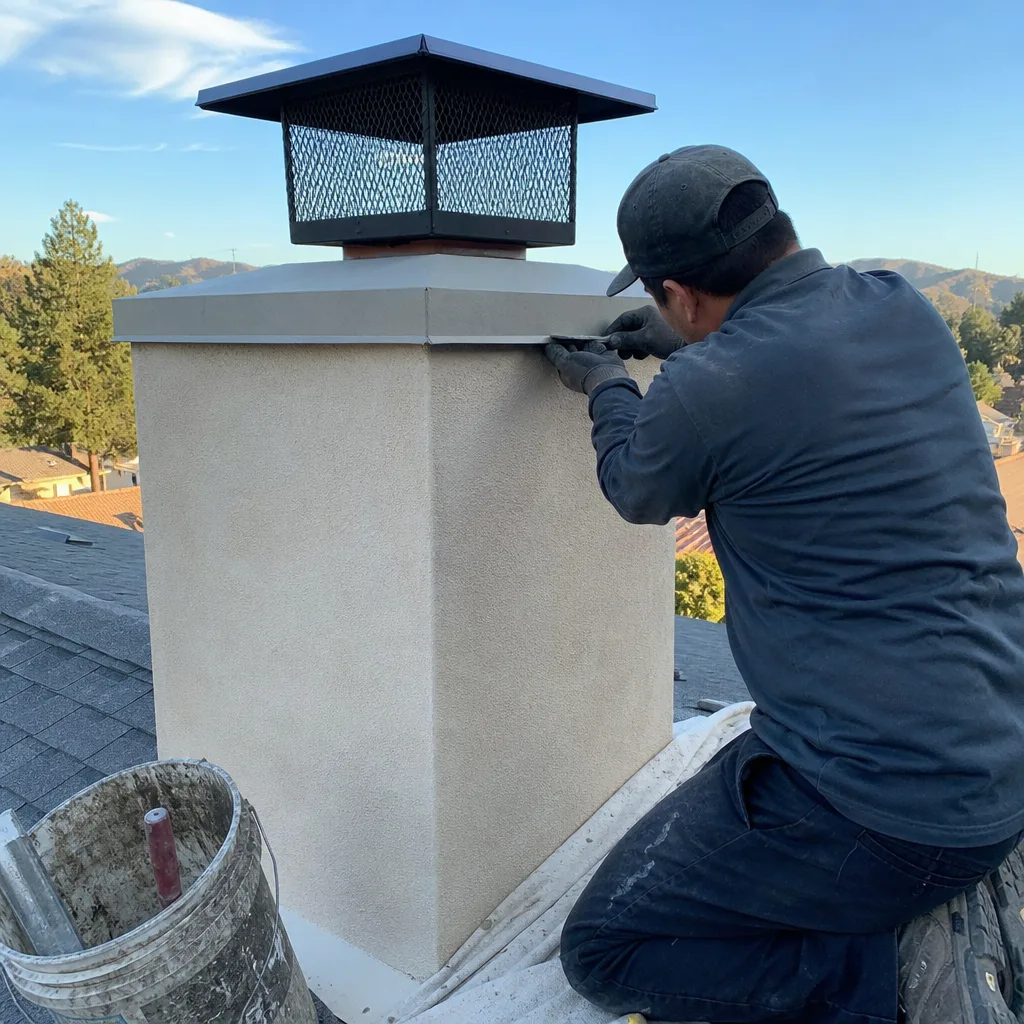 After